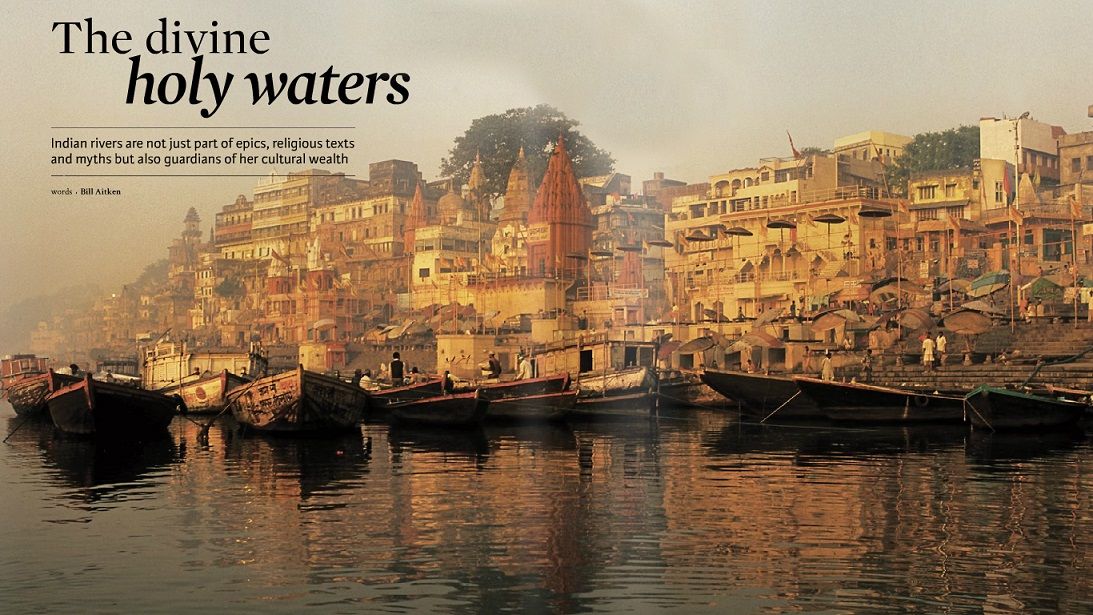
Indian Riveres are not just part of epics, religious texts and myths but also guardians of her cultural wealth. – Bill Aitken
From the beginning of recorded history, India has honoured her rivers, both for their beauty and their blessings. Seven of these rivers were singled out for recognition as goddesses, not for their hydrological profile but for the sacred and cultural associations surrounding them.
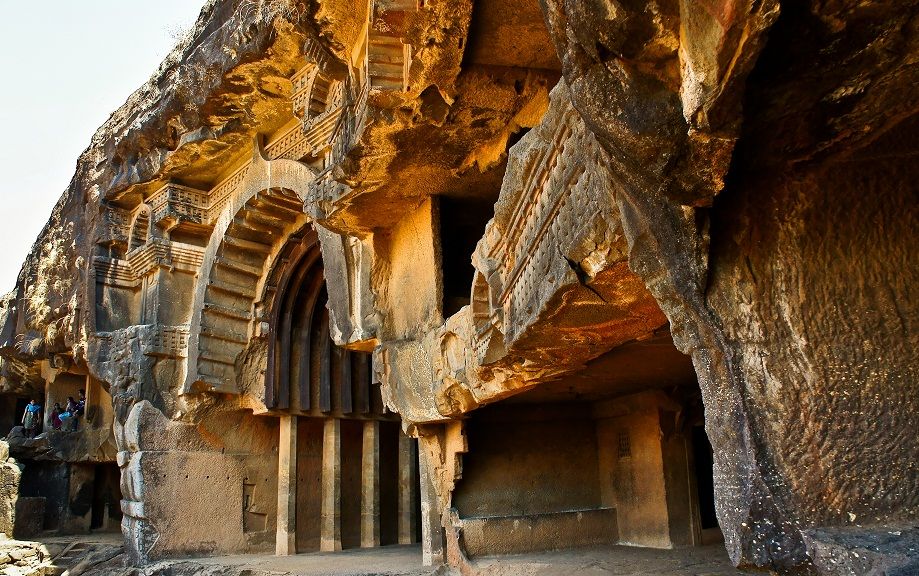
Bhaja Caves is a group of 22 rock-cut Buddhist caves located in Pune District in Maharashtra, India. The rock-cut caves are situated 120 m above the mountain with beautiful architecture, sculptures, and painting. These Buddhist shrines are believed to date back to as far back as the 2nd century BC, when the Theravadin (a branch of Buddhismthatadheres to Paliscripturesandthenontheisticideal of self-purification to nirvana) phase of Buddhism was still in its earliest stages. The time when the caves were chiseled coincided with the period when the Mauryans were still ruling over India. These caves are similar to the ones found in Ajanta and Karla
Americans, Doug Anderson, Iraqi war vet and bodyguard from New Jersey and Jimmy Smith, a professional MMA fighter and former maths teacher from Los Angeles, journey to the southern state of Kerala, India. Here, they are introduced to and undergo an intensive 5-day program in traditional and urban Kalarippayattu forms and techniques to prepare them for a weapon demonstration and full-contact hand-to-hand battle.
Kalaripayattu is the ancient martial art of South India based on the science of Yoga for its forms and exercises, and its medical treatments are based on the science of Ayurveda. It is practiced in Kerala and contiguous parts of Tamil Nadu and Karnataka as well as northeastern Sri Lanka and among the Malayalee community of Malaysia. Considered one of the oldest—if not the oldest—martial art, kalaripayattu is marked by high-flying acrobatics, fluid movements and weaponry.
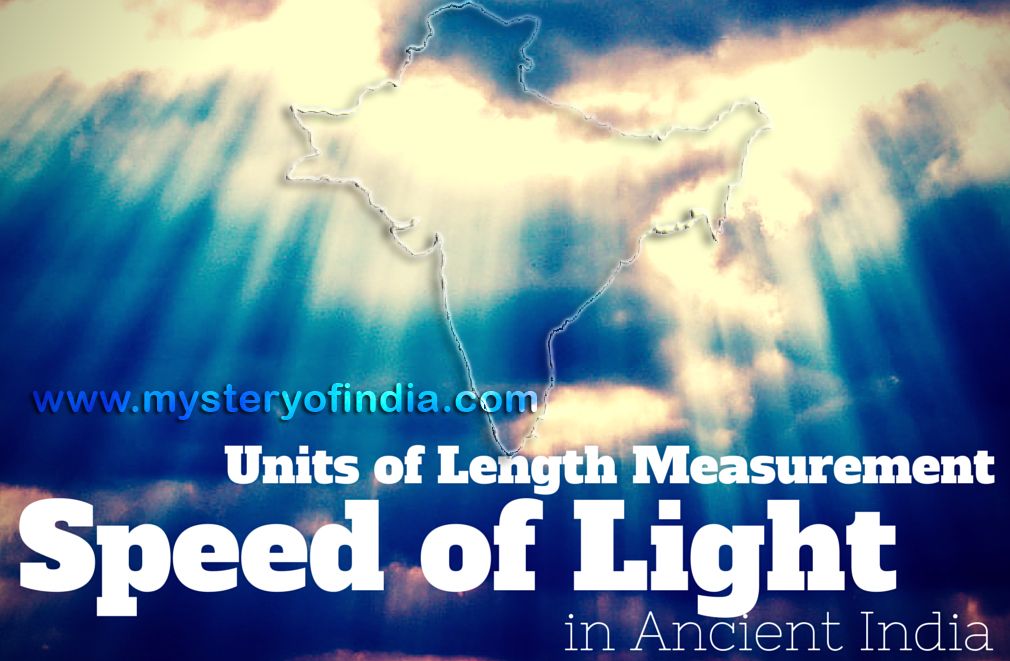
An exact value of the unit of length measurement, used in Indus Saraswati Civilization, has been determined from the precise scale discovered by Ernest Mackay in the 1930-31 season excavation at Mohenjo-daro, and further correlated with the present day units of measurement. It has then been calculated and shown that the speed of light as given in the Vedic literature, when referenced with this erstwhile unit of length measurement (used in Indus-Saraswati Civilization), works out to be precisely equal to the speed of light as per modern measurements. The present article is a step-wise process followed to unveil this equality.
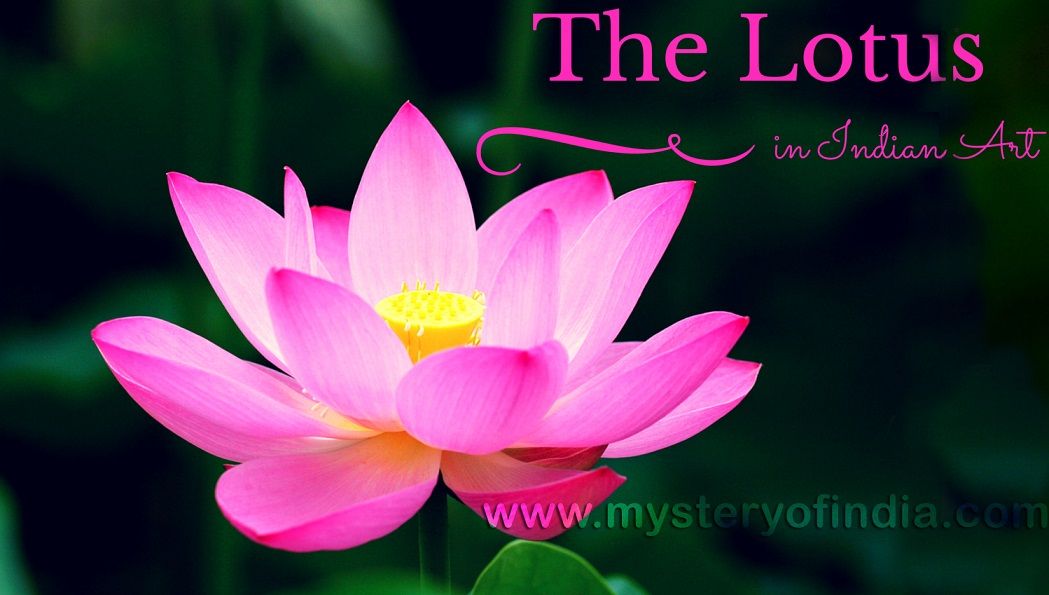
In the vast repertoire of Indian ornamental motifs, among the symbols and devices that recur in traditional art and architecture, the lotus occupies pride of place. Unlike western art, in which great emphasis is laid on photographic realism and the naturalistic treatment of human and animal forms, the main concerns in Indian art are profoundly spiritual and religious. Each and every object portrayed in Indian art has a religio-spiritual and symbolic significance.
Among the flowers, the lotus is the most preferred symbol, not because of its beautiful form, but because of its profound symbolism. We all know that this flower grows in muddy waters, but remains unaffected by it. Whether white, blue (nilotpala), rose pink or white and pink, its petals evoke the sentiments of purity in everybody’s mind. According to Hindu philosophy, human beings ought to live like a lotus flower in this wily, unscrupulous world, completely detached and pure hearted, untouched by evil forces.
Rising from the depths of water and expanding its petals and leaves on the surface, through its appearance, it gives proof of the life-supporting power of the all nourishing abyss. This is the reason why a lotus flower
in full bloom is used as the pedestal or throne support of all the deities — Hindu, Buddhist and Jain.
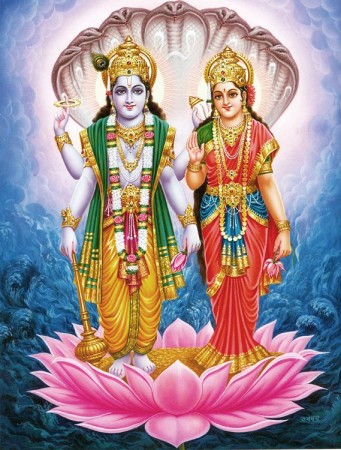
Vishnu and Lakshmi Standing on a Lotus Protected by Sheshnag
Invariably, they are shown seated or standing on a fully open lotus flower (padmu pitha) or on a double petalled
lotus (mahambuja). This has symbolic connotations: the deities are represented in their transcendental, subtle forms, i.e. the spiritual body which is weightless. If seated with one leg dangling down, then also the deity’s foot rests upon the lotus pedestal or cushion.
Numerous Hindu deities are shown holding a lotus flower, for example, Vishnuwho preserves the universe, is invariably holding the padmu (lotus) in one of his four hands. Vishnu’s spouse Lakshmi, the goddess of wealth, Shiva’s consort Parvati, Surya the Sun god, the Bodhisattva Padmapani — all these deities hold a lotus flower in their hands. In fact, even the personified sacred river goddesses Ganga and Yamuna always hold a long stemmed lotus, characterized by a long stalk, the undulations of which match the contours of their elegantly standing ‘S’-shaped bodies.
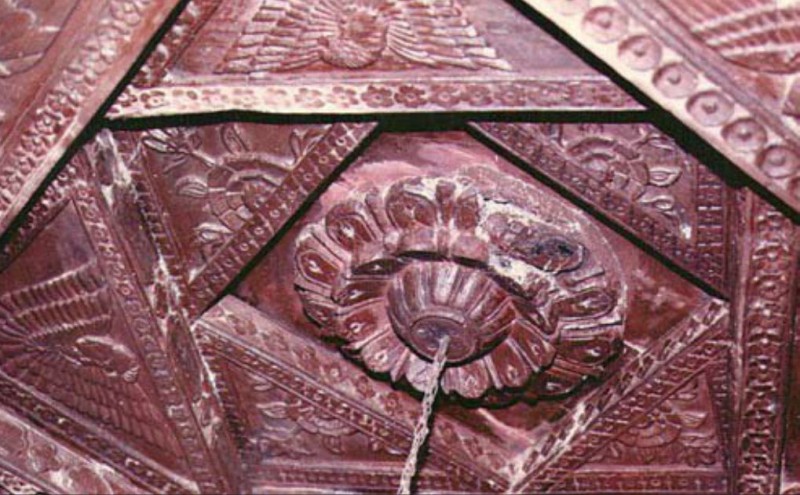
Wooden Lantern ceiling relived with lotus flowers and an immense lotus rosette in the centre, from the Mandapa ceiling of Chamunda Devi temple, Chamba (Himachal Pradesh), 17th century CE.
In Indian paintings, whether miniature ones or frescoes, the flowing waters of the river or a pond are always indicated by lotus flower and their broad leaves floating on their surfaces. This tradition has persisted from ancient times. In the world renowned Ajanta caves frescoes, the lotus pond is an alluring part of the landscape, and continued to be so in subsequent centuries till the dawn of 20th century.
All the schools of miniature painting that flourished in the royal courts all over India, more especially in Rajasthan and western Himalayas – the latter popularly known as the Pahari School – feature the river front as well as lotus pond in this manner. Lord Krishna and his exploits (lila) were the most popular themes painted with great verve on account of his romantic escapades. In Pahari miniature schools, not only Krishna but all the Hindu deities are featured as sporting pinnacled crowns surmounted by lotus buds.
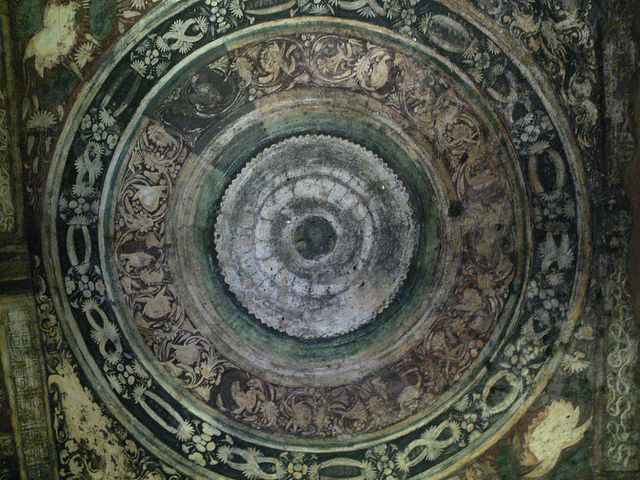
Painted ceiling from a Cave Temple at Ajanta enclosing lotus flowers within concentric rings of circular mandala, 5th Century CE.
From the period of Ajanta frescoes (2nd century BCE to approximately 7th century CE) onwards, the ceilings are painted with concentric circles enclosing a variety of motifs, the lotus flowers, buds and petals have been painted in mind baffling diversity; each one is different from the other, far more delicate and impressive.
The tradition of chiselling a large lotus rosette in full bloom carved in bold relief, with broad petals, spread out or at times curling in with great delicacy and finesse, is also very ancient. Such ceilings have survived in the rock—cut cave shrines at Ellora, in the 7th century CE timber and monolithic temples in Himachal Pradesh, in Bharmaur and Chhatrarhi in Chamba, at Masrur in Kangra district.
This tradition was not, however, confined to these regions alone, but existed all over India. The central component of the mandapa ceiling in the famed marble Jain temple at Mount Abu in Rajasthan, erected by Vimala Shah in the 11th century CE is a great masterpiece of artistic talent and ingenuity displayed by the local sculptors who produced an exquisitely carved pendulous, filigree-like lotus rosette, that haunts one long after one’s visit to these marvellous shrines. This tradition persisted all through the centuries down the ages. Diverse architectural components in the stone temples have been relieved with lotus rosettes in a variety of ways.
In both the timber and lithic temples, almost all over India, lotus rosettes apart, there are bands of exquisitely carved lotus petals running through the external and interior walls, as also ceilings, separating panels relieved with diverse episodes from the legends pertaining to the deities. The doors display an immense lotus rosette chiselled all over their surfaces. The undulating lotus volutes as well as broad lotus petals contribute to the rich effect of the door frames, the stone and brass uprights of the flaming, effulgent aureoles (prabhavalis) surrounding the icons of worship installed in the inner sanctums of the temples.
The heads of all the deities are also surrounded by a circular halo relieved with eight lotus petals, the numeral eight having a mystical connotation and significance. The undulating, meandering creepers formed by the long drawn out lotus stalk lend elegance and delicacy to many a temple doorway from Kashmir in the north to tip of south India, from Gujarat in east to Orissa in the west.
The tradition of carving immense lotus medallions of roundels enclosing bird and animal motifs harks back to the pre-Christian era when the famous Buddhist stupas were erected at Bharhut and Sanchi. This tradition is not confined to religious architecture alone. It enriches the residential houses of the ordinary natives as well, apart from their depiction on the walls of the royal palaces and forts.
When the Muslim and Mughal rulers got their palaces erected, the native craftsmen continued to use the same motifs to great advantage. In the twin Red Forts of Agra and Delhi, large lotus rosettes made of marble are embedded on the floors, from the centre of which the fountains spouted forth water to keep the palaces cool during the hot, sultry summers of north India.
This motif was not confined to architecture, religious or non—religious, alone; it was profusely used in all forms of crafts. Most embroidered fabrics feature the lotus mandalas in the centre, around which are sprinkled numerous motifs and figures.
In woven and printed textiles as well, in stone and wood carvings, in ornaments worn by women, the lotus rosettes are used with immense innovativeness and imagination. The multi-petalled lotus rosette offered the craftsmen working in all mediums plenty of scope to display their amazing talent, skill and ingenuity. This motif is found ubiquitously in its many splendoured form in all forms of crafts all over India.
Episode 3 in the French TV series “Civilisations” (2006)
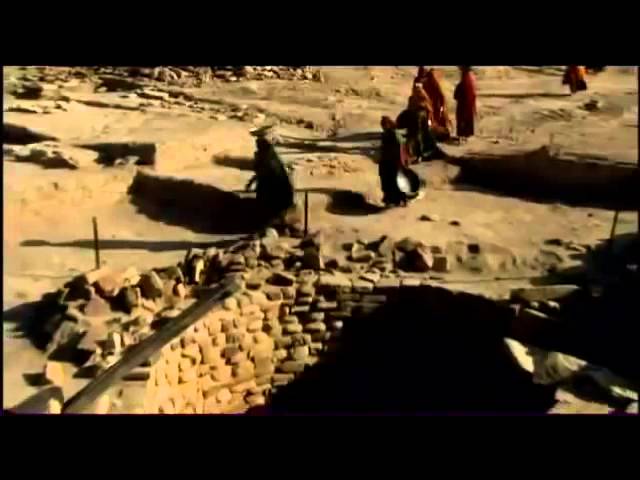
This documentary, made by NHK (Japan) and Canadian TV, looks at the early Indus Valley civilisation, focusing on one of the lesser known sites at Dholavira, in what is now Gujarat, in western India. A well-done professional introduction to the city of Dholavira and an explanation of the irrigation and aqueduct system, collection of rain water and water reservoirs, with a CGI reconstruction of the city by NTV.
The Indus Valley Civilisation is one of the three oldest urban civilisations, along with Egypt and Mesopotamia. Ancient India during the Harappan era had one of the largest populations in the ancient world, far greater than the Middle East or Europe. The culture dates back as far as 7000 BC. They were masters of civil engineering, having irrigation systems, drought and famine management strategies, hot and cold running water, flush toilets, waste water disposal and organized housing for over five million inhabitants.
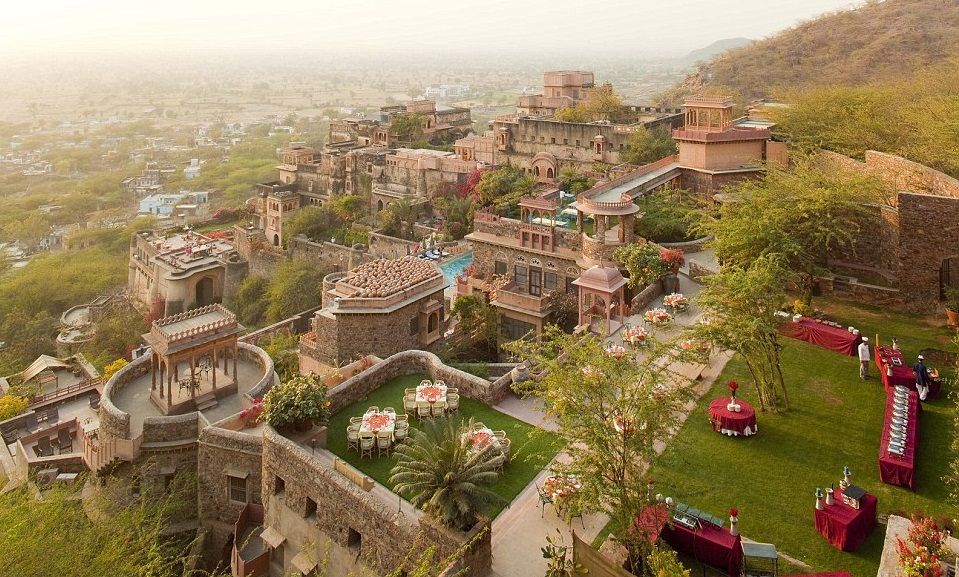
The Fort Palace of Neemrana is about 125 km from Delhi, on the road to Jaipur in Rajasthan. Built in 1464, Neemrana Fort Palace became the third capital of the descendants of Prithviraj Chauhan III, who had fled Delhi in 1192 after he was vanquished in battle by Muhammad Ghori.
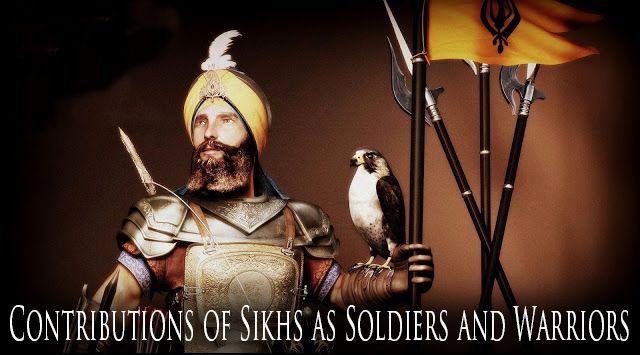
Sikhs by nature are respectful, courageous, hardworking, and enterprising. Look into their short span of history and you will find their pitcher is full of sacrifices and hard work which has contributed so much towards the building of the Indian nation. If not for them, the course of Indian History would have been very different. Volumes could be written on the contributions made by the Sikhs, who constitute less than 2% of Indian population. Just a few are listed below:
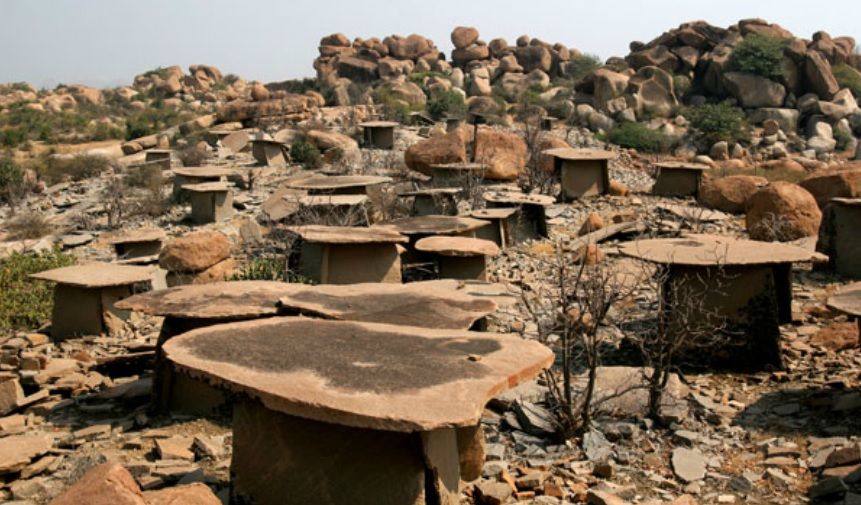
Hirebenkal is one of largest megalithic site in Karnataka, India. This site, protected by the Archaeological Survey of India, has approximately 400 megalithic structures that were built about 3000 years ago. Walking through the quiet ‘street’ dotted with scores of empty houses is like walking through a ghost town.
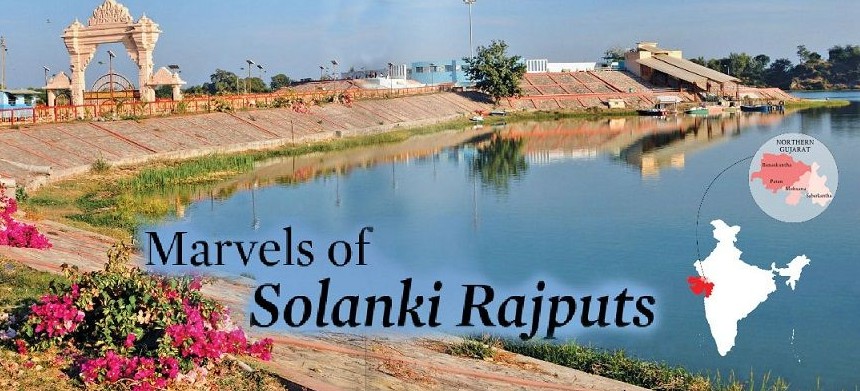
Solanki Dynasty was established by Mulraj that ruled the western and central India during the 10th century to the 13th century AD. This was the last Hindu dynasty. Mulraj Solanki’s reign marked the start of the most glorious period in the history of Gujarat during which Gujarati culture flowered as manifested in art, architecture, language and script. It is described as the golden period in Gujarat chequered history.
By continuing to use the site, you agree to the use of cookies. more information
The cookie settings on this website are set to "allow cookies" to give you the best browsing experience possible. If you continue to use this website without changing your cookie settings or you click "Accept" below then you are consenting to this.