
Latest Articles

Tala Kaveri- The Origin, History, Popular Attractions & Best Times to Visit!

Tala Kaveri- The Origin, History, Popular Attractions & Best Times to Visit!

Tala Kaveri (also known as the birthplace of the river Kaveri) is a sacred river in India, known for its historical and spiritual significance. Located in the Brahmagiri hills of Kodagu district, Karnataka, it is considered one of the seven holiest rivers of India.

Tala Kaveri is more than just an important religious site—it’s also home to a variety of popular attractions that attract visitors from all over the world. From awe-inspiring temples to breathtakingly beautiful waterfalls, there’s something for everyone who visits this majestic region.

Furthermore, Tala Kaveri has a long and fascinating history associated with it, making it even more special! So, join us on this blog where we explore the captivating history behind this wonderful river as we delve into its many popular attractions and discover why exactly this place is so revered by people from all walks of life!

The Fascinating History behind the origin of Tala Kaveri!

The fascinating history behind the origin of Tala Cauvery (also known as Tala Kaveri) starts with a legend associated with Sage Agasthya. The sage was in deep meditation when Lord Ganesha, in the form of a crow, toppled Kamandala (a pot full of water) that he held on top of a hill.

This resulted in the formation of the River Cauvery, and hence the Talacauvery, where its source can be traced back to this incident. Today, Talacauvery is home to several shrines dedicated to Kaveri Amman (the goddess Cauvery), Lord Agastheeshwara, and Lord Vinayaka. It even houses an ancient Shivalinga, which is considered rare and unique, making it one of a kind across India.

The most auspicious day for visiting Talacauvery is known as Tula Sankramana, which is celebrated around October or November every year. On this special day, Goddess Cauvery appears on earth, indicated by a sudden upsurge of water in Brahma Kundike lake near to the main temple at Talacauvery—marking her descent from heaven!

People visit here in large numbers during this time to witness this phenomenon, which brings immense joy among devotees and signifies their faith that the goddess has descended from heaven!

Popular Attractions Near Tala Kaveri

Tala Kaveri, located in the Coorg district of Karnataka, is one of the most popular tourist attractions in South India.

It is known for its serene beauty and rich historical significance. There are several places to explore near Tala Kaveri that offer an insight into the culture and heritage of this region.

1. The Bhagamandala Temple Complex

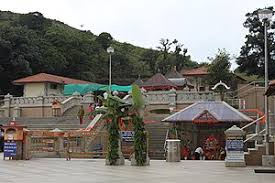
One of the main attractions near Tala Kaveri is the Bhagamandala Temple Complex, a unique temple dedicated to Lord Vishnu, Shiva, and Ganesha.

This temple complex also houses multiple shrines devoted to other Hindu deities like Subramanya and Devi Durga. The picturesque surroundings make it one of the best places to visit here.

2. Talakaveri Wildlife Sanctuary

Another popular attraction near Tala Kaveri is the Talakaveri Wildlife Sanctuary, where you can spot a variety of wildlife species, including elephants, gaurs (Indian bison), sloth bears, sambar deer, etc.

You can also enjoy bird watching here, as there are a large number of migratory birds that flock to this sanctuary during migration season.

3. Nisargadhama Island

Nisargadhama Island on the River Cauvery is another must-visit place here.

This island has bridges connecting it with both sides, making it ideal for campers or travellers looking for some solitude in nature’s lap away from all the hustle and bustle life offers them back home!

Boating facilities over here will bring out your inner child while exploring the area!

4. A Slew of Beautiful Waterfalls!

In the town nearby lie many waterfalls, including Abbey Falls, Iruppu Falls, and Mallalli Falls, that should not be missed while visiting Tala Kaveri!

These waterfalls nestled amidst lush green landscapes present breath-taking scenery throughout the year, thus offering ample opportunities for photography enthusiasts alike!

So, if you are planning to visit Tala Kaveri anytime soon, make sure to explore these places and witness the beauty of this area!

How to Reach Tala Kaveri?

If you’re planning to visit Tala Kaveri, there are various ways to reach it.

The nearest airports from Tala Kaveri are Mangalore Airport, which is about 135 km away; Bangalore International Airport, which is 300 km away; and the recently opened Kannur International Airport, which is 120 km away.

For those who prefer to travel by train, the nearest stations are Mysore Junction (125 km), Hassan Junction (90 km), and Mangalore Central (130 km). There are several state-run bus services as well as cab services available for people traveling from Bangalore, Mangalore, Hassan, or Mysore to Tala Kaveri.

However, if you wish to explore more of the coffee plantations around the region while visiting Tala Kaveri, then renting out a personal vehicle would be the best option since public transportation wouldn’t give you much flexibility in exploring landscapes, hills, and streams on your way to Coorg or Madikeri.

Best Time to Visit Tala Kaveri

The best times to visit Tala Kaveri are during the post-monsoon and winter seasons, when the weather is pleasant enough for sightseeing and other activities. During this time of year, temperatures range from 18–25 °C, making it ideal for an outdoor adventure.

The rain also brings plenty of blooming flowers and clear skies, so visitors can get amazing views of nature’s beauty. Furthermore, the Tala Kaveri Temple is open all year between 6 a.m. and 6 p.m., providing a spiritual experience to visitors who come to pay their respects at this holy site.

However, traveling here during the monsoons might be difficult due to heavy rains that tend to make routes slippery, causing problems while driving on them. So, it’s best not to travel through these places when it’s raining hard, because you might get stuck on the way and have no one to help you!
Sri Someshwara Swami Temple- History, Architecture and Popular Attractions!

Sri Someshwara Swami Temple- History, Architecture and Popular Attractions!

Located in the beautiful city of Udupi in Karnataka, India, the Sri Someshwara Swami Temple is a popular pilgrimage site for Hindus and a major tourist attraction. Dedicated to Lord Shiva, the temple is known for its stunning architecture and rich history.

Its origin can be traced back to the 7th century AD, making it one of the oldest temples in the region. Hindu mythology says that the temple is one of the seven mokshapuris, which are sacred cities that free people from the cycle of birth and death. The temple is also called “Dakshina Kashi,” which means “Kashi of the South.”

Over the years, the temple has undergone several renovations and expansions, and today it stands as a testament to the spiritual and cultural significance of Udupi. In this blog post, we’ll talk about the history, architecture, and rituals of the Sri Someshwara Swami Temple, as well as its place in Udupi’s culture and the Hindu religion.

So come, join us on a virtual tour of the Sri Someshwara Swami Temple, and discover the beauty and spirituality of this sacred site!

The History of Sri Someshwara Swami Temple

The Sri Someshwara Swami Temple is a beautiful and historic place of worship located in the heart of the bustling city of Bangalore, India. Its history dates back over a thousand years, to the time of the mighty Chola Empire. According to legend, the temple was built by Chola King Raja Chola I to honor Lord Shiva, one of the most important deities in Hinduism. The temple is named after Lord Shiva, who is also known as Someshwara, which means “moon-crested Lord.”

The temple has undergone many renovations and additions over the years, but its original Chola-style architecture can still be seen in the intricate carvings and sculptures that adorn its walls and pillars. The temple is also known for its beautiful gardens, which are filled with fragrant flowers and lush greenery. The Sri Someshwara Swami Temple is not just a place of worship but also a cultural hub for the people of Bangalore.

It is a popular place to visit for both tourists and religious people who want to learn about the place’s long history and feel its spiritual energy.

The Sri Someshwara Swami Temple boasts a Chola-style Architecture!

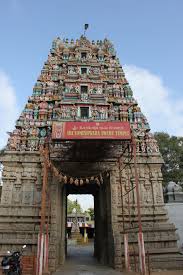
The Sri Someshwara Swami Temple is a stunning example of Chola-style architecture, a style that originated in the ancient kingdom of Tamil Nadu in southern India. This style is characterized by its emphasis on symmetry, proportion, and ornamentation. One of the most notable features of the temple is its impressive gopuram, or entrance tower.

This towering structure is adorned with intricate carvings and sculptures of Hindu deities, mythical creatures, and other motifs. The main entrance to the temple complex is through the gopuram, which is a beautiful sight. Inside the temple, you will find a large central hall called the “Maha Mandapa,” which is surrounded by smaller shrines dedicated to different deities.

The main shrine, called the “garbhagriha,” houses the idol of Lord Shiva, the main deity of the temple. The garbhagriha is also adorned with intricate carvings and sculptures and is a place of great reverence for devotees. Other notable features of the temple include the beautiful gardens that surround the complex, as well as the holy pond called the “Pushkarini.”

Other gods, like Goddess Parvati, Lord Ganesha, and Lord Vishnu, have their own smaller shrines in the temple. Overall, the Sri Someshwara Swami Temple is a masterpiece of Chola-style architecture, with its intricate carvings, beautiful gardens, and grand entrance tower. It is a place of great beauty and spiritual significance and a must-see destination for anyone interested in the rich cultural history of India!

Popular Attractions in Sri Someshwara Swami Temple

The Sri Someshwara Swami Temple is a beautiful and historic place of worship that offers much to see and explore. Here are some of the highlights that you won’t want to miss while visiting this sacred place: 

1. The main temple complex

The temple is known for its stunning Chola-style architecture, which features intricate carvings and sculptures on the walls and pillars. Be sure to take some time to admire the details and craftsmanship of this ancient structure.

2. The gardens

The temple is surrounded by beautiful gardens filled with fragrant flowers and lush greenery. Take a leisurely stroll through the gardens and soak in the peaceful atmosphere.

3. The shrines

The temple has several shrines dedicated to different deities, including Lord Shiva, Goddess Parvati, and Lord Ganesha. Each shrine has its own unique character and significance, so be sure to visit them all.

4. The holy pond

The temple has a holy pond called the “Pushkarini,” which is believed to have healing properties. Many devotees take a dip in the pond as part of their spiritual practice.

5. The cultural events

The temple often hosts cultural events and festivals, which are a great way to learn about the traditions and customs of Hinduism. Keep an eye out for any special events that may be happening during your visit.

How to Reach Sri Someshwara Swami Temple?

The Sri Someshwara Swami Temple is located in the city of Bangalore, in the state of Karnataka, in southern India. Whether you are visiting from within India or from abroad, there are several convenient ways to reach the temple. Here are some options to consider:

  1. By bus: The public buses are a very easy and affordable way to reach the temple. The Bhimavaram Bus Station is located in close proximity to the temple, and from there it is a short walk to the temple complex.
  2. By train: The nearest railway station to the temple is the Bhimavaram Railway Station, which is just 1.7 kilometers away. From the railway station, you can take a taxi or an autorickshaw to reach the temple.
  3. By air: The nearest airport to the temple is Rajahmundry Airport, which is located 91 kilometers away. From the airport, you can take a taxi or hire a car to reach the temple.

Overall, the Sri Someshwara Swami Temple is easily accessible by public transportation, and there are many options available to suit your budget and travel preferences. Just be sure to plan your journey in advance and allow enough time to reach the temple and explore the complex.

Sri Someshwara Swami Temple Timings

The following are the hours for visiting the Sri Someshwara Swami Temple:

  • Morning: The temple is open from 6:30 a.m. to 12:30 p.m. in the morning. This is a popular time for devotees to visit the temple, as it is believed to be an auspicious time for prayer and spiritual practice.
  • Evening: The temple is open from 5:30 p.m. to 8:30 p.m. in the evening. This is a good time to visit the temple if you want to experience the evening aarti (ritual) and hear the chanting of mantras.

Note: The temple is closed in the afternoon, from 12:30 p.m. to 5:30 p.m. This is a time for the priests and other staff to take a break and prepare for the evening puja (ritual).

It is recommended to arrive at the temple at least an hour before closing time, as this will give you enough time to explore the complex and participate in any spiritual practices that you may wish to do.

Sri Big Bull Temple- History, Architecture and Popular Rituals and Festivals!

Sri Big Bull Temple- History, Architecture and Popular Rituals and Festivals!

Welcome to our blog post about the majestic Sri Big Bull Temple! Located in the city of Bangalore, India, this temple is a must-see destination for any traveller. The temple is home to a massive granite statue of Nandi, the divine bull who serves as the mount of the Hindu god Shiva.

Standing at an impressive 15 feet tall and 20 feet long, the statue is a sight to behold. But the Sri Big Bull Temple is more than just a place to marvel at a giant statue. It is a sacred place of worship and devotion, with a rich history and cultural significance.

In this post, we will delve into the history and significance of the temple, as well as provide practical information for those planning a visit. So, let’s get started on this journey to the Sri Big Bull Temple!

Sri Big Bull Temple- History

The Sri Big Bull Temple has a long and storied history that dates back centuries. According to legend, the temple was founded by a feudal ruler named Kempe Gowda, who ruled over the region in the 16th century. Gowda was said to have had a vision of the deity Shiva, who directed him to build a temple at the spot where the massive statue of Nandi now stands.

Gowda followed the deity’s command, and the Sri Big Bull Temple was born. The temple has undergone several renovations and expansions over the years, but the granite statue of Nandi has remained a central feature. In fact, the temple is also known as the “Dodda Basavana Gudi,” which means “Big Bull Temple” in the local language.

In addition to its religious and historical significance, the Sri Big Bull Temple is also an important cultural landmark. It is a popular tourist destination, attracting visitors from all over the world who come to see the massive statue and participate in the temple’s rituals and ceremonies. The temple is also a major hub of cultural activity, hosting events and festivals throughout the year that celebrate the rich traditions of the region.

So, as you can see, the Sri Big Bull Temple is more than just a temple – it is a vital part of the history, culture, and spirituality of Bangalore and the surrounding region. It is a must-see destination for anyone interested in learning about the rich and diverse culture of India.

Sri Big Bull Temple- Architecture

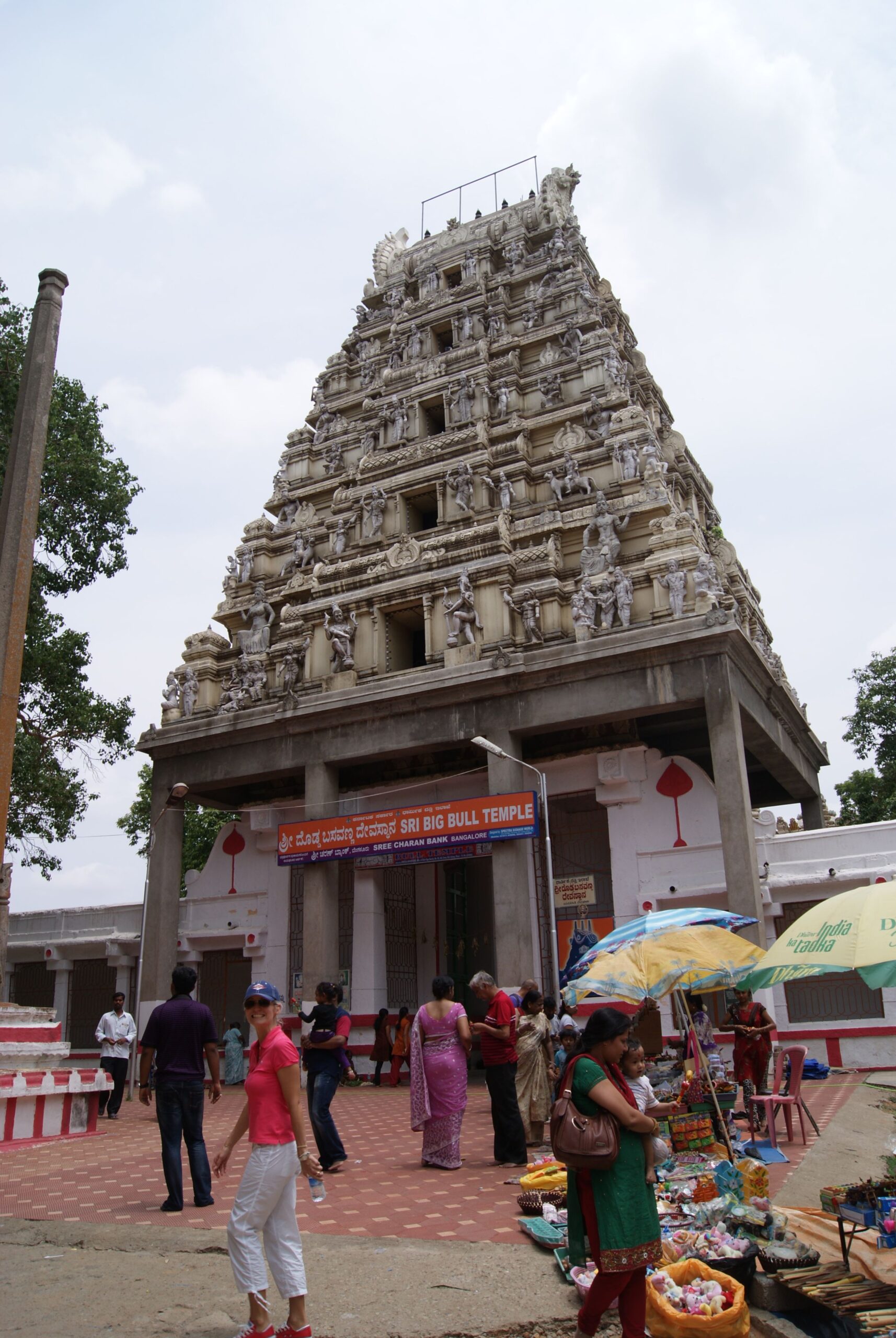
The Sri Big Bull Temple, located in the city of Bangalore in southern India, is a stunning example of ancient Dravidian architecture. The temple is dedicated to Nandi, the sacred bull who serves as the mount of the Hindu god Shiva.

One of the most striking features of the temple is its massive size. The Nandi statue that sits at the entrance of the temple is over 15 feet tall and 20 feet long, making it one of the largest Nandi statues in the world. The temple itself is equally impressive, with towering gopurams (gateway towers) and beautifully carved stone pillars.

But it’s not just the size of the temple that is impressive – the intricate details of the temple’s architecture are truly breath-taking. The walls of the temple are adorned with intricate carvings of Hindu deities, mythical creatures, and floral designs. The gopurams are adorned with brightly coloured paintings and sculptures of Hindu gods and goddesses.

In addition to its stunning architecture, the Sri Big Bull Temple is also known for its peaceful atmosphere. Visitors to the temple often report feeling a sense of serenity and tranquility upon entering the grounds. This is no doubt due in part to the temple’s beautiful setting, surrounded by lush gardens and tall trees.

Overall, the Sri Big Bull Temple is a must-see for anyone interested in ancient architecture or seeking a peaceful retreat. Its size and beauty make it a truly awe-inspiring sight to behold.

Popular Attractions near the Sri Big Bull Temple

If you’re planning a visit to the Sri Big Bull Temple in Bangalore, there are plenty of other popular attractions located nearby that you won’t want to miss. Here are just a few of the top sights to check out during your stay:

  1. Sri Govardhana Temple- Located just 250 meters from the Sri Big Bull Temple, the Sri Govardhana Temple is a beautiful Hindu temple dedicated to the god Krishna. The temple is known for its ornate architecture and peaceful atmosphere, making it the perfect spot for some quiet contemplation.
  1. Gavi Gangadhareshwara Temple- The Gavi Gangadhareshwara Temple is a must-see for anyone interested in ancient architecture. The temple is home to a massive monolithic stone structure that is said to be more than 1,500 years old.
  1. Lalbagh Botanical Garden- The Lalbagh Botanical Garden is a beautiful oasis in the heart of Bangalore. Located just 2km away from the Sri Big Bull temple, the garden features a variety of flowers, trees, and plants, as well as a glass house that is home to an impressive collection of orchids.
  1. Tipu Sultan’s Summer Palace- Tipu Sultan’s Summer Palace is a beautifully restored 18th-century palace that was once the summer residence of Tipu Sultan, the ruler of Mysore. The palace is now a popular tourist attraction, known for its stunning architecture and rich history.
  1. Bangalore Fort- Located just 3 kilometres from the Sri Big Bull Temple, the Bangalore Fort is a historic fort that dates back to the 16th century. The fort is now a popular tourist attraction, known for its beautifully preserved walls, gates, and buildings.

With so much to see and do, the Sri Big Bull Temple is the perfect starting point for a tour of Bangalore’s top attractions.

Festivals Celebrated at the Sri Big Bull Temple

The Sri Big Bull Temple in Bangalore is a vibrant and lively place, home to a number of exciting festivals throughout the year. Here are just a few of the popular festivals celebrated at the temple:

  • Kadalekai Parishe- Kadalekai Parishe is a popular festival held at the Sri Big Bull Temple during the months of November and December. The festival is a celebration of the harvest season and features a variety of activities, including food stalls, music and dance performances, and traditional games.
  • Ugadi- Ugadi is a Hindu festival that marks the start of the new year according to the Hindu calendar. The festival is celebrated at the Sri Big Bull Temple with a variety of rituals and ceremonies, including the lighting of lamps, the offering of prayers, and the distribution of sweets.

How do you reach the Sri Big Bull Temple?

If you’re planning a visit to the Sri Big Bull Temple in Bangalore, there are a few different ways to reach this iconic destination. Here’s what you need to know:

  • By air- The nearest airport to the Sri Big Bull Temple is the Bangalore airport, which is located about 39.1 kms away.
  • By train- The nearest railway station to the Sri Big Bull Temple is located in Chikkaballapur, about 19 kms away. From Chikkaballapur, you can take a cab to reach the temple.
  • By road- If you’re driving to the temple, you can easily reach it by car from Bangalore or other nearby cities.

Regarding the temple timings, the Sri Big Bull temple is open from 6 a.m. to 8 p.m. every day, so you can plan your visit accordingly!

Sri Banashankari Temple- History, Legend, Festivities and Other Info!

Sri Banashankari Temple- History, Legend, Festivities and Other Info!

The Sri Banashankari Temple is located on Kanakapura Road in the state of Karnataka, India. This temple is a popular pilgrim destination for Hindus, who come from all over the country to pay their respects to the deity Banashankari Amma, the goddess of power and victory.

The temple is a stunning example of ancient South Indian architecture, with intricate carvings and towering gopurams (temple gates) that stand as a testament to the rich cultural heritage of this region. In this blog, we will delve into the history and significance of the Sri Banashankari Temple, as well as explore the many rituals and traditions that are practiced here.

So come along with us as we journey to this holy place and discover the magic and mystery of the Sri Banashankari Temple!

History behind the Sri Banashankari Temple

The Sri Banashankari Temple, located in the Tilakaaranya forest, is an ancient Hindu shrine with a rich history dating back to the 7th century AD. The goddess Shakambhari, who is an incarnation of the goddess Parvati, is worshiped at the temple! According to historians, the original temple was built during the Kalyani Chalukya period, specifically under the rule of Jagadekamalla I in 603 AD.

This is evident from the epigraphic inscriptions found at the site. The temple was built in the Dravidian architectural style, which was prevalent during this time period. However, the present refurbished temple was built in 1750 by Parusharam Agale, a Maratha chieftain. This rebuild was done in the Vijayanagara architectural style, which can be seen in the ornate and elaborate carvings on the temple’s exterior and interior.

In addition to its impressive architecture, the Sri Banashankari Temple is also unique in that it is a dvikuta, or “two shrines” or “two-tower” temple. This is a rare feature, as most temples only have one shrine. Despite its refurbishment, the Sri Banashankari Temple still exhibits Nagara influence, a feature commonly found in temples built in the 13th century.

Overall, the temple is a great example of how different architectural styles and time periods can be brought together to make a truly unique building!

The Legend of the Sri Banashankari Temple

The legend of the Sri Banashankari Temple is one of bravery and divine intervention. According to the Skanda Purana and Padma Purana scriptures, the demon Durgamasura was wreaking havoc on the local people and causing great suffering. In response to the cries for help from the Devas (demi-gods), the Lord directed the goddess Shakambari to protect the people.

The goddess appeared through the fire of a yagna (fire sacrifice) in the form of Shakambari and engaged in a fierce battle with the demon. In the end, she emerged victorious, killing Durgamasura and restoring peace to the region. People in India think that this temple is the home of the goddess Parvati, who is married to the god Shiva.

According to local belief, Banashankari is the sixth incarnation of the warrior goddess Durga. This legend adds to the spiritual significance of the temple and attracts many devotees who come to pay their respects to the powerful goddess.

Popular Festivals at the Sri Banashankari Temple

1. The Banashankari Rath Yatra

One of the most popular festivals celebrated at the Sri Banashankari Temple is the Banashankari Rath Yatra. This festival involves the processional transportation of the deity’s idol on a chariot, or rath, through the streets.

The rath is ornately decorated and is pulled by devotees as it makes its way to the temple. During the Rath Yatra, devotees sing devotional songs and offer flowers and other offerings to the deity. This festival is a big part of the culture of the temple, and people come from all over the area to take part.

2. The Banashankari Jatre

Another popular festival at the Sri Banashankari Temple is the Banashankari Jatre. This festival is held annually and involves a grand procession of the deity through the streets of the town.

The deity is carried on a decorated palanquin and is accompanied by a large number of devotees, who sing devotional songs and offer flowers and other offerings. The Jatre is a joyous occasion that brings the community together to celebrate the goddess and her blessings. It is a time of great devotion and celebration at the temple.

3. The Cattle Fair

In addition to religious festivals, the Sri Banashankari Temple also hosts a popular annual cattle fair. This fair is a gathering of farmers and traders who come to buy and sell livestock.

The fair is held on the temple grounds and attracts a large number of people from the surrounding area. In addition to the buying and selling of livestock, the cattle fair also includes cultural programs and other activities, making it a festive event for the entire community.

Overall, the Sri Banashankari Temple is a place of great spiritual significance and a hub of cultural and community activity, with many popular festivals and rituals being held throughout the year.

How to reach Sri Banashankari Temple?

The Sri Banashankari Temple is in the Indian state of Karnataka and is a popular place for both tourists and people who want to worship. If you’re planning a visit to this ancient Hindu shrine, here’s how you can reach it:

  1. By Air: There are airports in Hubli (106 km) and Belgaum (150 km) that are close to the Sri Banashankari Temple. From these airports, you can hire a taxi or take a bus to reach the temple.
  2. By Train: If you prefer to travel by train, the nearest railway station to the temple is the Bangalore City Railway Station, which is located just 8.5 km away.
  3. By Bus: If you’re traveling by bus, the BMTC Shuttle Service Bus Stop is located just 4 km from the Sri Banashankari Temple. From the bus stop, you can either hire a local transport or take a short walk to reach the temple.

Overall, the Sri Banashankari Temple is easy to get to with many different kinds of transportation, which makes it a convenient place to go. Whether you’re coming from within the state or from further afield, you’ll find it easy to reach this ancient shrine!

Sri Banashankari Temple Timings

The Sri Banashankari Temple is open to visitors throughout the week. If you want to visit this ancient Hindu shrine, here are the times you should know:

  • Monday to Friday: The temple is open from 6:00 a.m. to 1:00 p.m. and from 4:30 p.m. to 8:00 p.m.
  • Saturday: The temple is open from 6:00 am to 1:00 pm and from 1:30 pm to 8:00 pm.
  • Sunday: The temple is open from 6:00 am to 1:00 pm and from 4:30 pm to 8:00 pm.

During these times, worshippers can go into the temple to pray and ask the deity to bless them. The temple is also open to tourists who wish to learn about its history and architecture.

It’s worth noting that timings may vary depending on festivals and other events, so if you’re planning a visit, double-check the schedule ahead of time.

Somanathapura Temple- History, Architecture, Interesting Facts and Popular Attractions!

Somanathapura Temple- History, Architecture, Interesting Facts and Popular Attractions!

Looking for a truly unique and breath-taking travel destination? Look no further than the Somanathapura Temple, which is also known as the Chennakeshava Temple and Keshava Temple.

Located in the charming village of Somanathapura in Karnataka, India, this temple is a true masterpiece of medieval Hoysala architecture. Built in the 13th century, the Somanathapura Temple is a testament to the creativity and skill of the Hoysala Empire. With its intricate carvings, delicate sculptures, and stunning stone work, the Somanathapura Temple is a must-see for any art or history lover.

So, come along with us as we explore the rich history and cultural significance of the Somanathapura Temple. Also, apart from the history and significance, we will deep dive into the popular attractions and rituals that take place at this temple!

Somanathapura Temple- History

The Somanathapura Temple, also known as the Chennakeshava Temple and Keshava Temple, has a rich and fascinating history dating back to the 13th century. Built during the reign of the Hoysala Empire, this temple is a true testament to the artistic and architectural prowess of the Hoysalas.

According to legend, the temple was built by the Hoysala king Narasimha III to honour the Hindu deity Chennakeshava, who is also known as Keshava. The temple was built on the banks of the Kaveri River, and it is said that the king chose this location because he believed it to be a particularly holy and auspicious spot.

The temple itself is a true work of art, with intricate carvings and sculptures adorning every surface. The main shrine of the temple is dedicated to Chennakeshava, and it is surrounded by smaller shrines dedicated to other Hindu deities. The temple is also home to a beautiful statue of the god Vishnu, which is considered to be one of the finest examples of Hoysala sculpture.

Despite the passage of time, the Somanathapura Temple remains a proof to the skill and talent of the Hoysala Empire. It is a popular destination for tourists and religious pilgrims alike, and it is truly a sight to behold!

Somanathapura Temple- Architecture

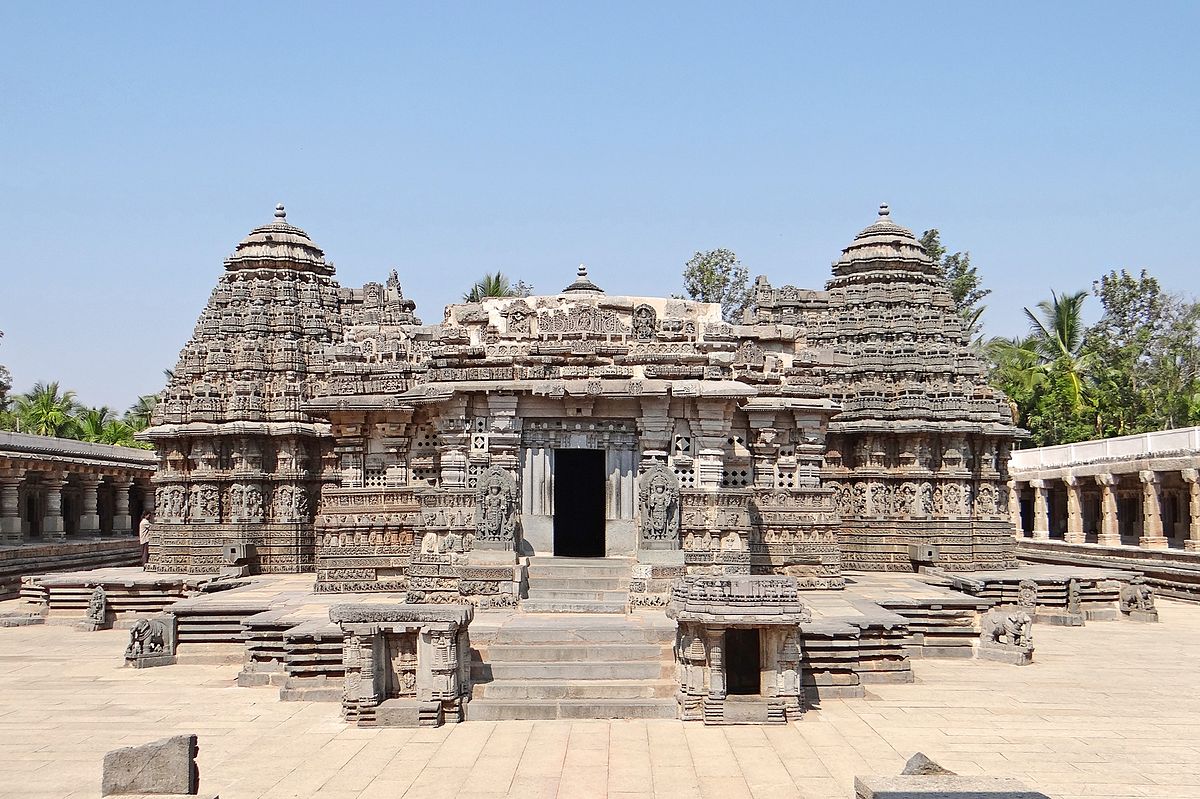
The Somanathapura Temple is a true architectural masterpiece. One of the most striking features of the Somanathapura Temple is its intricate carvings and sculptures. Every inch of the temple is adorned with delicate and detailed stone work, depicting scenes from Hindu mythology and everyday life.

The main shrine of the temple is dedicated to the deity Chennakeshava, and it is surrounded by smaller shrines dedicated to other Hindu deities. Another notable feature of the Somanathapura Temple is its star-shaped base, which is a characteristic of Hoysala architecture. This star-shaped base is believed to symbolize the five elements of nature, and it adds a unique and striking element to the temple’s overall design.

In addition to its beautiful carvings and sculptures, the Somanathapura Temple is also known for its use of geometric shapes and patterns in its architecture. The temple is filled with arches, niches, and other decorative elements that create a sense of balance and symmetry.

Some Interesting Facts about the Somanathapura Temple

1. The Somanathapura Temple is also known as The Three Shine Temple!

The Somanathapura Temple is dedicated to Lord Shiva, one of the principal deities of Hinduism. But what makes the Somanathapura Temple stand out from other Hindu temples is its unique triple shrine architecture.

The temple has three separate shrines, each dedicated to a different aspect of Lord Shiva. The main shrine is dedicated to Lord Keshava, the second shrine is dedicated to Lord Janardhana, and the third shrine is dedicated to Lord Venugopala.

The temple’s three shrines are connected by a series of beautifully decorated halls and corridors!

2. Did you know the Somanathapura Temple was once Desecrated!

This beautiful Hoysala temple in Karnataka, India is a true masterpiece of ancient art and engineering.

But its history is not without turmoil – the temple was once desecrated and its idols broken by invading armies of the Muslim Sultanate. Despite this dark chapter in its history, the Somanathapura Temple stands tall and proud, its beauty still captivating visitors from all around the world.

As you wander through its intricate carvings and marvel at its stunning architecture, you can’t help but be reminded of the incredible artistic and engineering achievements of the era.

What are some popular attractions at the Somanathapura Temple?

The Somanathapura Temple in Karnataka, India is a treasure trove of ancient wonders, and there is no shortage of attractions for visitors to discover.

From its beautifully crafted shrines to its ornate decorative eaves, there is something for everyone at this stunning Hoysala temple!

  • One of the most popular attractions at the Somanathapura Temple is the series of shrines that dot the complex. These finely carved structures and their small inner details are sure to leave you in awe.
  • But the Somanathapura Temple isn’t just about the shrines – the decorative eaves that adorn the roofs of the temple are a sight to behold. These ornate structures are a true work of art, and their striking patterns and designs are sure to leave a lasting impression on visitors.
  • But perhaps one of the most striking features of the Somanathapura Temple are its walls. Covered in intricate carvings and reliefs, these walls tell the story of the temple and its history. From scenes of ancient battles to depictions of everyday life, there is so much to discover on these ancient surfaces.

How can one reach the Somanathapura Temple?

Ready to embark on a journey to the stunning Somanathapura Temple in Karnataka, India? Great! But first, you’ll need to know how to get there.

Located just 38 km from the city of Mysore, Somanathapura is easily accessible by bus. Regular bus services operate between Mysore and Srirangapatna, making it easy to reach the temple from either of these locations.

But if you prefer to travel by train, don’t worry – there is also a railway station in Somanathapura. Simply hop on a train and make your way to this ancient temple with ease.

Once you’ve reached Somanathapura, you’ll be able to visit the temple anytime throughout the year. The temple is open from 8:30 a.m. to 5:30 p.m. every day, so you can plan your visit at a time that is convenient for you.

So why wait? Start planning your trip to the Somanathapura Temple and discover the ancient wonders that await you!

Shri Panchlinga Nageshwara Temple- History, Attractions, Festivals and Temple Timings!

Shri Panchlinga Nageshwara Temple- History, Attractions, Festivals and Temple Timings!

Welcome to our blog about the Shri Panchlinga Nageshwara Temple, located in the small town of Begur within the Bangalore urban district of Karnataka, India. This beautiful temple is a beloved place of worship for Hindus, and it’s also a popular destination for travellers and tourists interested in exploring the rich cultural traditions of India.

The Shri Panchlinga Nageshwara Temple is renowned for its stunning architecture, with intricate carvings and artwork adorning its walls and towers. It’s also a place where ancient rituals and ceremonies are still performed, offering visitors a glimpse into the timeless spiritual practices of Hinduism.

In this blog, we’ll take you on a virtual tour of the Shri Panchlinga Nageshwara Temple, sharing the history, beauty, and significance of this amazing place. So, join us as we journey to Begur and discover the wonders of the Shri Panchlinga Nageshwara Temple!

A Brief History on the Shri Panchlinga Nageshwara Temple

The Shri Panchlinga Nageshwara Temple has a long and fascinating history that dates back over a thousand years. Located in the small town of Begur in Karnataka, India, this temple is a place of great cultural and spiritual significance for Hindus.

The origins of the temple can be traced back to the Western Ganga Dynasty, which ruled over the region in the 9th and 10th centuries. It was during this time that the Nageshvara and Nageshvarasvami shrines within the temple complex were commissioned by Kings Nitimarga I and Ereyappa Nitimarga II. These shrines remain some of the oldest and most revered in the temple complex to this day.

But the Shri Panchlinga Nageshwara Temple didn’t stop there. During the rule of the Chola Dynasty, several more shrines were added to the complex, further expanding its size and significance. And it was during this time that the temple gained much of its stunning architectural features, with intricate carvings and artwork adorning its walls and towers.

But the Shri Panchlinga Nageshwara Temple isn’t just a beautiful place to visit. It’s also a place of great historical significance. In fact, an Old Kannada inscription dating back to c. 890 was found within the temple complex, describing a “Bengaluru war.” This is the earliest evidence of the existence of Bangalore, the capital city of Karnataka and one of the most populous cities in India.

So, as you can see, the Shri Panchlinga Nageshwara Temple is much more than just a religious site. It’s a place of great cultural, historical, and architectural significance, offering visitors a glimpse into the rich traditions and history of India.

Popular Attractions in the Shri Panchlinga Nageshwara Temple

When visiting the Shri Panchlinga Nageshwara Temple, there’s no shortage of popular attractions to explore. From the stunning architecture to the ancient rituals and ceremonies, there’s something for everyone at this sacred site.

Here are just a few of the popular attractions that make the Shri Panchlinga Nageshwara Temple a must-see destination:

  • The 5 shrines of Shiva: The Shri Panchlinga Nageshwara Temple is home to five shrines dedicated to the Hindu god Shiva. Each shrine is adorned with intricate carvings and artwork, offering visitors a glimpse into the rich spiritual traditions of Hinduism.
  • The Nandi Mantapa: This beautiful open-air hall is home to a large stone statue of Nandi, the sacred bull of Shiva. The Nandi Mantapa is a popular spot for visitors to relax and soak up the peaceful atmosphere of the temple.
  • The 2-handed Ganesha: One of the most popular attractions in the temple is the 2-handed Ganesha, a beautifully carved statue of the elephant-headed god. This statue is believed to bring good luck and prosperity to those who pray before it.
  • The 9th century inscription: The Shri Panchlinga Nageshwara Temple is home to a 9th century inscription describing a “Bengaluru war,” making it the earliest evidence of the existence of Bangalore. This inscription is a fascinating piece of history that gives visitors a glimpse into the past.
  • The Ganga and Chola architecture: The Shri Panchlinga Nageshwara Temple is a stunning example of Ganga and Chola architecture, with intricate carvings and artwork adorning its walls and towers. Visitors will marvel at the beauty and craftsmanship of this ancient temple.
  • The Begur Fort remnants: Located within the temple complex are the remnants of the Begur Fort, which once served as the capital of the Western Ganga Dynasty. Visitors can explore the ruins and learn more about the history of this fascinating place.

There’s so much to see and do at the Shri Panchlinga Nageshwara Temple, making it a must-visit destination for anyone interested in the rich cultural traditions of India.

Annual Festivals Celebrated at the Shri Panchlinga Nageshwara Temple

The Shri Panchlinga Nageshwara Temple is a place of great spiritual significance, and as such, it’s home to several annual festivals that are celebrated with great devotion and fanfare. Here are two of the most popular festivals celebrated at the temple:

  • Maha Shivaratri: This festival, which translates to “the great night of Shiva,” is a celebration of the Hindu god Shiva and his marriage to the goddess Parvati. The festival is marked by prayer and devotion, and it’s a time when many Hindus visit the temple to offer their prayers and seek blessings.
  • Bramha Rathotsava: This festival, which translates to “the chariot festival of Bramha,” is a celebration of the Hindu creator god Bramha. It’s a time when devotees pull a large chariot adorned with statues of Bramha and other gods through the streets of Begur, stopping at the Shri Panchlinga Nageshwara Temple to offer their prayers.

These annual festivals are an important part of the cultural fabric of the Shri Panchlinga Nageshwara Temple, and they’re a must-see for anyone interested in experiencing the rich traditions of Hinduism. If you’re planning a visit to the temple, be sure to check the calendar to see if you can catch one of these special events!

Shri Panchlinga Nageshwara Temple Timings

The Shri Panchlinga Nageshwara Temple is open for visitors every day of the year. The temple is open from 6 a.m. to 7:30 p.m., providing plenty of time for visitors to explore the beautiful grounds and take part in the ancient rituals and ceremonies that are held there.

Visitors can expect to find a peaceful and serene atmosphere at the temple, with the sound of chanting and the scent of incense filling the air. The temple is a popular destination for pilgrims and tourists alike, and it’s a wonderful place to experience the rich cultural traditions of Hinduism.

So, whether you’re a devout Hindu looking to offer your prayers or a curious traveller seeking to learn more about India’s spiritual traditions, the Shri Panchlinga Nageshwara Temple is the perfect place to visit. Just be sure to check the timings before you go, as the temple has set hours of operation!

Shri Krishna Temple (Himavad Gopalaswamy Temple)

Shri Krishna Temple (Himavad Gopalaswamy Temple)

The Shri Krishna Temple, also known as the Himavad Gopalaswamy Temple, is situated in the Himavad Gopalaswamy Hills of Berambadi State Forest in Karnataka. It is a renowned temple for Hindus and an ideal place to visit and worship.

In this blog, we will discuss the temple’s rich history, exquisite architecture, nearby attractions, and the best times to visit the temple. So join us on this journey as we explore the beauty and sacredness of this holy abode!

Himavad Gopalaswamy Temple- History

The Himavad Gopalaswamy Temple is an ancient temple located in the Chamarajanagar district of Karnataka, India. It has a history that can be traced back to when it was built seven centuries ago, with its old names being South Govardhanagiri and Kamalachala. This beautiful temple stands at 4770 feet above sea level, making it one of the highest-altitude temples in south India.

This sacred shrine, dedicated to Lord Shri Krishna (Gopalaswamy), was built in the 14th century AD (1315) by sage Agastya. Built under the rule of King Chola Ballala, this majestic structure boasts magnificent stone carvings on its walls and pillars, along with intricate woodwork around them, which have remained intact even after all these years! After the building was finished, the Wodeyars dynasty took over maintenance for many generations.

To this day, their descendants still keep the buildings and outside areas, like nearby villages, in good shape. People from all over the world come to this holy place to pray to their favourite god, Sri Gopalkrishna (also renowned as “Mallikarjuna” by the locals).

Himavad Gopalaswamy Temple- Architecture

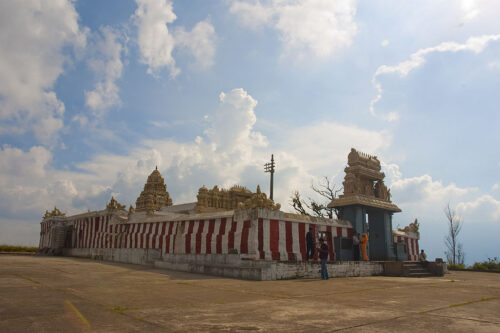
Shri Krishna Temple (Himavad Gopalaswamy Temple) Karnataka
Shri Krishna Temple (Himavad Gopalaswamy Temple) Karnataka . Image courtesy: Wikimedia commons

The Himavad Gopalaswamy Temple is a remarkable example of ancient architectural and religious glory. Located in the Gundlupet area, this Hindu shrine is dedicated to Lord Krishna and has many unique features that make it stand out from other temples across India.

At first glance, visitors will be drawn to its single-tiered gopuram (tower) with a dhwajastambha (flagpole). The mukhamantapa also contains a bali peetha, which adds an additional layer of grandeur to the structure. As you go further inside, you can see different sculptures, including ones of Vishnu’s avatars (dashavatara) and Krishnavatar, on the parapet walls along the facade. These were beautifully made by skilled craftsmen at a time when technology was not as advanced as it is today.

Inside the Garbha Grihah, or sanctum sanctorum, stands a six-foot-tall idol of Lord Krishna holding a flute under a tree, surrounded by prabhaval, which has carvings of trees, cows, cowherds, etc., making for beautiful subjects for photography as well as showcasing the amazing craftsmanship used while constructing these structures centuries ago. Also, the cold water drops that fall all year near the Sanctum Sanctorium door add a sense of mystery to the air around the temple.

This amazing architecture, combined with the lush greenery surrounding the hills, makes the entire area worth visiting at least once! Overall, the Himavad Gopalaswamy Temple is an amazing example of ancient architecture and Hindu worship that has withstood the test of time. Its unique features make it a place that everyone who wants to learn about India’s rich culture and history must go to.

Popular Attractions Near the Himavad Gopalaswamy Temple

The Himavad Gopalaswamy Hill is a popular tourist attraction in the state of Karnataka, India. It is home to one of its holiest sites: the Himavad Gopalaswamy Temple, which dates back centuries and is a popular pilgrimage destination for devotees from all over South India.

Apart from being a religious destination, it also offers scenic beauty and several other attractions that are sure to capture your attention.

1. Home to elephants, deer, rabbits, tigers, and leopards!

The Himavad Gopalaswamy Hill is home to a variety of wildlife, including elephants, deer, and even tigers, making it an ideal spot for nature lovers.

This hilltop abode also offers some rare sightings of leopard on occasion, so if you’re lucky enough, be sure not to miss such unique experiences while here!

2. You have the sensation of walking on clouds!

At this beautiful place, you can experience what it’s like to walk through clouds in all their glory.

The fog plays hide-and-seek from time to time as you walk along the winding paths that lead up to the top, where the Himavad Gopalaswamy Temple stands tall and looks down on everything below. It’s a sight you’ll never forget!

3. You get to witness a wide variety of trees!

On the way to the top of the hill, there are many trees, sphagnum moss, and even orchids that are only found in the western ghats. These trees show off the real beauty of nature in all its glory.

You can also find rosewood and teakwood, as well as other valuable species, within this forest, making it an even more special place for nature lovers visiting here.

4. Rich bird life, including peacocks, parrots, etc.!

Aside from the lush green meadows and wildlife-filled forests, there are also some interesting birds, like peacocks, that can be seen here all year long. This is another reason why so many people come back here again and again.

Not to mention that you can often see parrots flying around, adding their own charm and making everything look even better. It’s a truly amazing sight that you should see for yourself if you get the chance.

Famous Rituals and Festivals Celebrated at the Himavad Gopalaswamy Temple

1. The Gopalaswamy Brahma Rathotsava car festival

The Gopalaswamy Brahma Rathotsava car festival is held every year in Phalguna Masa-Sravana, i.e., in the last week of March.

This car festival is held with a lot of fanfare. Devotees pull a huge chariot made of bamboo creepers from a nearby forest through four streets that surround an old temple. This represents Lord Krishna’s journey on his cart through Vrindavan, the place where he was born.

During these days, special poojas are held for Lord Vishnu, along with other activities like Kirtan (devotional singing), Aarati (lighting lamps), etc., which make it an even grander event than usual.

2. Sravana Masa special poojas

Aside from that, the Sravana Masa of each year is also important because special poojas and cultural programs, such as abhishekams and Alankara sevas, are held every day between 5:00 a.m. and 7:00 p.m. to offer sarees and jewellery.

These events draw tens of thousands of devotees who come here every day to ask the deity in Garbha Gudi for divine blessings.

3. Mahabali Hanuman Jayanthi

Mahabali Hanuman Jayanthi is also celebrated here every year on Chaitra Shuddha Pournami.

This is when God Hanuman is worshipped with the most devotion, giving people a chance to ask for blessings from Panchmukhi Anjaneya Swami, who is inside the Sanctum Sanatorium.

Himavad Gopalaswamy Temple- Visiting Times & How to reach the temple?

The Himavad Gopalaswamy Temple stays open to all visitors from 8:30 a.m. to 4 p.m. every day!

While it may be closed during some festivals or special occasions like Purnima (Full Moon Day), devotees can also visit nearby temples that remain open every day, including Maramma Devi, Mallikarjuna Swami Gowdru, etc. You will need around two hours to climb up on foot.

Still, there’s another option available: take shuttle buses run by KSRTC (Karnataka State Road Transport Corporation) from the foothills directly up to the hilltop viewpoint where the main temple resides!

Note: Private vehicles aren’t allowed beyond certain checkpoints, so remember that while planning your trip here.

Shri Jagannatha Temple Bangalore – History, Architecture, Significance and Popular Rituals!

Shri Jagannatha Temple- History, Architecture, Significance and Popular Rituals!

Nestled in the bustling city of Bengaluru lies a hidden gem: the Shri Jagannatha Temple. Founded by the Shree Jangannath Temple Trust, this sacred place of worship has been attracting devotees and visitors for centuries. From its stunning architecture to its rich history and cultural significance, the Shri Jagannatha Temple is a true treasure.

But beyond its beauty and grandeur, the temple is a place of peace and contemplation, where visitors can connect with the divine and find solace in their busy lives. In this blog article, we’ll delve into the history of the temple, and explore the rituals and celebrations that take place within its walls.

We’ll also delve into the cultural and spiritual significance of Lord Jagannatha, the deity worshipped at the temple. So, come along on this journey with us and discover the beauty and spiritual power of the Shri Jagannatha Temple!

History behind the Shri Jagannatha Temple

The Shri Jagannatha Temple in Bengaluru is a beautiful and sacred place of worship, but it has a deeper connection to the Jagannath Temple in Puri, Orissa. The original Jagannath Temple is a world-renowned pilgrimage and tourist destination, attracting millions of visitors each year.

It is dedicated to Lord Jagannath, a form of the Hindu deity Lord Vishnu or Krishna, and is home to three deities: Lord Jagannath, his son Balabhadra, and his sister Subhadra. The Shri Jagannatha Temple in Bengaluru was founded by the Shree Jangannath Temple Trust, and it has been a place of worship and devotion ever since.

The temple’s architecture is a blend of South Indian and Odishan styles, and it has undergone several renovations and expansions over the centuries. Today, it is preserved and maintained by the Bangalore Sri Jagannath Temple Trust. While the Shri Jagannatha Temple in Bengaluru may not be as well-known as the original Jagannath Temple in Puri, it is no less important or sacred!

Significance of Lord Jagannath

Lord Jagannath is a deity revered by Hindus all over the world, and his significance extends far beyond the walls of the temple. In Hindu mythology, Lord Jagannath is a form of Lord Vishnu, the supreme god and creator of the universe. He is depicted as a massive wooden idol, adorned with beautiful clothes and jewels, and is believed to be the protector of all living beings.

Devotees come to the temple to offer prayers and seek his blessings. But Lord Jagannath’s significance goes beyond his role as a deity. He is also a symbol of unity and equality, as people from all walks of life are welcome to worship him. The annual Rath Yatra, or chariot festival, is a testament to this, as Lord Jagannath is carried through the streets on a massive chariot, accompanied by his siblings Balabhadra and Subhadra.

In addition to his cultural and religious significance, Lord Jagannath also holds a special place in the hearts of devotees. Many Hindus see him as a source of inspiration and solace, and turn to him for guidance and support in times of need. The temple is a place of peace and contemplation, where devotees can connect with the divine and find solace in their busy lives.

Overall, the significance of Lord Jagannath is vast and multifaceted. He is a deity, a cultural symbol, and a source of spiritual inspiration for Hindus all over the world. Whether you are a devotee of Lord Jagannath or simply interested in Hinduism, his significance is sure to leave a lasting impression!

Architecture of the Shri Jagannatha Temple

The Shri Jagannatha Temple in Bengaluru is a stunning architectural masterpiece, and one of the main attractions of the temple is the Pattachitras, or traditional paintings. These paintings are a testament to the creativity and artistic talent of the temple’s craftsmen, and they add an extra layer of beauty and meaning to the temple’s design.

The Pattachitras are made using a variety of techniques, including the application of rich colors and the use of creative motifs and designs. They depict a wide range of themes, mostly mythological in nature, and are a testament to the enduring influence of Hindu mythology on the temple’s design.

One of the most striking features of the Pattachitras is their use of colour. The paintings are vibrant and striking, with hues ranging from deep reds and purples to bright yellows and greens. The colors are applied in a variety of patterns and designs, creating a visual feast for the senses.

In addition to their visual appeal, the Pattachitras also have a deeper meaning and significance. They depict stories and themes from Hindu mythology, and serve as a reminder of the temple’s spiritual and cultural roots.

Popular Rituals and Celebrations that take place at the Shri Jagannatha Temple

The Shri Jagannatha Temple is a place of true worship and celebration, and there are many popular rituals and festivities that take place within its walls. Here are just a few of the most notable:

  1. Chandan Yatra: This annual festival takes place in the spring and is dedicated to Lord Jagannath. During the festival, the deity is bathed in sandalwood paste, which is believed to have medicinal properties.
  1. Dola Yatra: Also known as the Festival of Swings, this annual celebration takes place in the spring and is a celebration of the divine feminine. During the festival, the deities are placed on swings and are swung back and forth, while devotees sing and dance below.
  1. Panchaka Nabakalebara: This is a major festival that takes place every 12-19 years, and is a time of renewal and rejuvenation for the temple. During the festival, the deities are replaced with new wooden idols, and a grand procession is held to mark the occasion.
  1. Rath Yatra: This is perhaps the most well-known festival at the Shri Jagannatha Temple, and it takes place in the summer. During the festival, Lord Jagannath is carried through the streets on a massive chariot, accompanied by his siblings Balabhadra and Subhadra. The chariot is pulled by devotees, and the festival is a celebration of the divine.
  1. Snana Yatra: This annual festival takes place in the summer and is a celebration of Lord Jagannath’s bathing ritual. During the festival, the deity is bathed in holy water, and the temple is adorned with flowers and garlands.
  1. Suna Besha: This annual festival takes place in the winter and is a celebration of Lord Jagannath’s divine power. During the festival, the deity is adorned in gold, and the temple is decked out in all its finery.

Shri Jagannatha Temple Timings

The Shri Jagannatha Temple is located at Agara Flyover, Agara Village, 1st Sector, HSR Layout, Bengaluru, Karnataka 560102, India, and is open every day from 5 a.m. to 12 p.m., and from 4 p.m. to 8 p.m.

These hours provide ample time for visitors to explore the temple and participate in its many rituals and celebrations. The early morning hours are a particularly peaceful time to visit, as the temple is less crowded and the atmosphere is more contemplative. In the evening, the temple is illuminated by the soft glow of oil lamps, creating a beautiful and serene atmosphere.

Whether you are a devotee of Lord Jagannath or simply interested in experiencing the beauty and spirituality of the Shri Jagannatha Temple, there are plenty of opportunities to visit. The temple’s convenient hours and central location make it an accessible and inviting destination for all!

Shri Gavi Gangadhareshwara Swamy Devasthana- History, Architecture, Special Events and Temple Timings!

Shri Gavi Gangadhareshwara Swamy Devasthana- History, Architecture, Special Events and Temple Timings!

Welcome to our blog about the breath-taking Gavi Gangadhareshwara Temple, located in the vibrant city of Bangalore in the state of Karnataka, India.

Also known as the Gavipuram Cave Temple, this holy site is steeped in history and legend, making it a must-visit destination for any spiritual seeker or history buff. In this blog post, we will delve into the rich history and cultural significance of the Gavi Gangadhareshwara Temple, as well as highlight some of the top attractions and temple timings for visitors.

So, come along with us on this journey as we explore one of India’s most beautiful and revered temples!

Gavi Gangadhareshwara Temple- History

The rich history of the Gavi Gangadhareshwara Temple dates back to the 9th century, when it is believed to have been carved out of a rock by the great sage Gowthama. This holy site served as a place of penance for the sage, and over time it became a revered destination for spiritual seekers and devotees.

In the 16th century, Kempegowda I, the founder of Bangalore, took it upon himself to renovate and extend the temple. According to local legend, Kempegowda had been imprisoned by Rama Raya for five years, and upon his release he decided to construct the temple as a sign of gratitude and devotion.

The beauty and significance of the Gavi Gangadhareshwara Temple has been captured in art throughout the centuries, including a painting by British artist James Hunter from 1792. This stunning depiction showcases the temple’s intricate architectural details and peaceful atmosphere, inviting us to step back in time and experience its rich history and cultural significance.

Architecture of the Gavi Gangadhareshwara Temple

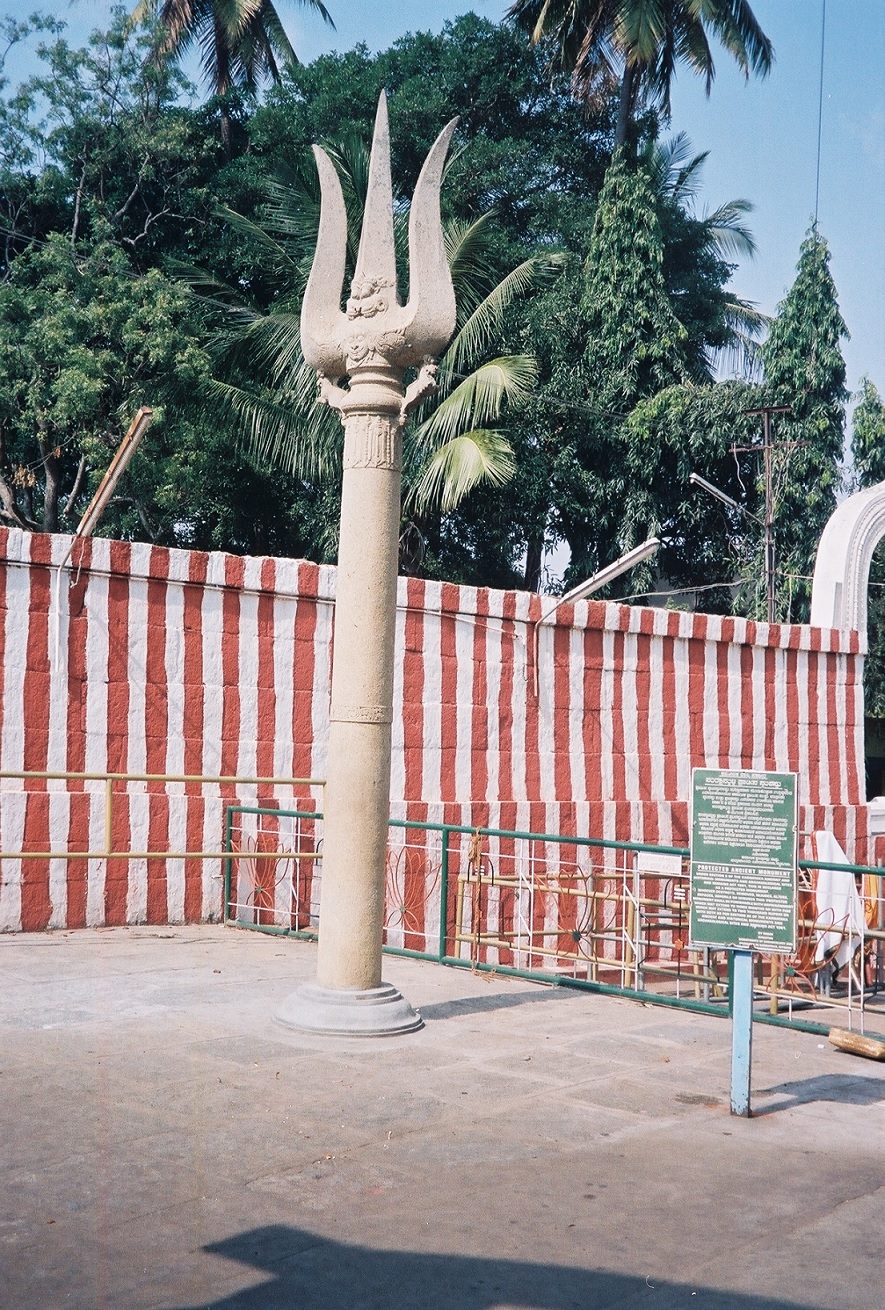
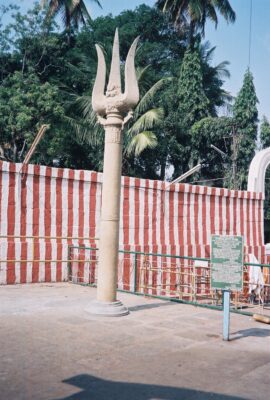
A trident outside Gavigangadareswara temple in Bangalore mystery of india
A trident outside Gavigangadareswara temple in Bangalore mystery of India. Image courtesy Wikimedia commons

As soon as visitors approach the Gavi Gangadhareshwara Temple, they are struck by its impressive architecture. The temple is carved out of a natural monolith rock, with the inner sanctum located inside a cave within the rock. This unique design creates a peaceful and serene atmosphere, inviting visitors to step inside and experience the holiness of the site.

But the architectural wonders of the temple don’t stop there. In the forecourt, visitors will find a series of granite pillars, each one featuring its own intricate carvings and symbols. Two of the pillars support large stone discs that represent the sun and the moon, while the other two pillars feature a trident and a two-headed drum – both significant possessions of Lord Shiva.

However, the main architectural significance of the Gavi Gangadhareshwara Temple lies in the creation of the cave and the placement of the stone discs. These elements are carefully positioned in such a way that they allow the sun to illuminate the Shivalinga within the inner sanctum for just one hour every year. This rare and beautiful event draws visitors from far and wide, all eager to witness the sun’s rays shining upon the sacred stone.

Overall, the Gavi Gangadhareshwara Temple is a true testament to the skill and creativity of its creators. Its unique design and symbolic elements make it a must-see destination for anyone interested in Indian architecture and spirituality.

Magical Sun Event of the Gavi Gangadhareshwara Temple

Every year (on the 14th of January), visitors to the Gavi Gangadhareshwara Temple are treated to a truly magical event – the illumination of the Shivalinga by the sun’s rays. This rare and beautiful phenomenon is made possible by the temple’s unique architecture and the precise positioning of its elements.

As the sun rises on a particular day, its rays pass through a small opening in the cave and onto the Shivalinga, bathing it in a golden light. This event is said to be a blessing from Lord Shiva himself, and it is believed that those who witness it will receive blessings and good fortune.

The annual illumination of the Shivalinga is just one example of the magic that can be found at the Gavi Gangadhareshwara Temple. Visitors will also be enchanted by the peaceful atmosphere, the intricate carvings and symbols, and the sense of history and cultural significance that surrounds the site.

Whether you are a spiritual seeker or simply someone who appreciates beauty and wonder, the Gavi Gangadhareshwara Temple is a must-visit destination. Make sure to mark your calendar and plan your trip to experience the magic of this incredible temple!

The Gavi Gangadhareshwara Temple also hosts Makar Sankranti!

The Gavi Gangadhareshwara Temple is not just a beautiful and spiritual site, it is also a hub of cultural activity and celebration. One of the most significant events held at the temple is Makar Sankranti, a Hindu festival that marks the beginning of the sun’s northward journey.

Makar Sankranti is celebrated on January 14th every year and is a time of joy and festivity for Hindus all over the world. At the Gavi Gangadhareshwara Temple, the festival is marked by special prayers and rituals, as well as traditional music and dance performances.

But Makar Sankranti is about more than just celebrations – it is also a time for charity and goodwill. Many visitors to the temple take this opportunity to make donations and offer their blessings to those in need.

If you are in Bangalore during the time of Makar Sankranti, be sure to visit the Gavi Gangadhareshwara Temple and experience the joy and cultural significance of this special festival. You will leave feeling uplifted and inspired, and with a renewed sense of connection to the rich and diverse traditions of Hinduism.

How to reach the Gavi Gangadhareshwara Temple?

Located in the bustling city of Bangalore in Kempegowda Nagar, the Gavi Gangadhareshwara Temple is easily accessible from a variety of transportation options.

Whether you are coming from within India or from abroad, you will find it easy to reach this beautiful and spiritual destination.

  • For those arriving by air, the international airport in Bangalore is a major hub that connects the city to other major cities within and outside of India. Many airlines offer regular flights to and from Bangalore, making it easy to plan your trip.
  • If you prefer to travel by rail, the railway station in Bangalore is well-connected to other parts of the country. There are many trains operating out of the station, so you can easily plan your journey to fit your schedule.
  • If you are already in Bangalore and simply looking to reach the Gavi Gangadhareshwara Temple, there are plenty of options for local transportation. You can hire a taxi, take a local bus, or catch an auto-rickshaw to get to the temple.

No matter how you choose to travel, you will find it easy to reach this beautiful and spiritual destination!

Gavi Gangadhareshwara Temple Timings

If you are planning a visit to the Gavi Gangadhareshwara Temple, it is important to know the temple’s timings so that you can plan your trip accordingly. The temple is open every day, with two separate periods of operation – morning and evening.

In the morning, the temple is open from 6:00 a.m. to 11:00 a.m. This is a popular time to visit, as many devotees come to offer their prayers and participate in the daily rituals. The peaceful atmosphere and the chance to witness the morning prayers make this a particularly special time to visit.

In the evening, the temple is open from 5:30 p.m. to 8:30 p.m. This is a more relaxed time to visit, and it is a great option for those who prefer to avoid the heat of the day. The evening is also a beautiful time to visit, as the temple is illuminated by the warm glow of lanterns and candles.

No matter when you choose to visit, you are sure to find the Gavi Gangadhareshwara Temple to be a peaceful and spiritual destination. Whether you are a devout follower or simply someone seeking a sense of peace and tranquility, this beautiful temple is sure to provide a welcome respite from the hustle and bustle of daily life!

Shivoham Shiva Temple- History, Popular Attractions, Rituals and Temple Timings!

Shivoham Shiva Temple- History, Popular Attractions, Rituals and Temple Timings!

The Shivoham Shiva Temple is a sacred Hindu shrine located in the heart of Bengaluru’s Kempfort Mall parking lot! It is a revered place of worship for devotees of Lord Shiva, one of the most important deities in the Hindu pantheon. The temple is known for its beautiful architecture and quiet atmosphere, which make it a popular place for tourists and people looking for spiritual growth.

The history of the Shivoham Shiva Temple dates back centuries, with the original structure believed to have been built in 1995. Over the years, the temple has undergone several renovations and expansions, with the current building being the result of renovations in 2015–16. Despite these changes, the temple has maintained its traditional style and cultural significance.

So, today in this article, let’s learn more about the history and architectural significance of this divine shrine!

The Interesting History Behind the Shivoham Shiva Temple!

The Shivoham Shiva Temple, formerly known as the Shiv Mandir, has a rich and fascinating history that dates back to 1995. It all began when the founder of the temple had a vision of a grand temple where a massive statue of Lord Shiva would stand tall as a beacon of hope and faith for generations to come. Determined to bring this vision to life, the founder set out to build the temple with the help of renowned sculptor Kashinath, who was tasked with creating the idol of Lord Shiva.

What makes this temple particularly unique is that it was built without the use of a blueprint or plan, relying instead on the founder’s vision and the skill of the craftspeople involved. In February 1995, the temple was finally consecrated by Sri Shankaracharya of Sringeri, marking a significant milestone in its history. Since then, the Shivoham Shiva Temple has served as a place of worship and spiritual contemplation for Hindus from all walks of life.

However, in 2016, the temple underwent a transformation when it was renamed from its former name, Shiv Mandir, to Shivoham Shiva Temple. Along with the name change came a shift in focus, with the temple now dedicated to helping people attain Moksha, or spiritual liberation, through the study and understanding of ancient Vedic texts.

Today, the Shivoham Shiva Temple stands as a testament to the enduring power of faith and the human spirit. Its beautiful statue of Lord Shiva and peaceful atmosphere continue to draw worshippers and tourists from all over the world, making it a truly special and revered place!

Deity Statutes in the Shivoham Shiva Temple

1. 65-foot-tall Shiva Statue

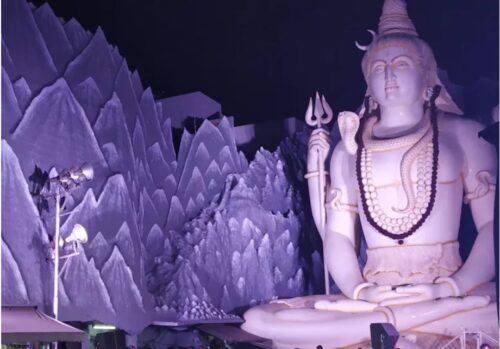
At the heart of the Shivoham Shiva Temple stands a stunning 65-foot-tall statue of Lord Shiva, the central deity of the temple. The statue is a sight to behold, with intricate details and a serene expression that exudes a sense of calm and peace.

Visitors to the temple can’t help but feel awed by the sheer size and grandeur of the statue, which serves as a reminder of the power and majesty of Lord Shiva.

Shivoham Shiva Temple- History, Popular Attractions, Rituals and Temple Timings Mystery of India

2. 32-foot-tall Ganesh Statue

In addition to the 65-foot-tall Shiva statue, the Shivoham Shiva Temple also features a 32-foot-tall statue of Lord Ganesh, the elephant-headed deity who is revered as the remover of obstacles.

The statue is beautifully crafted, with every detail meticulously carved to capture the essence of Lord Ganesh. At this shrine, people can pray to the god and give gifts to get his or her blessings for a smooth and successful journey through life.

3. 25-foot-tall Shiva Ling

For devotees of Lord Shiva, the Shivoham Shiva Temple also features a 25-foot-tall Shiva Ling, a sacred stone that represents the deity in the form of a phallus. The Shiva Ling is considered a symbol of fertility and creation and is revered as a sacred object of worship.

When people go to the temple, they can pay their respects and pray at the Shiva Ling, asking Lord Shiva to bless them with a happy, full life.

Rituals Offered at the Shivoham Shiva Temple

1. Pahadi Shiv Dham Yatra

The Shivoham Shiva Temple is home to a popular ritual known as the Pahadi Shiv Dham Yatra, a spiritual journey that takes devotees on a trek through the mountains to visit various holy sites dedicated to Lord Shiva.

This yatra, or pilgrimage, is believed to bring good fortune and spiritual enlightenment to those who undertake it. On the way, participants will stop at a number of temples and holy places, and the trip will end with a stop at the Shivoham Shiva Temple.

2. Barah Jyotir Ling Yatra

Another popular ritual offered at the Shivoham Shiva Temple is the Barah Jyotir Ling Yatra, a journey to visit the twelve most sacred Jyotir Linga sites in India.

These sites are believed to be the holiest places to worship Lord Shiva, and visiting them is said to bring great blessings and spiritual fulfillment. Participants in the yatra will go to each of the twelve places, ending with the Shivoham Shiva Temple.

3. Ganga Snaan

The Shivoham Shiva Temple is also home to the Ganga Snaan ritual, in which devotees take a holy bath in the sacred waters of the Ganges river.

This ritual is believed to purify the mind, body, and soul and is said to bring blessings and spiritual liberation. The Ganga Snaan ritual is usually done during the Maha Shivratri festival and other happy times.

4. Maha Shivratri

Maha Shivratri is a major festival celebrated at the Shivoham Shiva Temple, honoring the deity Lord Shiva. On this day, devotees flock to the temple to offer their prayers and make special offerings to the deity.

The festival is marked by various rituals and ceremonies, including the Ganga Snaan and the lighting of special lamps. During Maha Shivratri, people who go to the temple will find it lively and full of celebration. They will hear devotional music and smell incense.

Light and Sound Show at the Shivoham Shiva Temple

Experience the divine in a whole new way with the Light and Sound Show at the Shivoham Shiva Temple. Every evening at 7:00, 8:00, and 9:00 p.m., the temple transforms into a mesmerizing spectacle of light and sound that brings the stories and teachings of Lord Shiva to life. Everyone who sees this one-of-a-kind show will remember it forever. It gives a glimpse into the rich and lively culture of Hinduism.

As you step inside the temple, you’ll be transported to a world of wonder and enchantment. The walls and ceiling are alive with vibrant displays of light and color, depicting scenes from Hindu mythology and the life of Lord Shiva. The show tells the story of Lord Shiva and his role in the universe. It is set to a beautiful soundtrack of devotional music and gives a fascinating look into Hindu beliefs and traditions.

Whether you are a devout follower of Lord Shiva or simply seeking a unique cultural experience, the Light and Sound Show at the Shivoham Shiva Temple is not to be missed. So come to this holy place and get lost in its divine beauty and wisdom to learn about the power of faith and devotion.

How to reach the Shivoham Shiva Temple and What are the temple timings?

Located on the Old Airport Road in Bengaluru, the Shivoha Shiva Temple is easily accessible by a wide range of public transport options. Visitors can take an autorickshaw or cab from any part of the city, or make their way to the temple on foot from the nearby Kemps Fort, one of the city’s most popular attractions.

For those traveling to Bengaluru by air, the Kempegowda International Airport (BLR) is the nearest airport, with radio cabs and prepaid taxis available to take you to the temple. The Shivoha Shiva Temple is also easily reached by train, with the Bangalore City Railway Station located just 12 km away. Alternatively, visitors can take the metro to the Indiranagar station and then catch an autorickshaw to the temple.

As far as temple timings go, the Shivoha Shiva Temple is open 24 hours a day, 7 days a week, making it a convenient destination for visitors at any time. So, whether you’re planning a quick stopover or an extended visit, the Shivoha Shiva Temple is always ready to welcome you with open arms!