
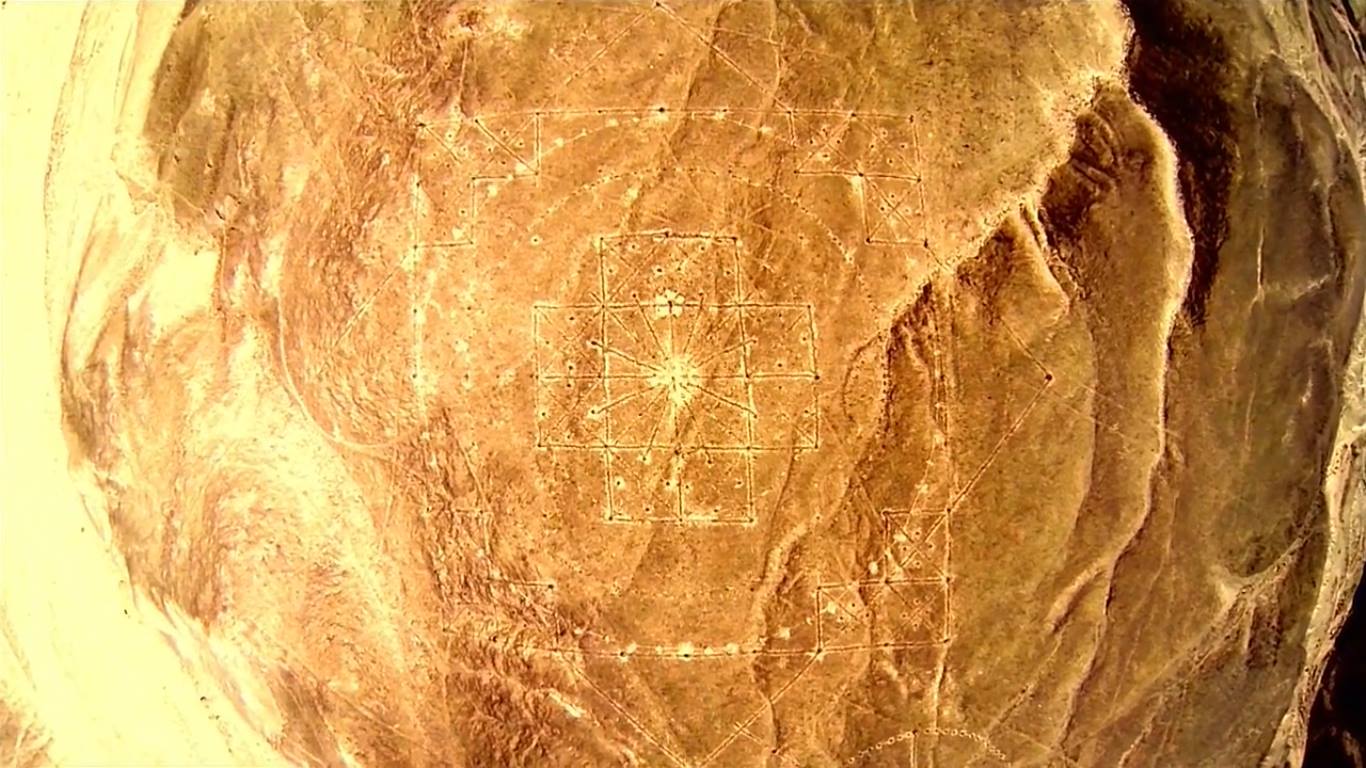
The Nazca Lines are a series of ancient geoglyphs located in the Nazca Desert in southern Peru. No one has proof as to who built them and what their function was. The geoglyphs depict living creatures, stylized plants and imaginary beings, as well as geometric figures several kilometers long.
Ancient Hindu Temples stand on a straight line
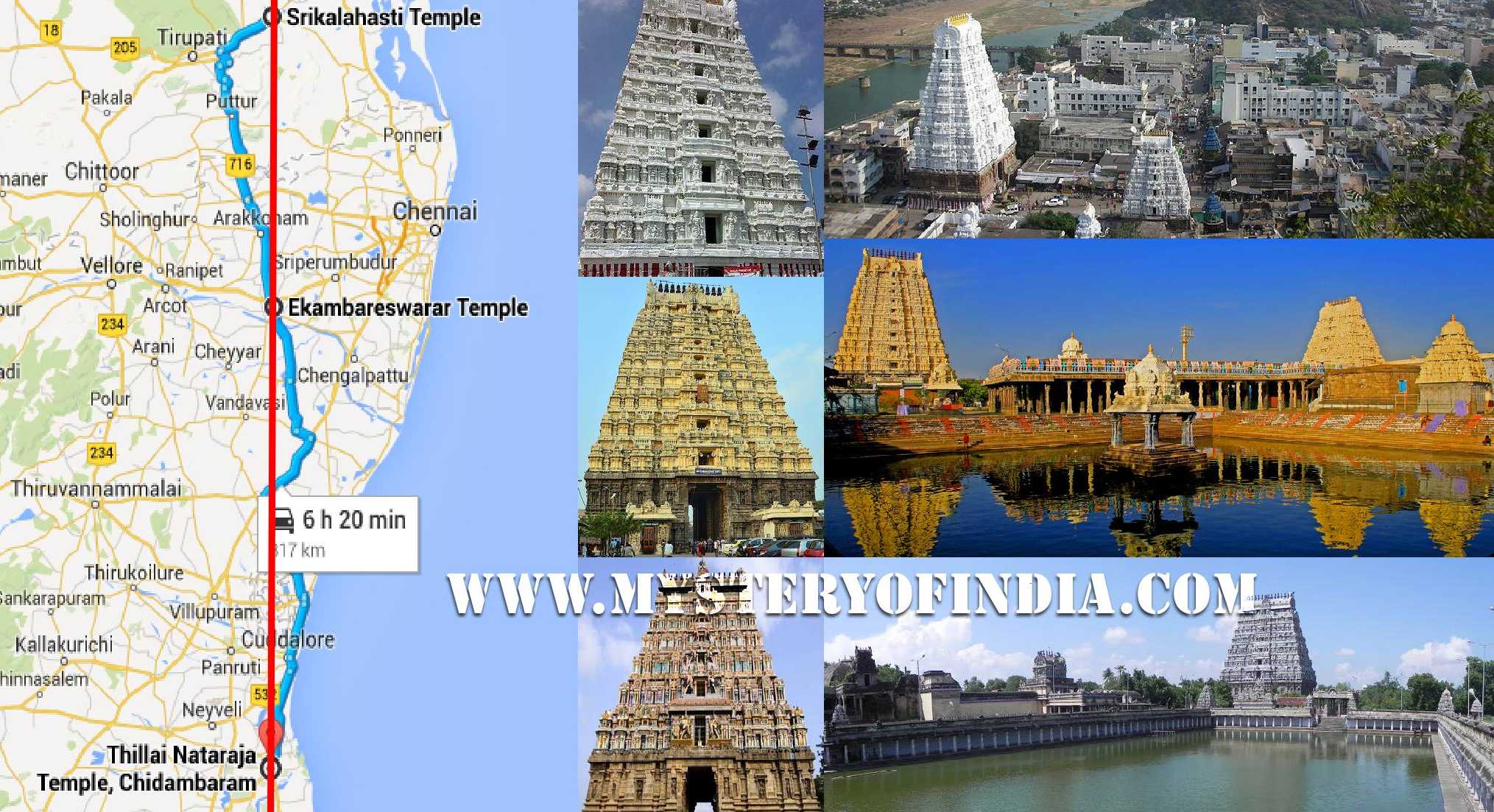
In Hinduism, Lord Shiva is regarded as the representation of the Supreme Being. He is known as the third element in the Hindu Trinity (Trimurti), the other two members being Lord Brahma – the creator and Lord Vishnu – the protector. He controls the 5 elements of nature named as the Pancha Bhoota – Earth, Water, Fire, Air and Space.
Chittorgarh – The Largest Fort In India
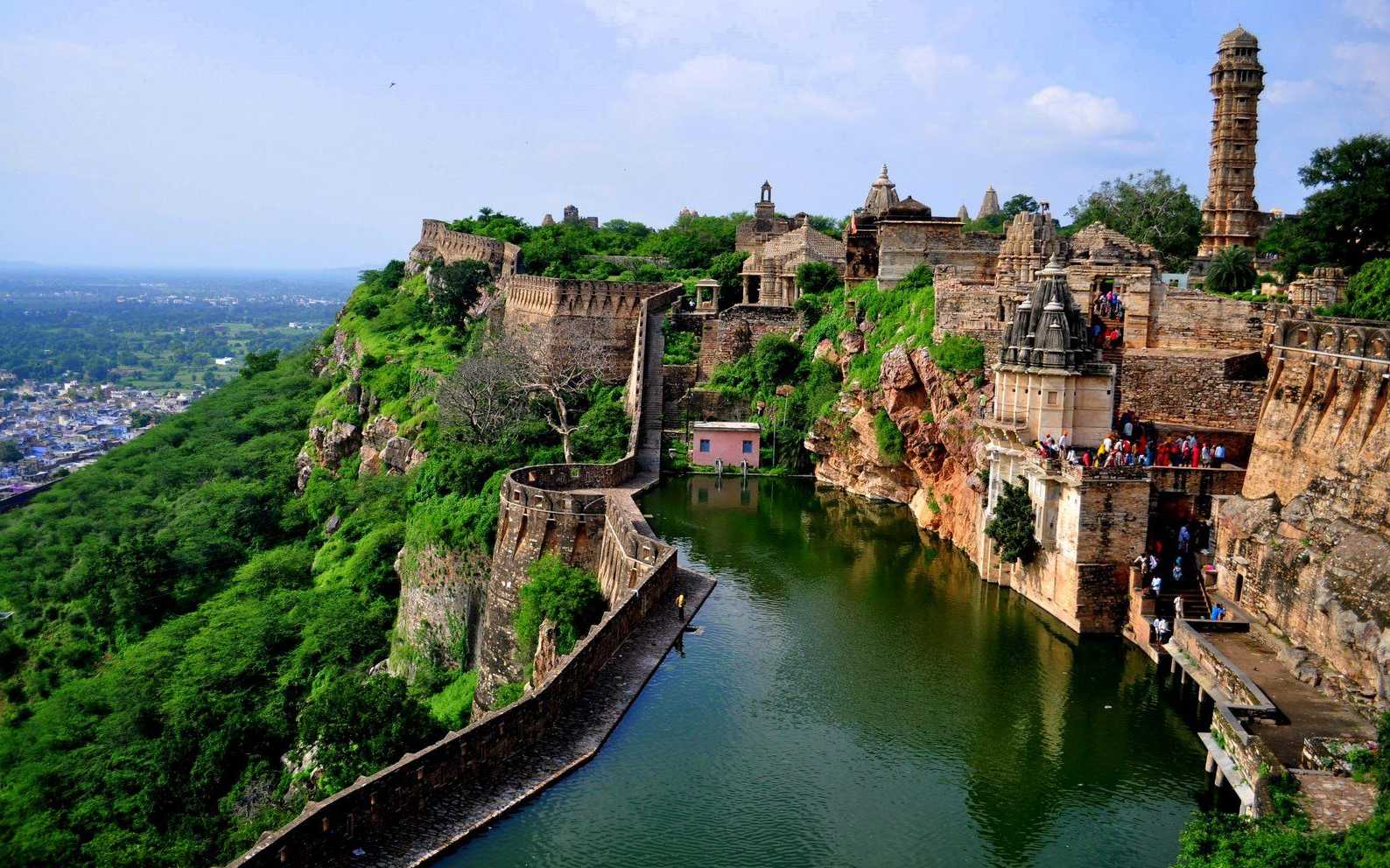
Chittorgarh is the largest fort complex in India which served as the capital of the kingdom of Mewar in Rajasthan. Donning as a World Heritage Site today, the fort has witnessed many rulers since 7th century.
The Chittorgarh fort, popularly known as Chittor, was the capital of Mewar and is today situated in Chittorgarh, Rajasthan. The formidable fort is perched atop a 180 meter high hillock near the Gambheri River and it covers an area of 700 acres, extending to 3 kms in length and 13 kms in peripheral length.
Astronomical Instruments of Bhaskaracharya
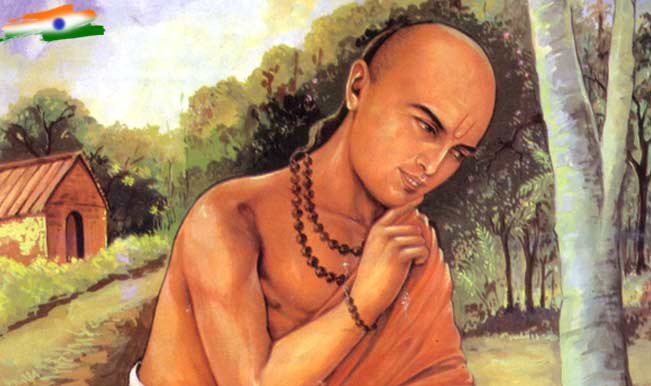
In India people had started the use of the astronomical instruments before 1000 BC. During this period one of the prominent books Surya Siddhanta was written for astronomical calculations. The content of this book is available but its author is not known. The title Surya Siddhanta means sun theory and it highlights the calculations of positions of stars and planets.
The Rock Cut Temples of Masroor
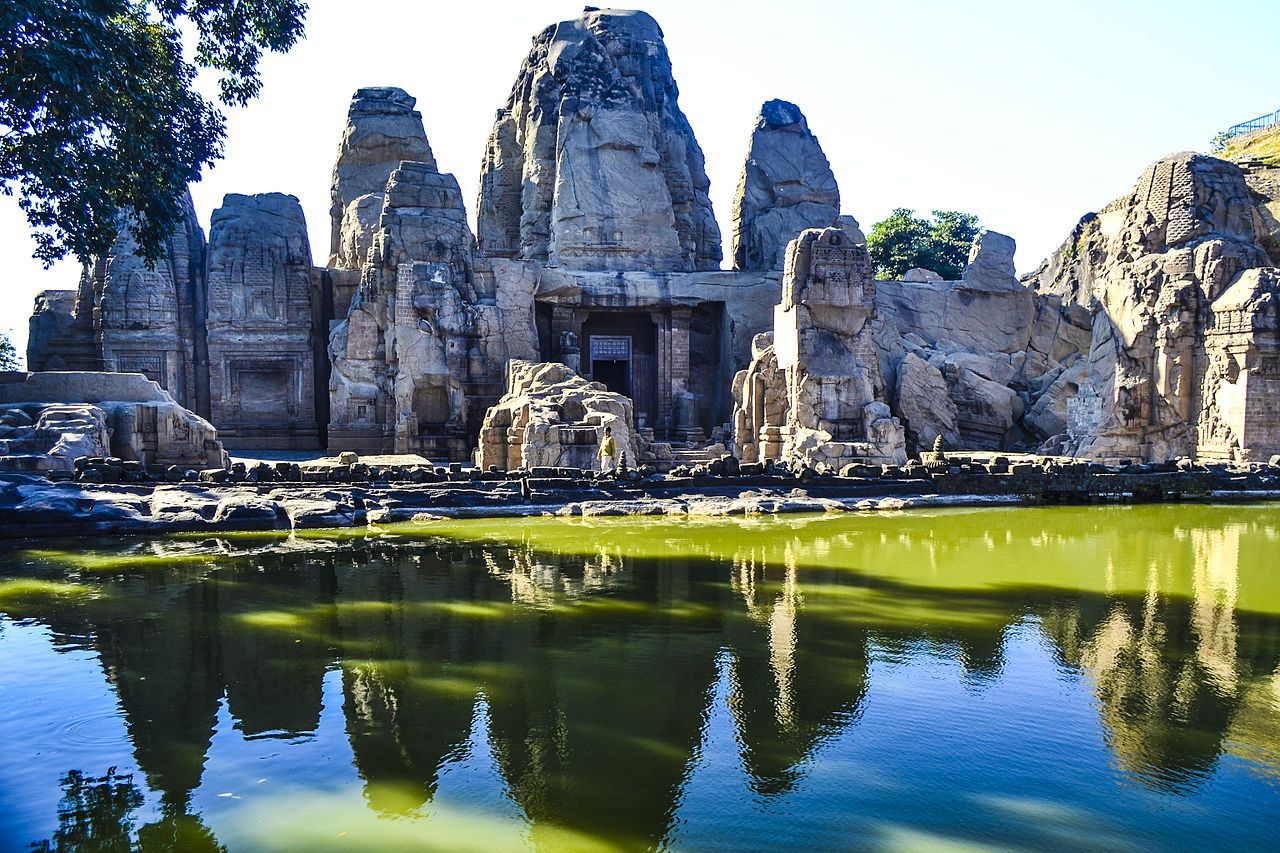
The Masroor temples is a unique monolithic structure and is also one of the most unexplored temples in Himachal Pradesh. It is a complex of single-rock-cut monolithic temples, in Nagara style, dated by art historians to 6–8th centuries. This holy shrine is located on the hill top at a height of about 2,500 ft from the sea level.
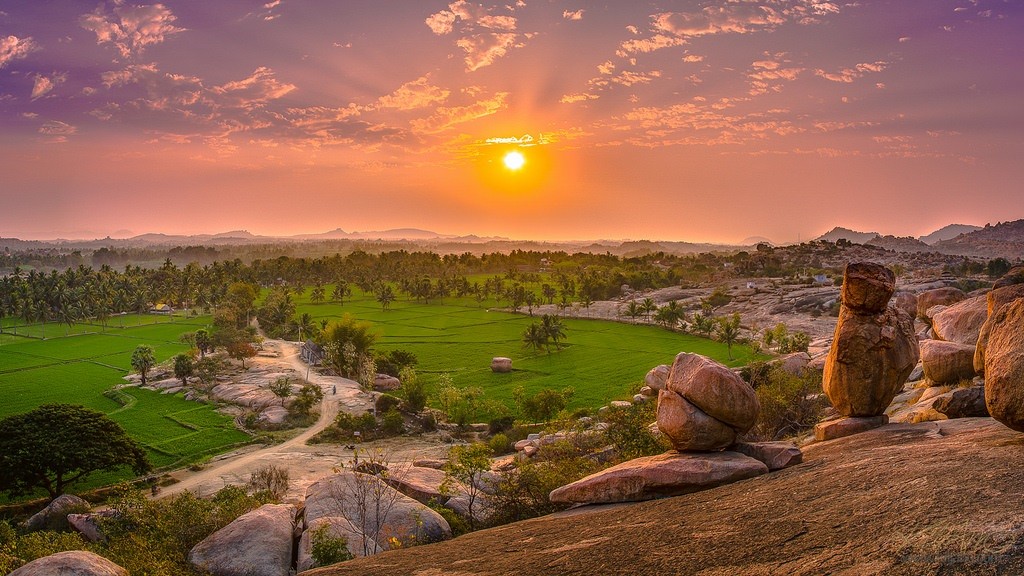
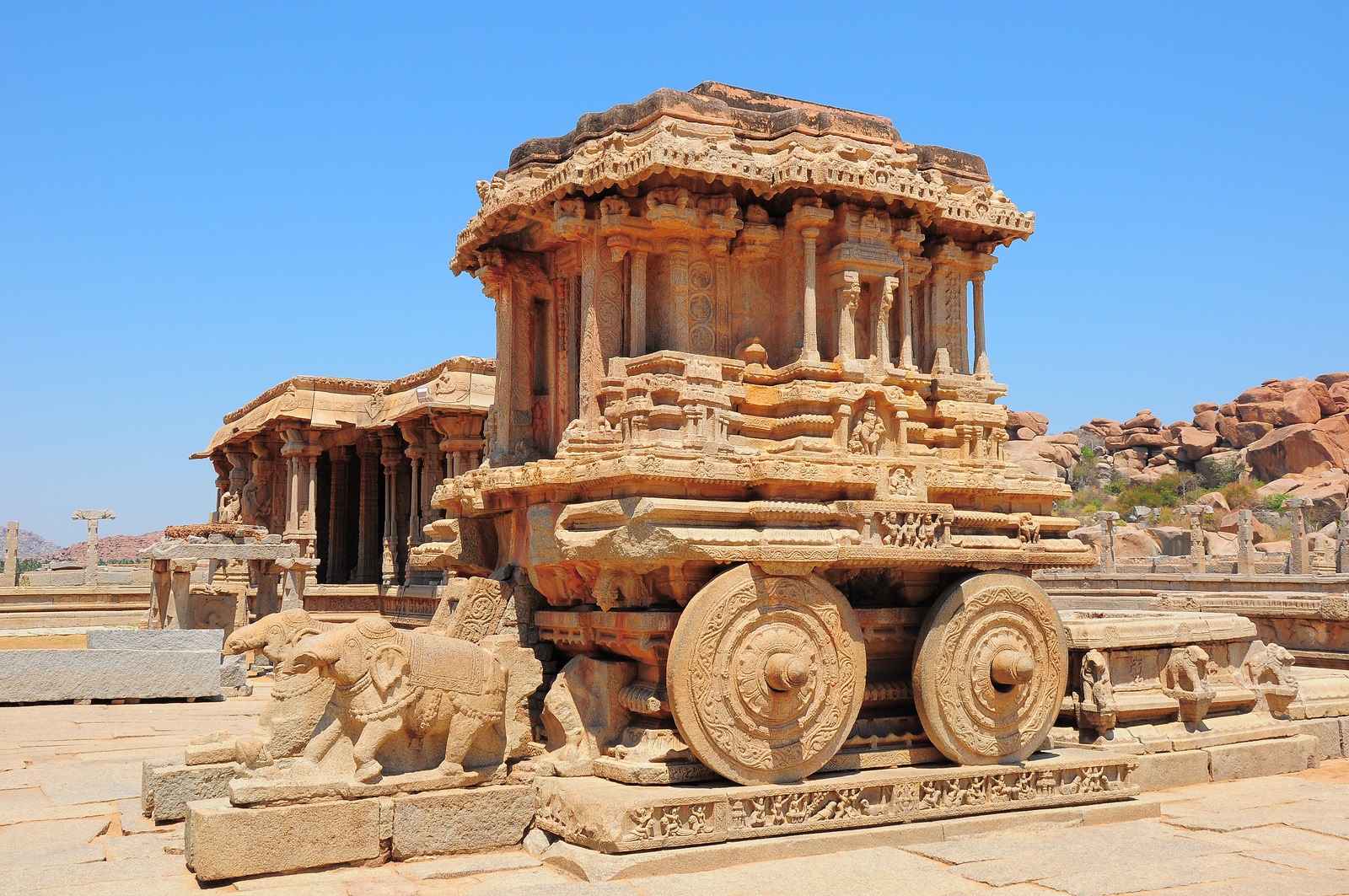
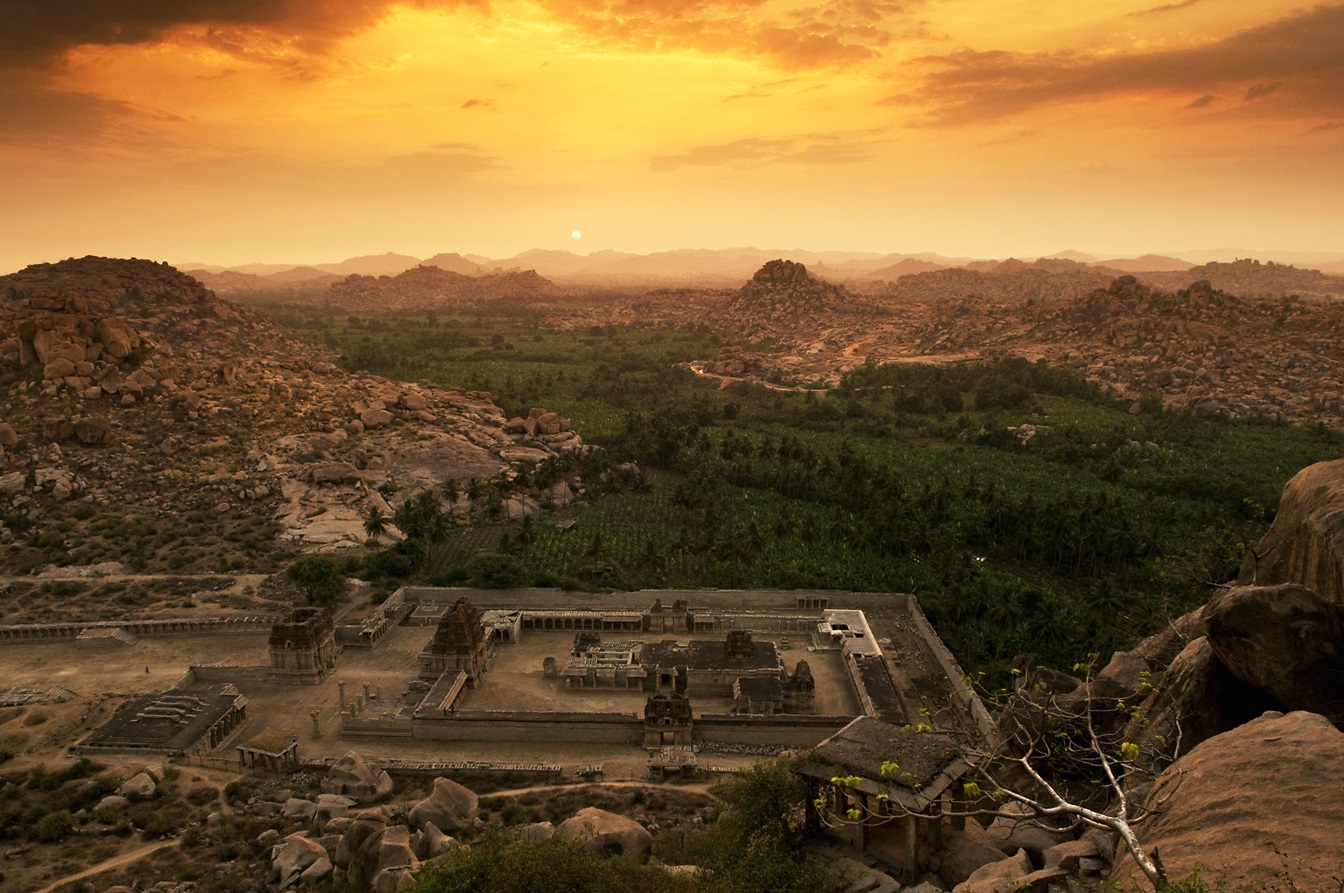
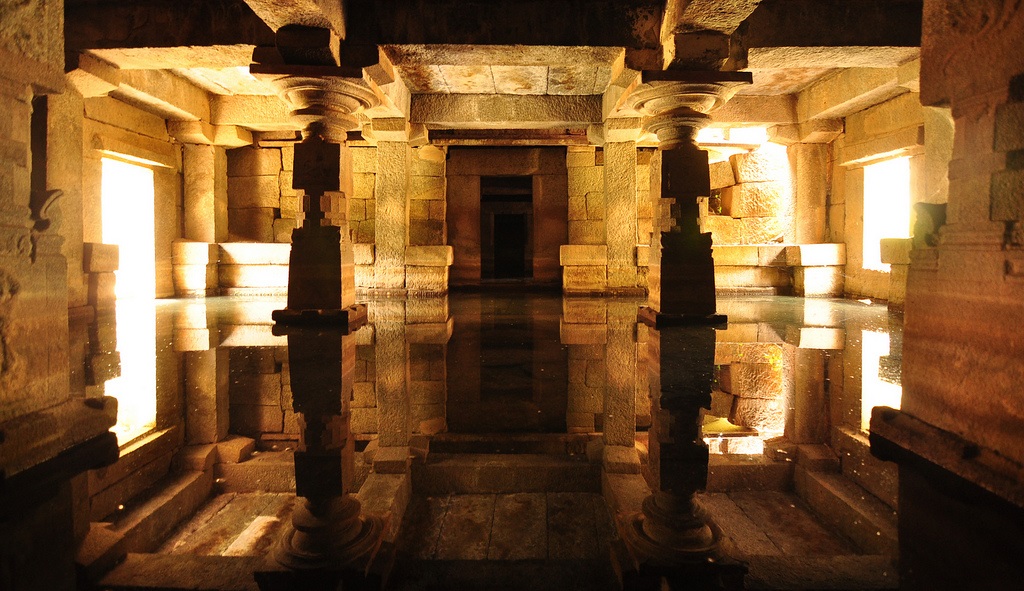
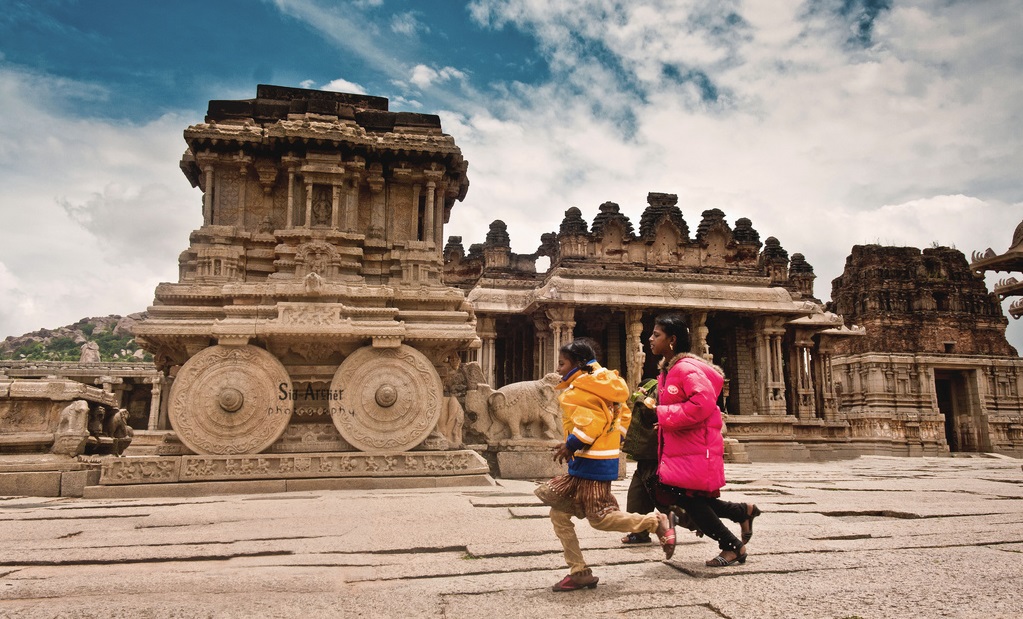
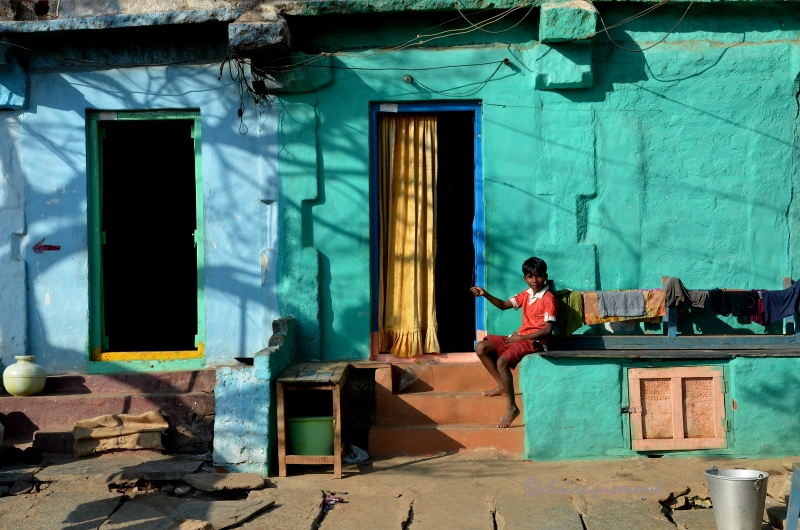
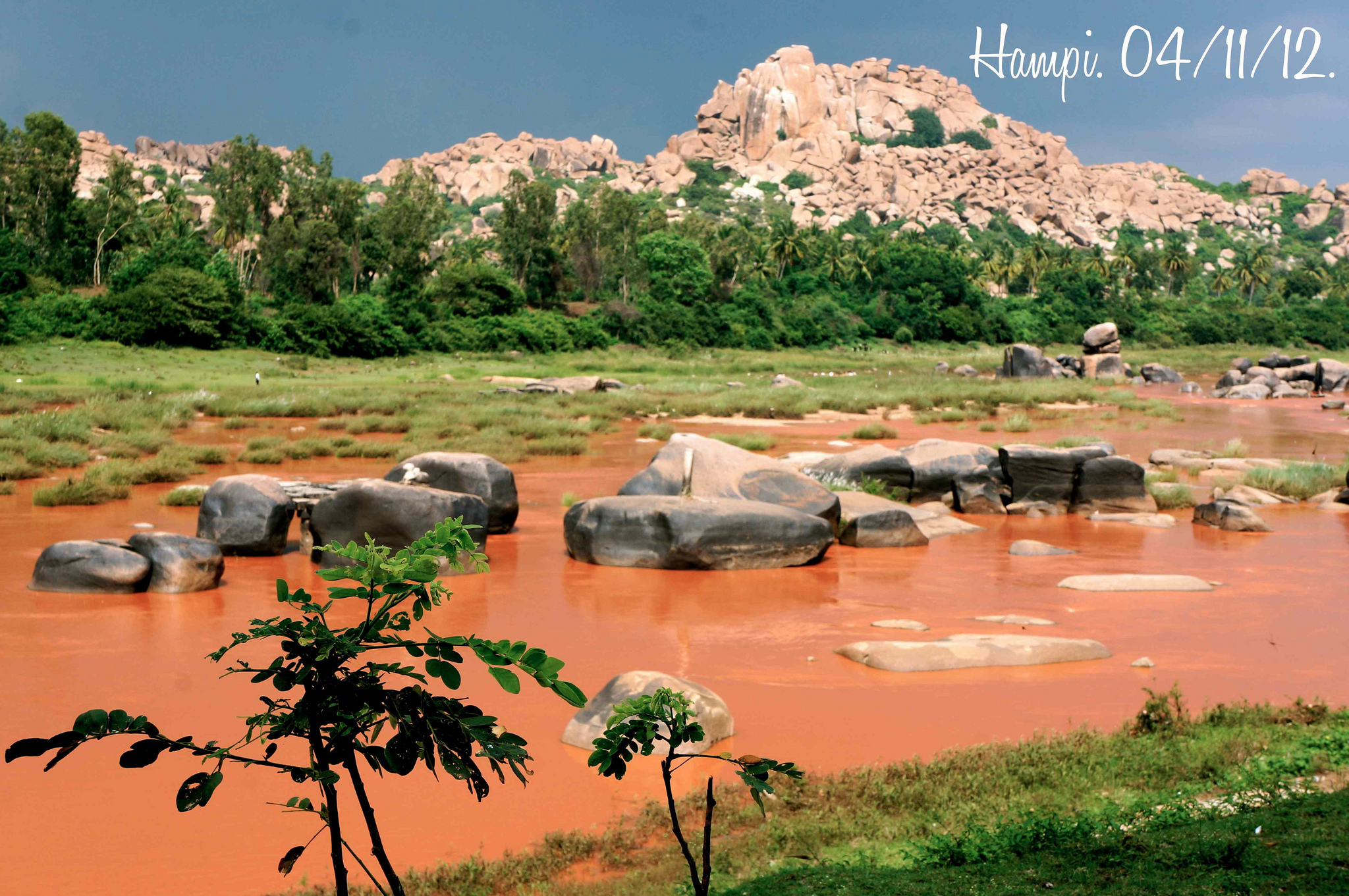
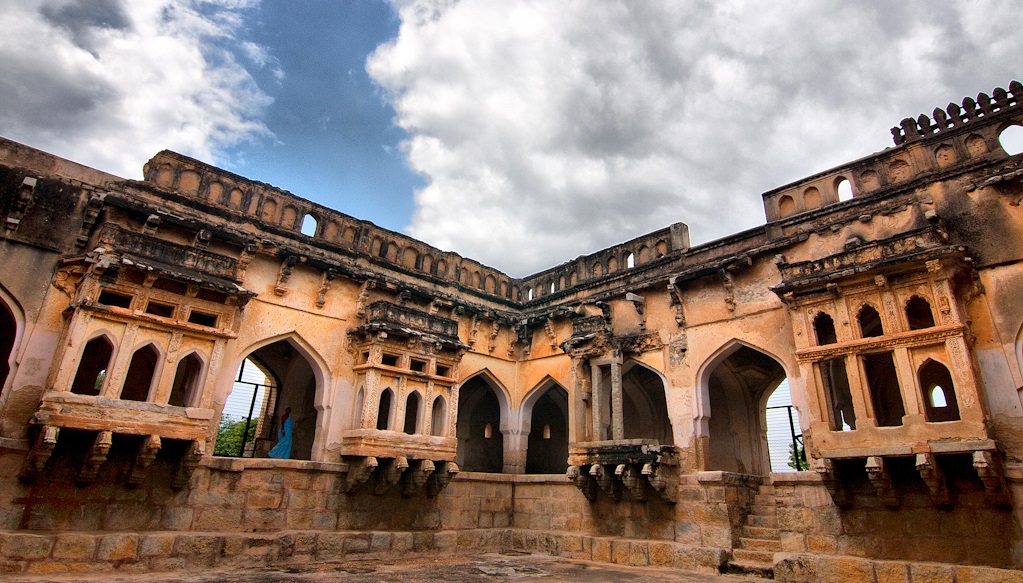
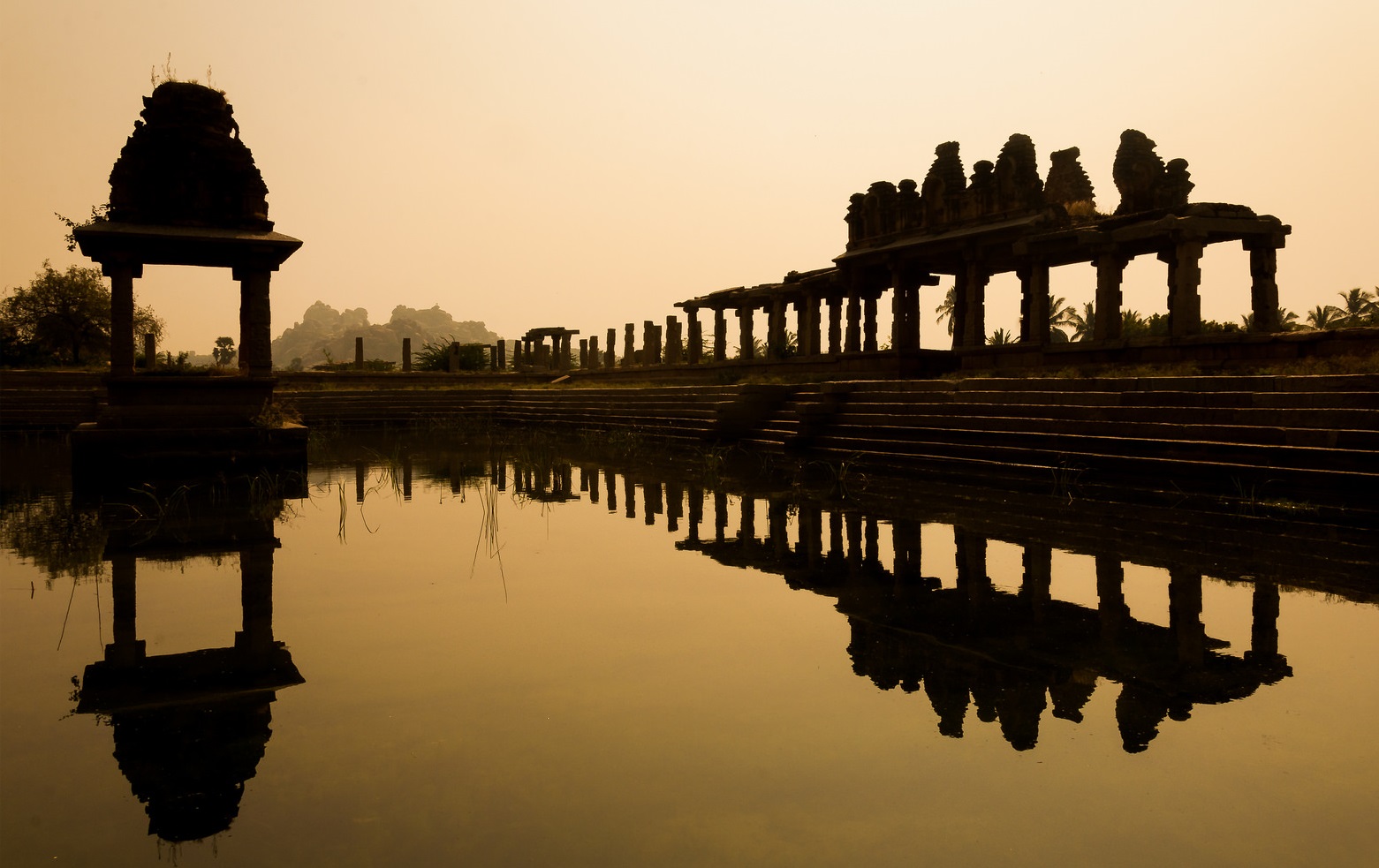
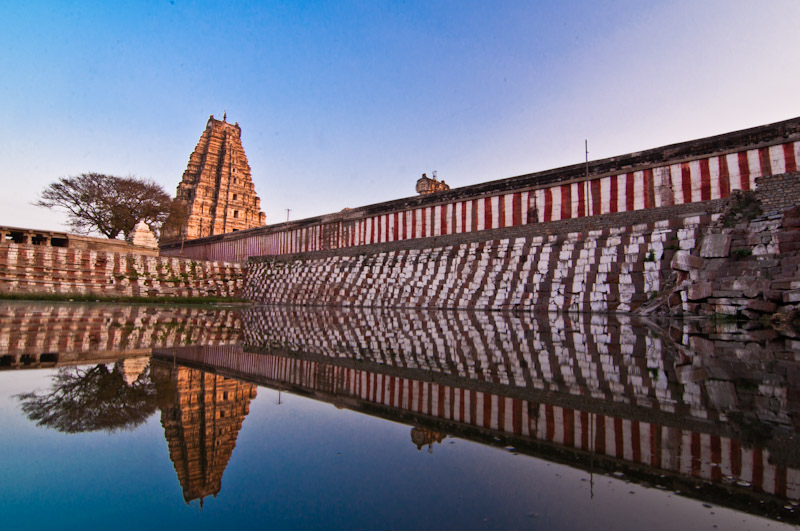
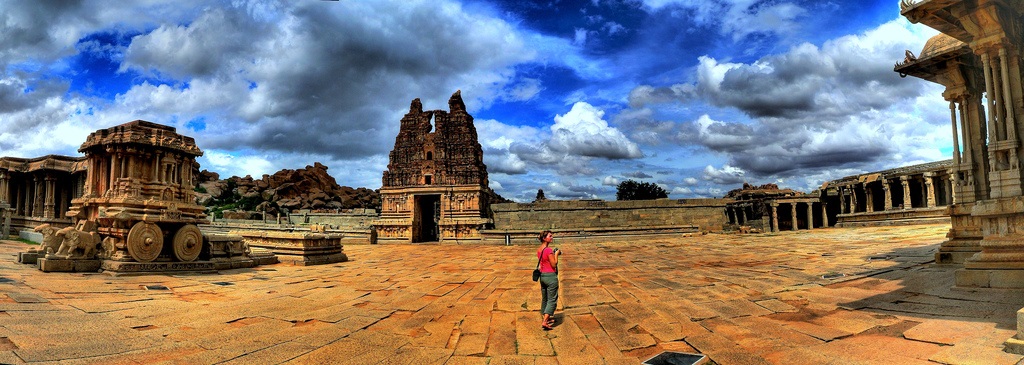
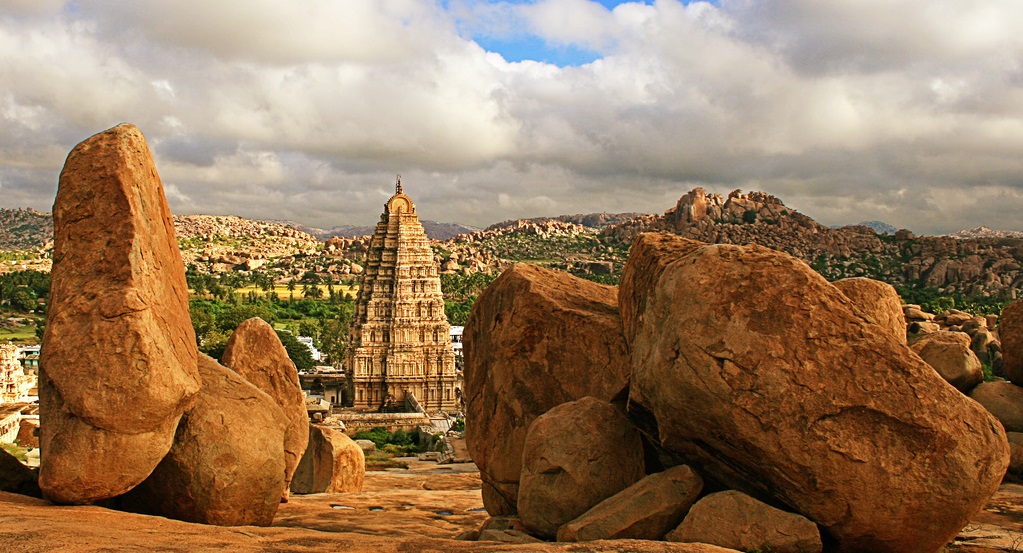
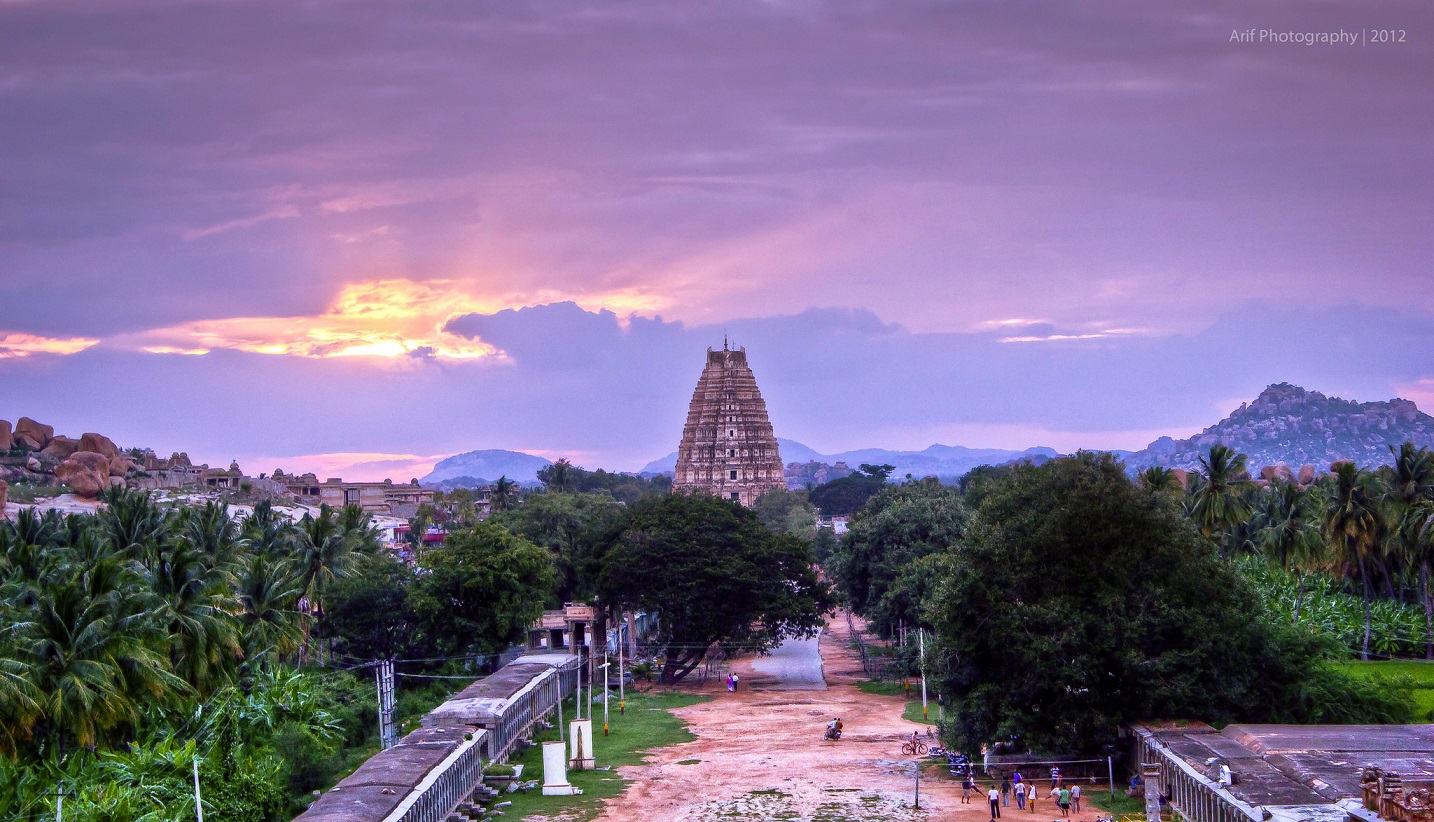
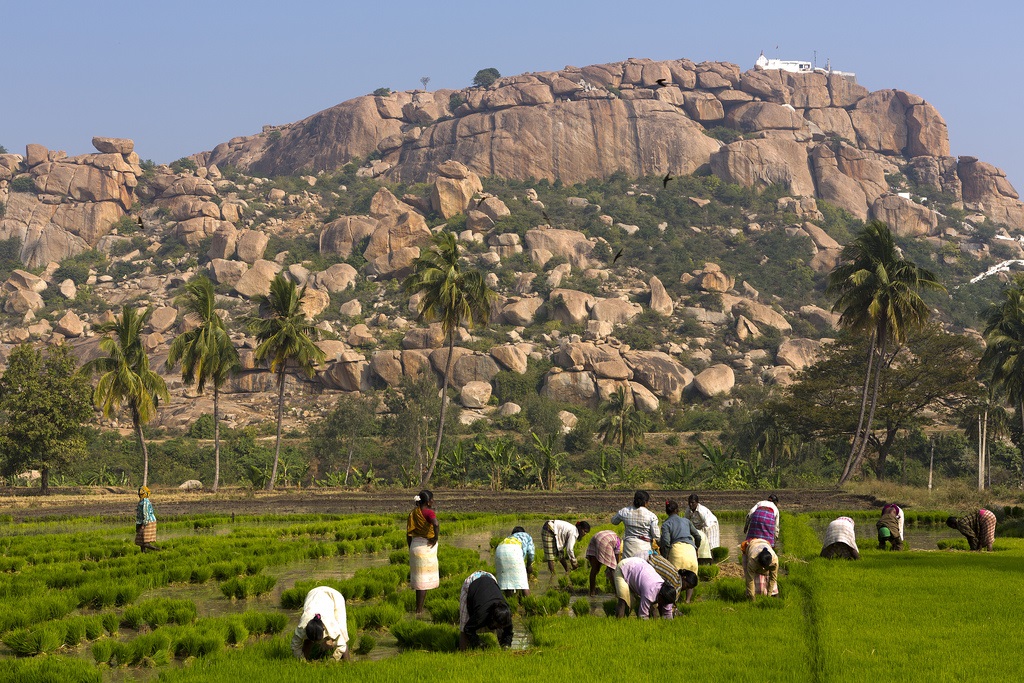
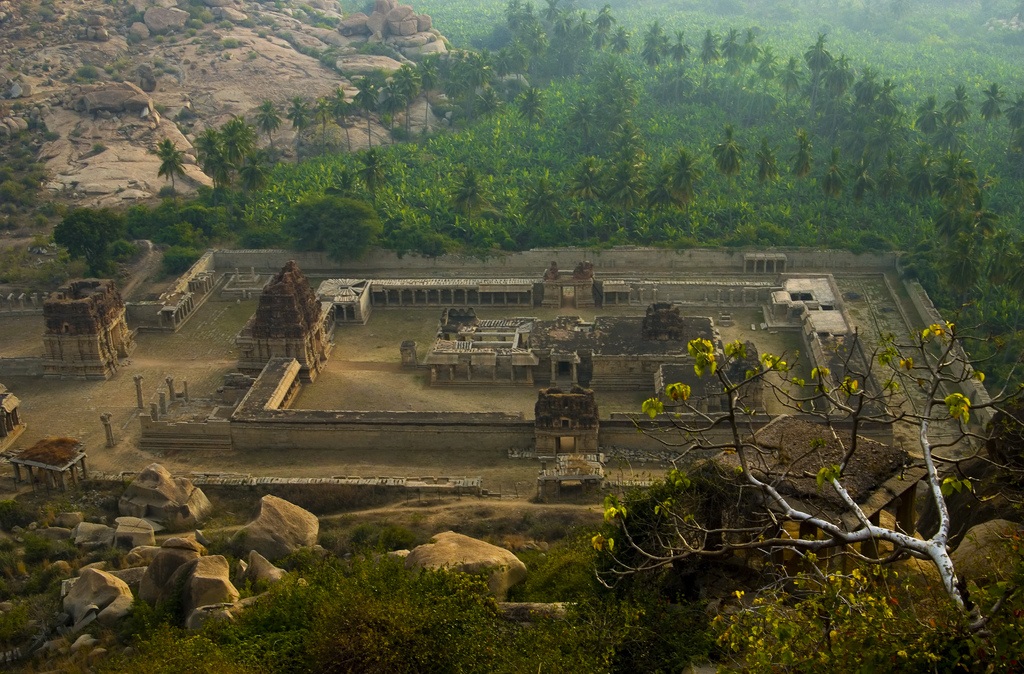
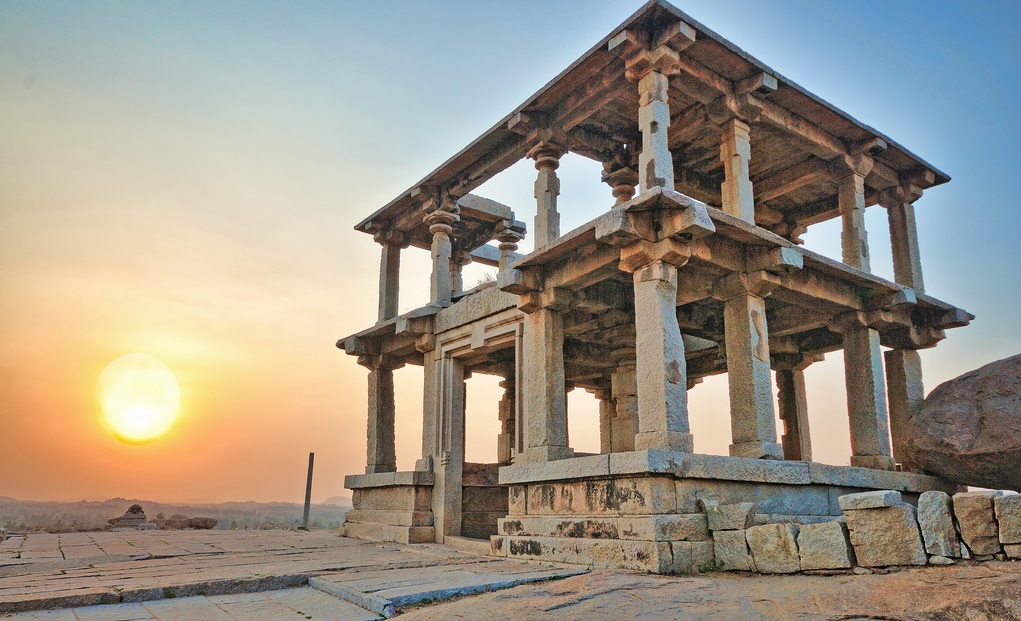
20 Beautiful and Amazing Photos of Hampi
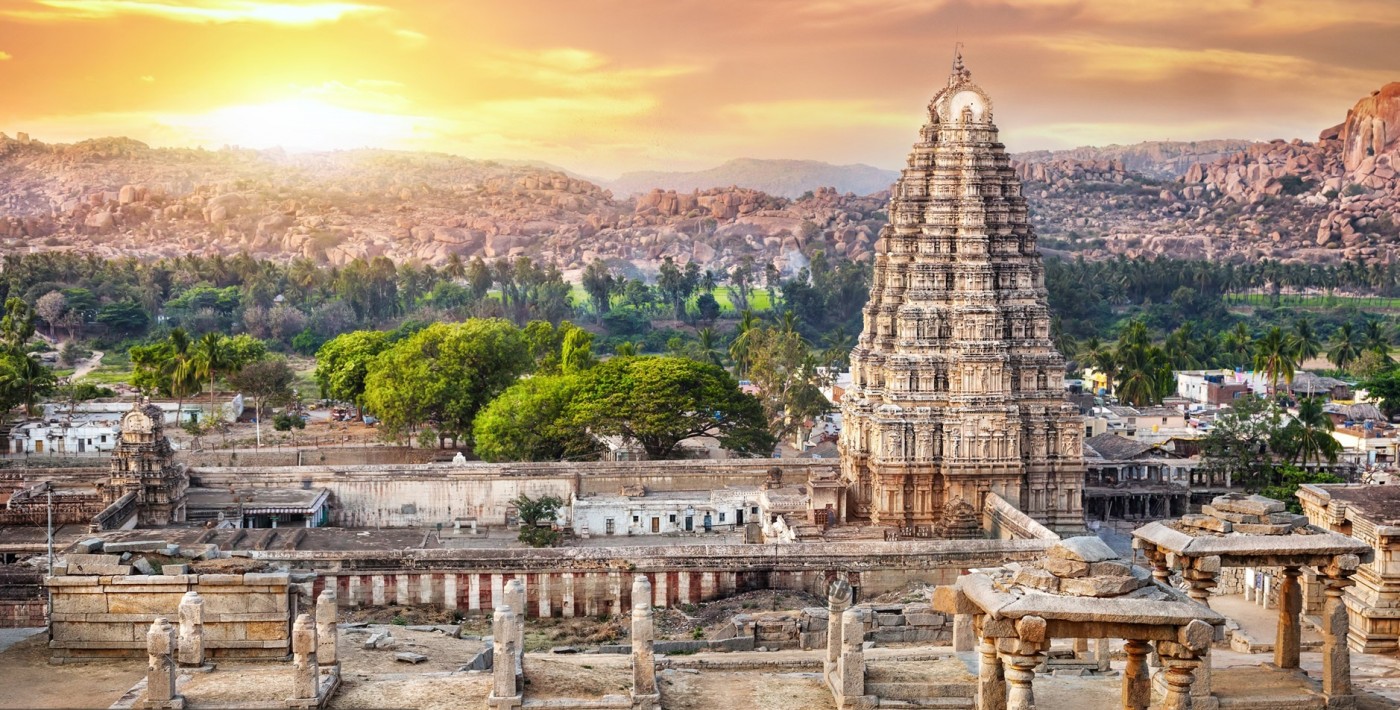
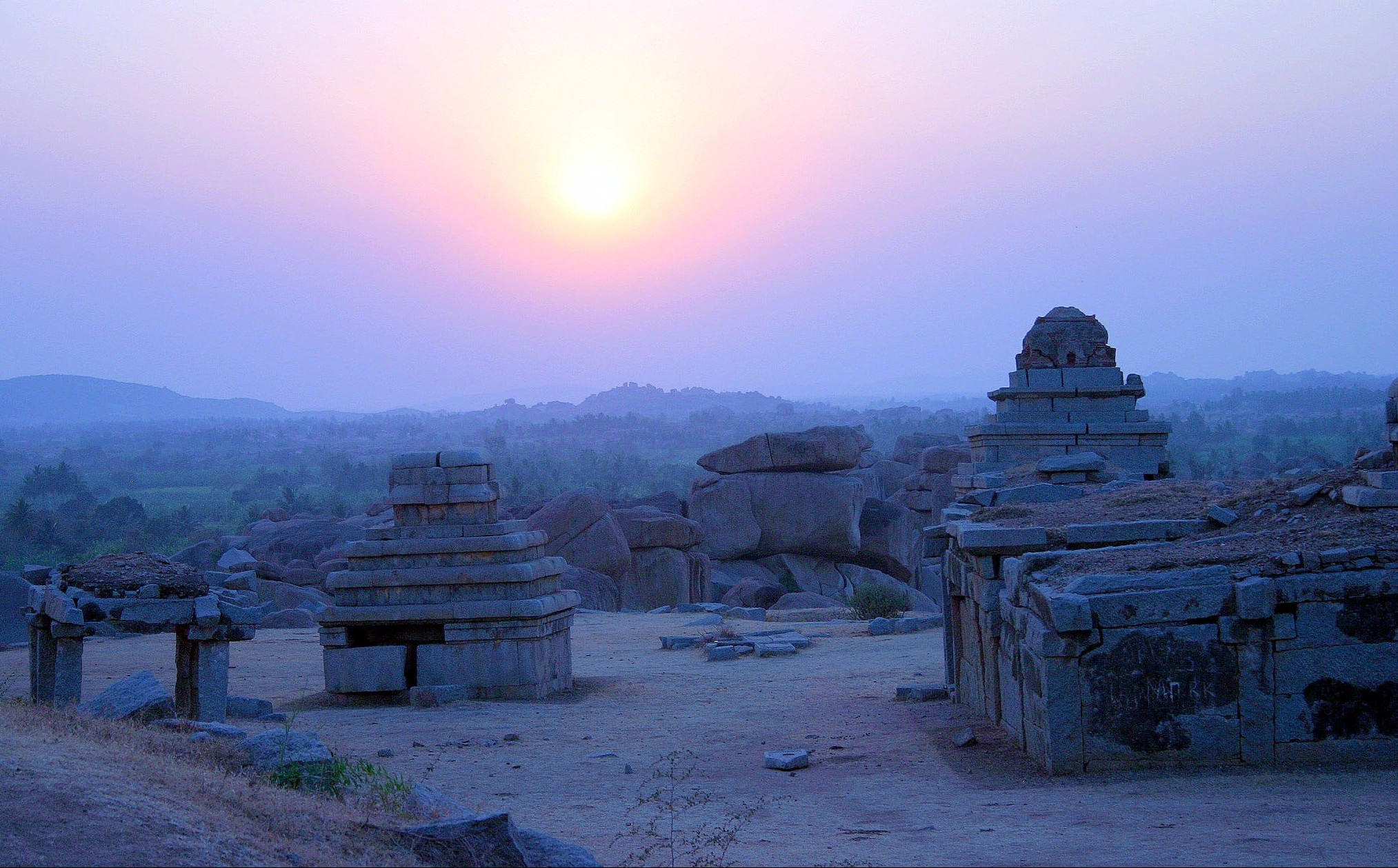
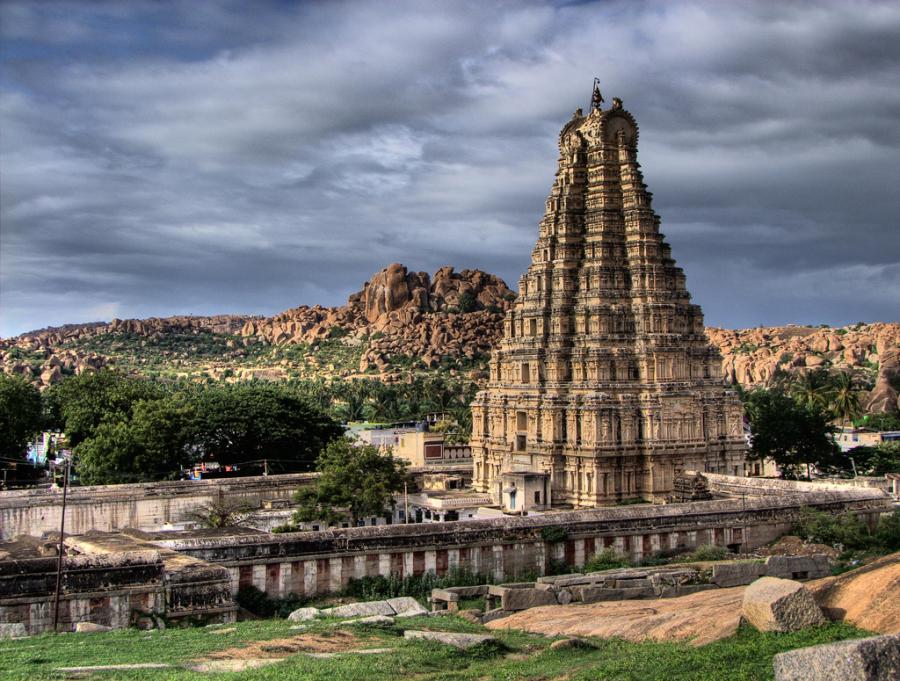
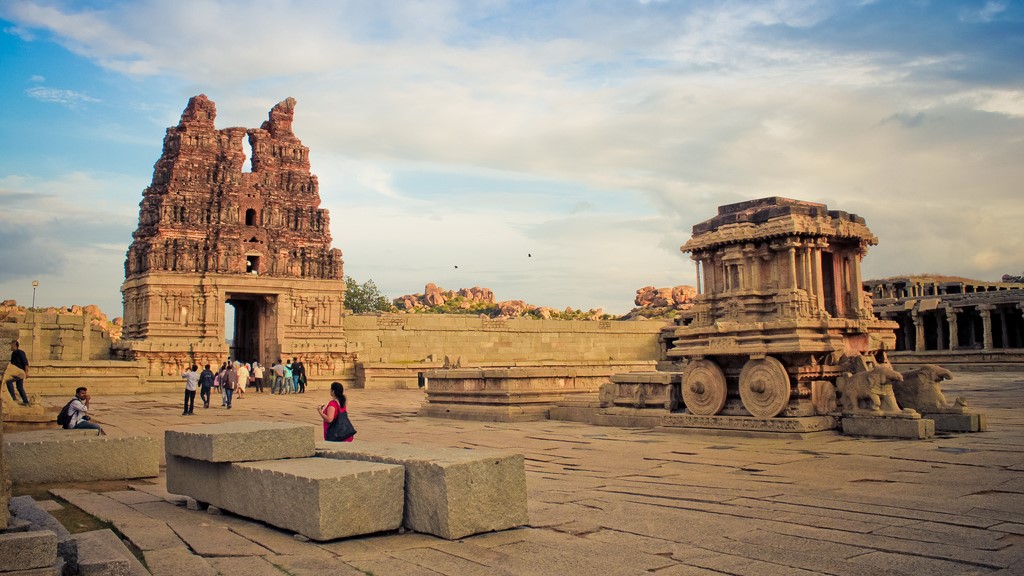
Ancient Vijayanagar, now known as the village of Hampi was the capital of the greatest and one of the most famed Hindu Kingdom of Vijaynagar. Located in the northern part of the state of Karnataka in South India, the village of Hampi has some extremely captivating ruins, intriguingly intermingled with large boulders that rear up all over the landscape.