

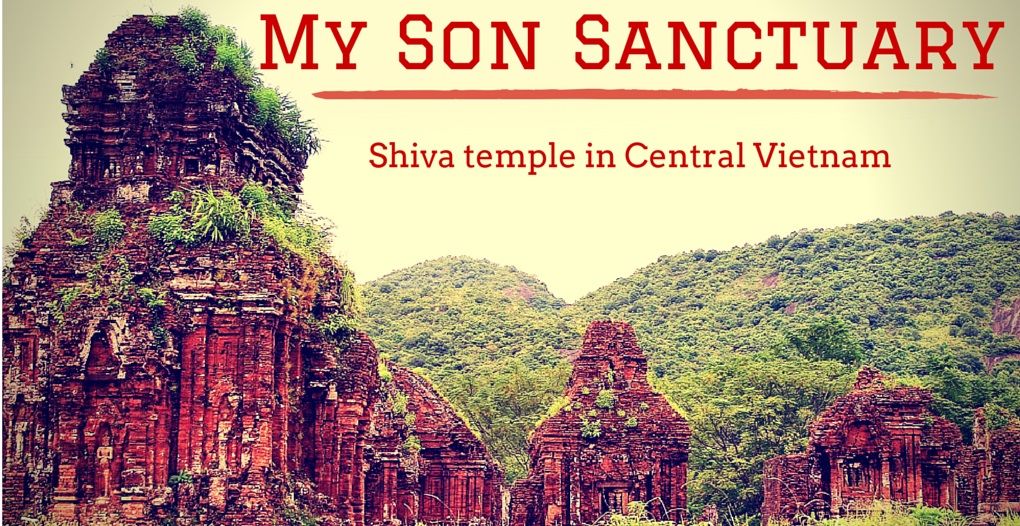
Between the 4th and 13th centuries a unique culture which owed its spiritual origins to Indian Hinduism developed on the coast of contemporary Vietnam. This is graphically illustrated by the remains of a series of impressive tower-temples located in a dramatic site that was the religious and political capital of the Champa Kingdom for most of its existence.
Marvels of Solanki Rajputs
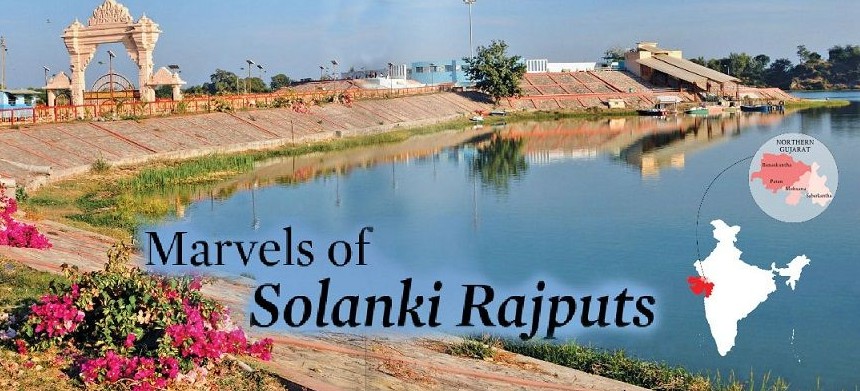
Solanki Dynasty was established by Mulraj that ruled the western and central India during the 10th century to the 13th century AD. This was the last Hindu dynasty. Mulraj Solanki’s reign marked the start of the most glorious period in the history of Gujarat during which Gujarati culture flowered as manifested in art, architecture, language and script. It is described as the golden period in Gujarat chequered history.
Indian Origins of Zoroastrians or Parsees
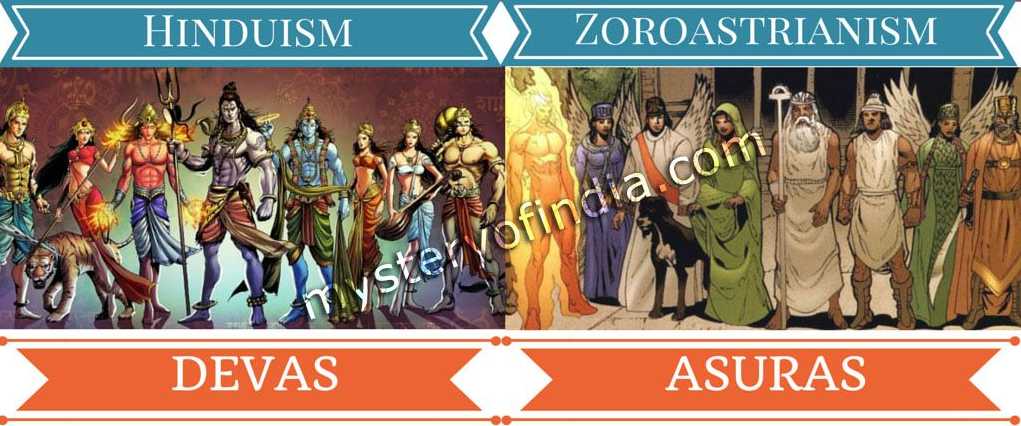
Indians (Indus valley residents) and Iranians (Mesopotamians) shared a common religious past, which led historians to sometimes even term the common ancestral religion as Proto-Indo-Iranian religion. Have we ever understood the implications of this common religious past of the two communities on the historical studies of the two regions?
Hydrology in Ancient India
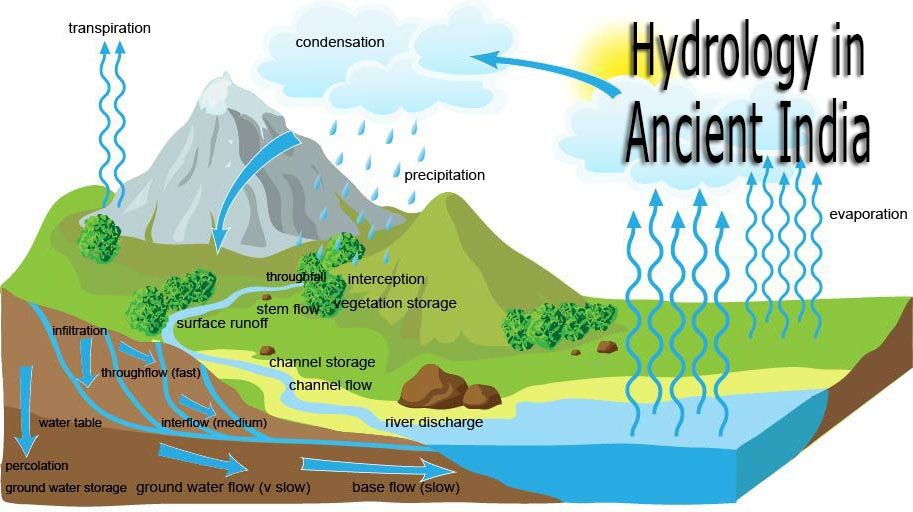
Natural entities and forces, such as Sun, Earth, Rivers, Ocean, Wind, Water, etc. have been worshipped in India as Gods since time immemorial. Perhaps it is not a sheer coincidence that the King of these Gods is Indra, the God of Rain. Clearly, ancient Indians were aware of the importance of rain and other hydrologic variables for the society. The ancient Indian literature contains numerous references to hydrology and a reading of it suggests that those people knew the basic concepts of hydrological processes and measurements. Important concepts of modern hydrology are scattered in various verses of Vedas, Puranas, Meghmala, Mahabharat, Mayurchitraka, Vrhat Sanhita and other ancient Indian works.
The Beautiful Key Monastery Of Himachal Pradesh
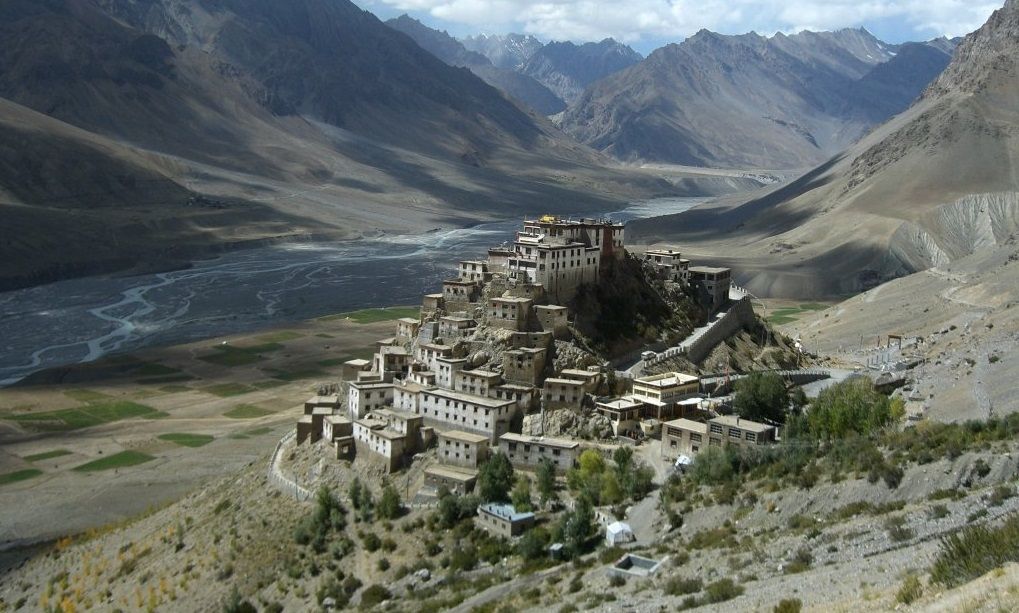
Key Monastery is Buddhist monastery located on top of a hill at an altitude of 4,166 metres above sea level, in Lahaul Spiti district of Himachal Pradesh in north India. Also known as Key Gompa, it is biggest centre of Buddhist learning in Spiti Valley and the oldest training centre for Lamas. It is home to around 300 lamas who receive their religious education here. The place is considered to be one of the most important research and debate centre for Buddhists.
India’s Sunken Cities
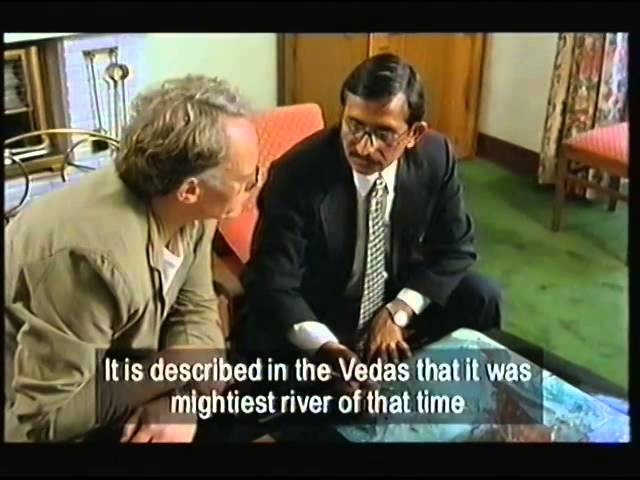
Underworld: Flooded Kingdoms of the Ice Age: Season 1, Episode 2
https://www.youtube.com/watch?v=Va0BIqfzpvo
Graham Hancock’s mind bending series on underwater civilisations, lost to humanity after being buried by the great floods at the end of the Ice Age. Are the stories about a great flood that come from all over the world true? Do these ancient traditions and myths talk of real events, and can this time be pinpointed to the end of the ice age when sea levels rose by four hundred feet? In this programme, a huge city is found under the sea off the Western coast of India which could be related to the ancient Indus Valley civilisation. Does this civilisation go back farther than five thousand years? Also, in southern India a new site is found off the coast…
Marine archaeology shows a number of submerged sites off the coast of Kachchh and Cambay in what would have then been the old Sarasvati delta region. A Gulf of Cambay urban site has been dated by Indian archaeologists to 7500 BCE. This would totally change our view of history as we now date cities only after 3500 BCE.
Read also: Dwarka Mythical City Found Under Water