
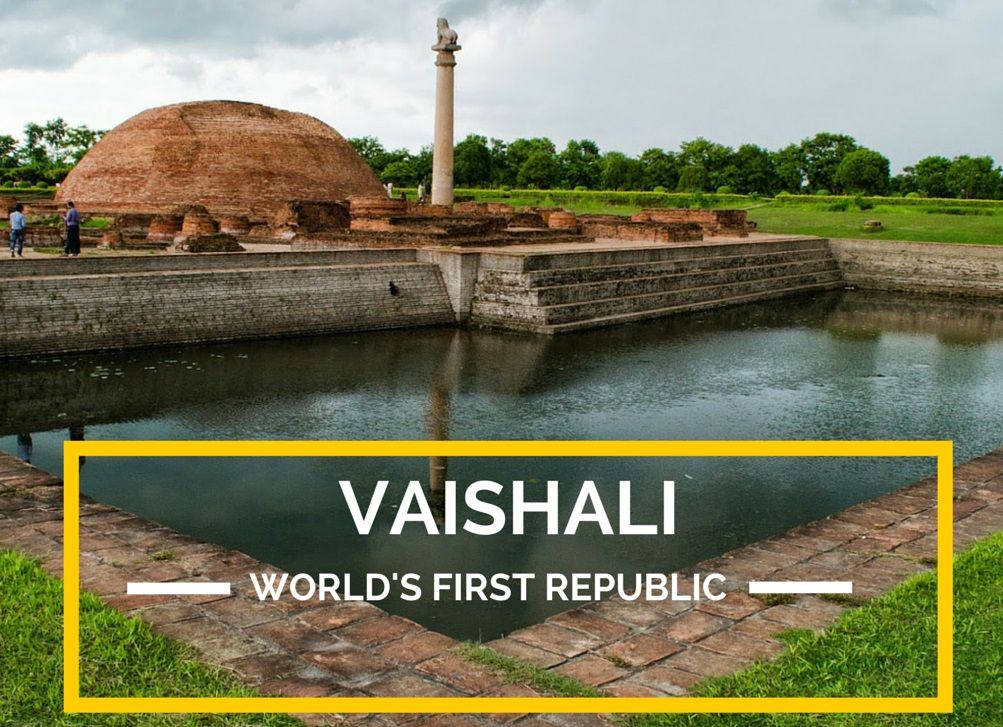
Vaishali – World’s First Republic

Although it is widely believed that the idea of democracy and a constitution were created in democratic Athens, around 506 BCE, India saw the emergence of city republics around 6th BCE where the concept of an elected ruler had taken root.

Vaishali, considered to be World’s First Republic and currently an Archaeological site, is situated in the district with same name, Vaishali, in Bihar state of India. Vaishali derives its name from King Vaishalik whose heroic deeds are narrated in the Hindu epic Ramayana.
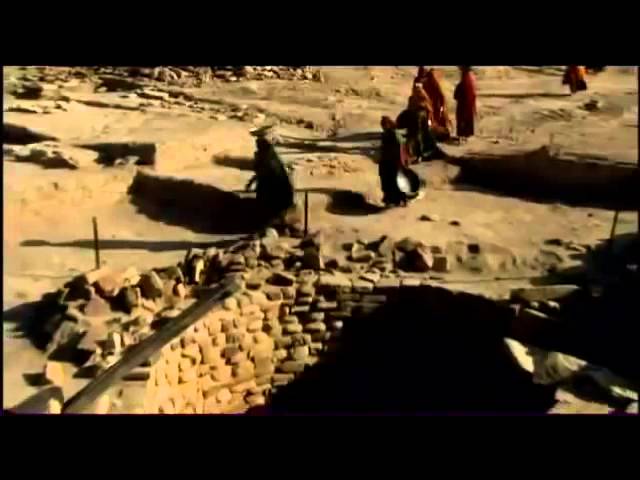
The Indus – The Masters of the River (Documentary)

Episode 3 in the French TV series “Civilisations” (2006)

This documentary, made by NHK (Japan) and Canadian TV, looks at the early Indus Valley civilisation, focusing on one of the lesser known sites at Dholavira, in what is now Gujarat, in western India. A well-done professional introduction to the city of Dholavira and an explanation of the irrigation and aqueduct system, collection of rain water and water reservoirs, with a CGI reconstruction of the city by NTV.

The Indus Valley Civilisation is one of the three oldest urban civilisations, along with Egypt and Mesopotamia. Ancient India during the Harappan era had one of the largest populations in the ancient world, far greater than the Middle East or Europe. The culture dates back as far as 7000 BC. They were masters of civil engineering, having irrigation systems, drought and famine management strategies, hot and cold running water, flush toilets, waste water disposal and organized housing for over five million inhabitants.

MORE:

Kalaripayattu – Mother of all Martial Arts

Martial arts are often attributed to South-east Asian countries, namely China, Japan and Korea. However few people know that the idea of martial arts originated in a least expected part of the world. The region is none another than the Indian sub-continent.

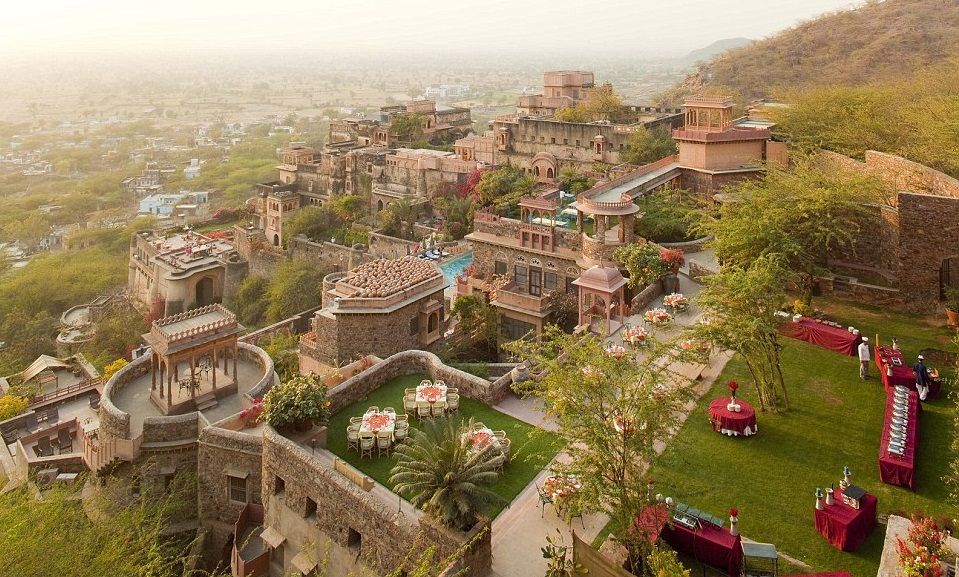
15th-century Neemrana Fort Palace

The Fort Palace of Neemrana is about 125 km from Delhi, on the road to Jaipur in Rajasthan. Built in 1464, Neemrana Fort Palace became the third capital of the descendants of Prithviraj Chauhan III, who had fled Delhi in 1192 after he was vanquished in battle by Muhammad Ghori. 

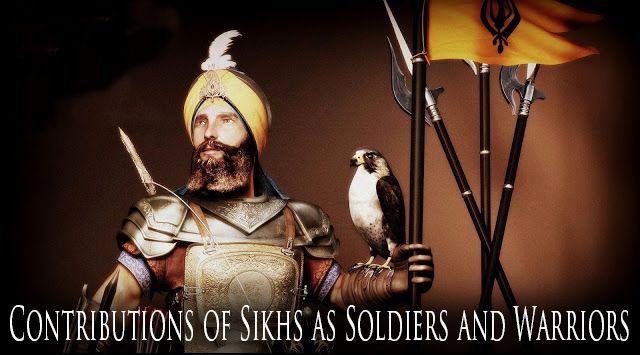
Contributions of Sikhs as Soldiers and Warriors

Sikhs by nature are respectful, courageous, hardworking, and enterprising. Look into their short span of history and you will find their pitcher is full of sacrifices and hard work which has contributed so much towards the building of the Indian nation. If not for them, the course of Indian History would have been very different. Volumes could be written on the contributions made by the Sikhs, who constitute less than 2% of Indian population. Just a few are listed below:

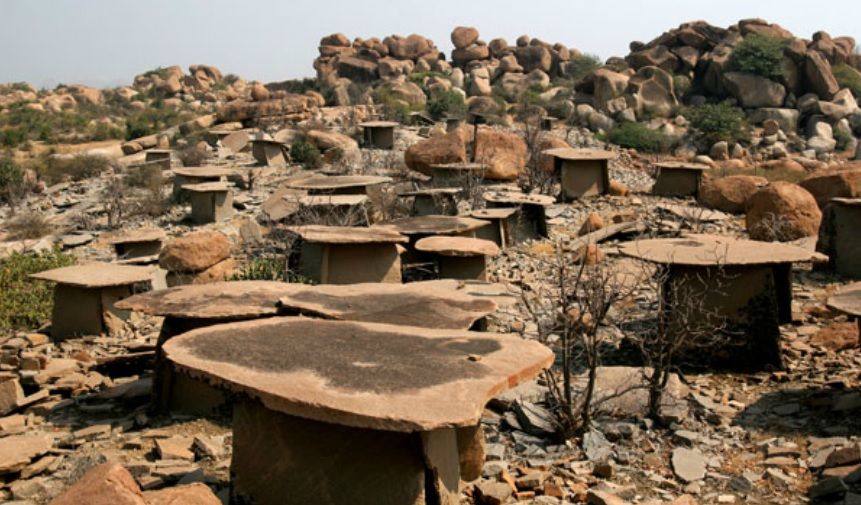
3000 years old Dolmens of Hirebenkal

Hirebenkal is one of largest megalithic site in Karnataka, India. This site, protected by the Archaeological Survey of India, has approximately 400 megalithic structures that were built about 3000 years ago. Walking through the quiet ‘street’ dotted with scores of empty houses is like walking through a ghost town.