
Indus era at least 8,000 years old; ended because of weaker monsoon

Due to a recent revelation made by scientists from IIT-Kharagpur and Archaeological Survey of India, time has arrived to rewrite history textbooks.

A group of researchers in India have used carbon dating techniques on animal remains and pottery fragments to conclude that the Indus Valley settlements could be 8,000 years old—2,500 years older than previously believed.

That could make the Indus Valley settlements, which were spread across Pakistan and northern India, even older than the Mesopotamian and Egyptian civilizations.

What’s more, the researchers have found evidence of a pre-Harappan civilization that existed for at least 1,000 years before this.

As per a report published in Times of India, this may force a global rethink on the timelines of the so-called ‘cradles of civilization’.

We have recovered perhaps the oldest pottery from the civilization. We used a technique called ‘optically stimulated luminescence’ to date pottery shards of the Early Mature Harappan time to nearly 6,000 years ago and the cultural levels of pre-Harappan Hakra phase as far back as 8,000 years,” said Anindya Sarkar, head of the department of geology and geophysics at IIT-Kgp.

Archaeological studies had earlier suggested that the civilization was centered around Harappa and Mohenjo-Daro in Pakistan, and Lothal, Dholavira, and Kalibangan in India. In recent years excavation at Rakhigarhi and few other places indicate that the civilization probably was more expansive than thought before. Whatever may be the extent most Harappan settlements grew in the floodplains of river systems including those of the Indus or now defunct Ghaggar-Hakra (mythical river Saraswati?).
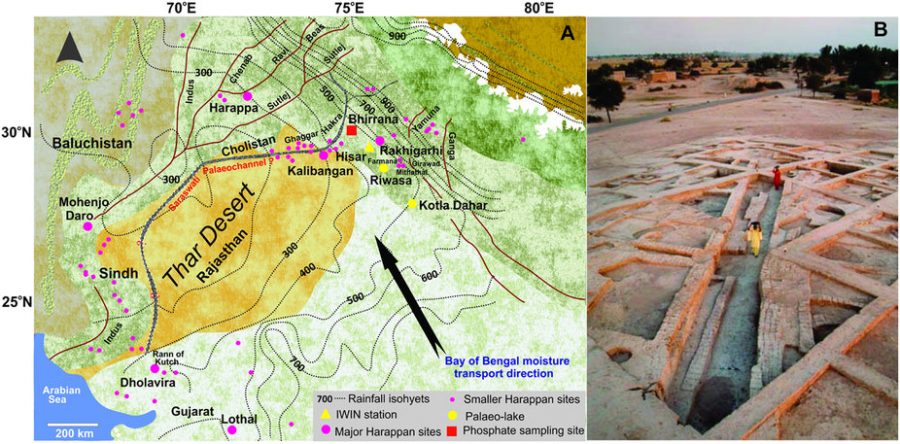
Map Showing Indus Valley Sites and Decline of Civilization
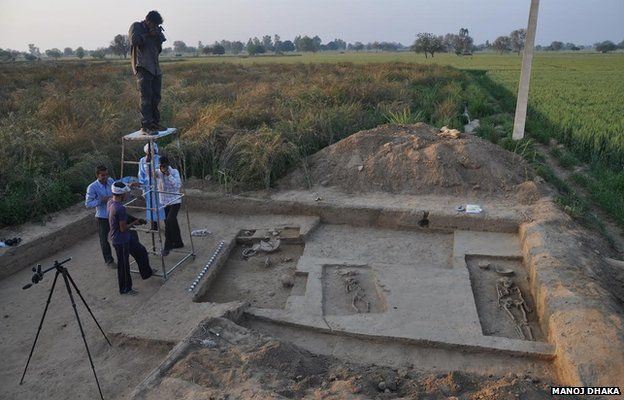
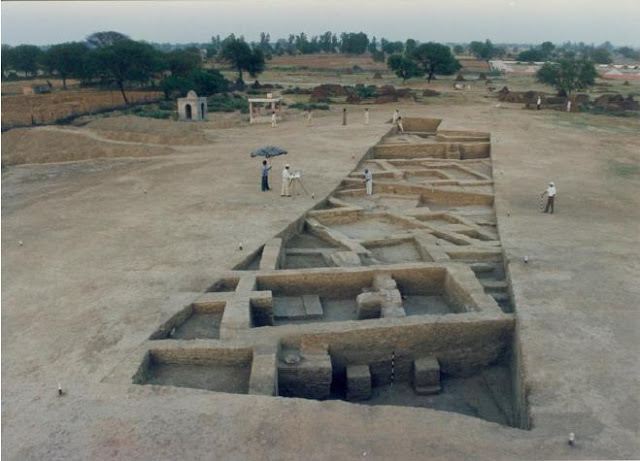
(Left) Map of Northwest India and Pakistan showing the locations of main Harappan settlements. (Right) Panoramic view of the excavation of mature Harappan stage at Bhirrana. –img source

They took their dig to an unexplored site, Bhirrana — and ended up unearthing something much bigger. The excavation also yielded large quantities of animal remains like bones, teeth, horn cores of cow, goat, deer and antelope, which were put through Carbon 14 analysis to decipher antiquity and the climatic conditions in which the civilization flourished, said Arati Deshpande Mukherjee of Deccan College, which helped analyse the finds along with Physical Research Laboratory, Ahmedabad.

Our study shows that the pre-Harappan humans started inhabiting this area along the Ghaggar-Hakra rivers in a climate that was favorable for human settlement and agriculture. The monsoon was much stronger between 9000 years and 7000 years from now and probably fed these rivers making them mightier with vast floodplains,” – Deshpande Mukherjee.

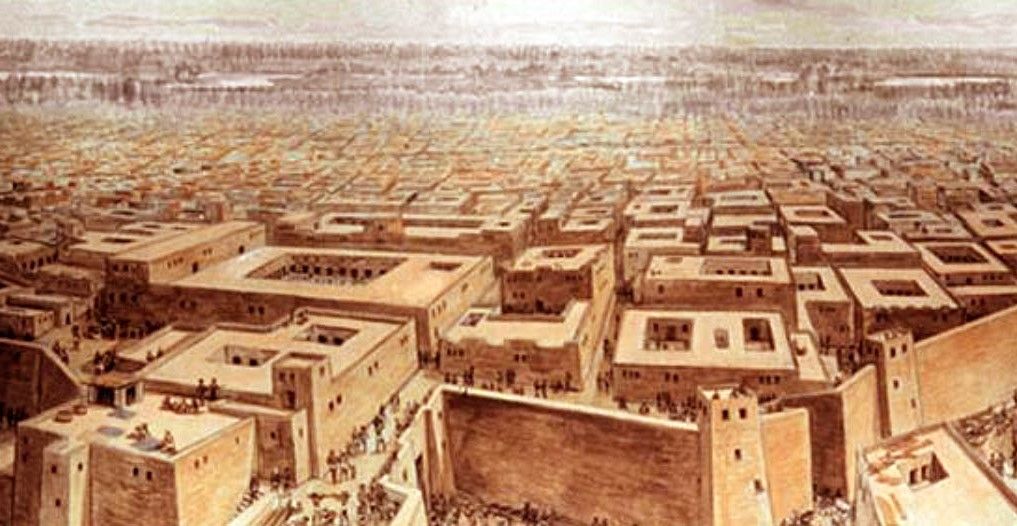
While the earlier phases were represented by pastoral and early village farming communities, the mature Harappan settlements were highly urbanized with organised cities, and a much developed material and craft culture. They also had regular trade with Arabia and Mesopotamia.

The Late Harappan phase witnessed large-scale de-urbanization, drop in population, abandonment of established settlements, lack of basic amenities, violence and even the disappearance of the Harappan script, the researchers say.

The study revealed that monsoon started weakening 7,000 years ago but, surprisingly, the civilization did not disappear.

The Indus Valley people were very resolute and flexible and continued to evolve even in the face of declining monsoon. The people shifted their crop patterns from large-grained cereals like wheat and barley during the early part of intensified monsoon to drought-resistant species like rice in the latter part. As the yield diminished, the organised large storage system of the Mature Harappan period gave way to more individual household-based crop processing and storage systems that acted as a catalyst for the de-urbanisation of the civilization rather than an abrupt collapse, they say.
Source: Oxygen isotope in archaeological bioapatites from India: Implications to climate change and decline of Bronze Age Harappan civilization.

Chinese, Indian archaeologists Mull Exploring Birthplace of Buddhism

Indian and Chinese archaeologists are discussing a cultural cooperation project in order to trace the spread of Buddhism from India to China.

The Institute of Archaeology under the Chinese Academy of Social Sciences will collaborate with Indian archaeologists at key sites in Sarnath, in northeast India. The project is expected to include excavations, cultural relics protection, and safety monitoring and control.

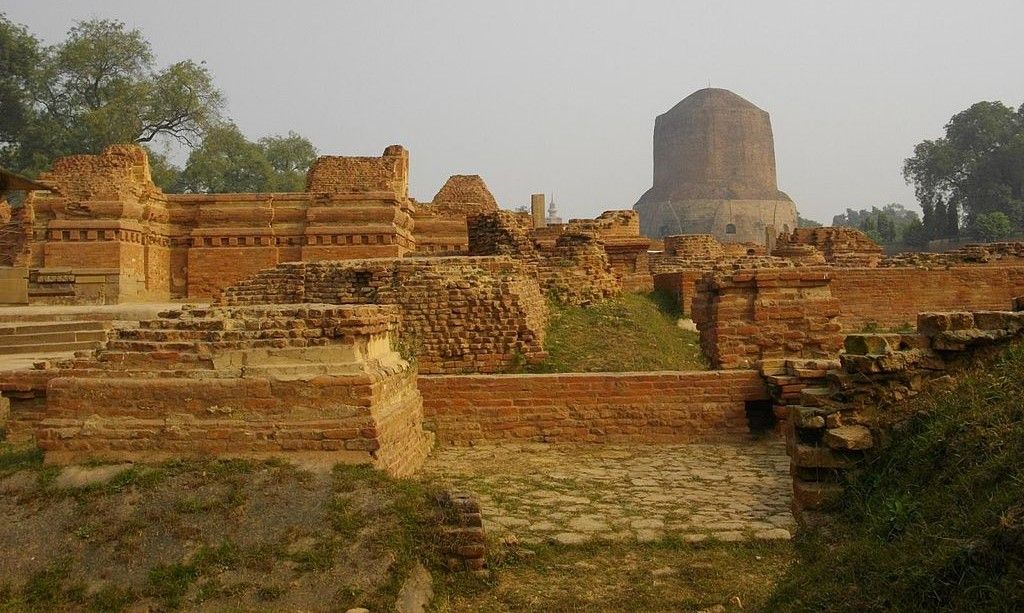
The historical Buddha, Shakyamuni, is believed to have traveled to Sarnath after attaining enlightenment in Bodh Gaya and to have given his first discourse on the Dharma at the deer park there. Sarnath is also believed to be where the Buddha acquired his first disciples, marking the founding of the first Buddhist sangha.

Indian archaeologists have been working on excavations in the area since the late 19th century, unearthing numerous Buddhist relics and artifacts; however, many of the discoveries have yet to be fully dated and catalogued.

We are very excited because our archaeologists will be finally able to look for, and may later touch and protect Indian relics that they have only seen in books,” said Wang.

The collaboration between the Institute of Archaeology under the Archaeological Survey of India and the Institute of Archaeology under the Chinese Academy of Social Sciences is expected to begin in November and to continue until 2020, encompassing excavations and the protection of cultural relics, as well as safety monitoring and control.

“We are two neighbors with a long history of cultural, spiritual, and economic ties, and I believe this project will strengthen our connection,” said Wang Wei, director of China’s Institute of Archaeology. Sanjay Kumar Manjul, director of India’s Institute of Archaeology, also expressed strong support for the project. (Xinhua)

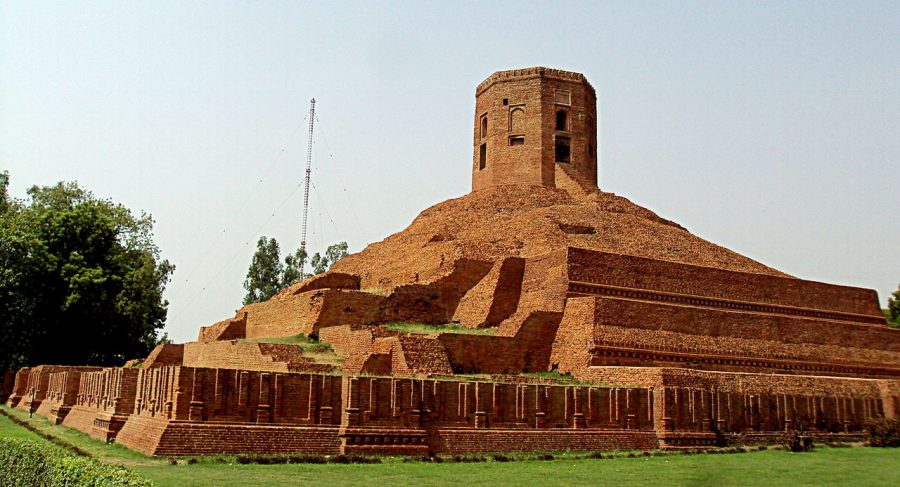
Chaukhandi Stupa is an important Buddhist stupa in Sarnath, India.
Chaukhandi Stupa, Sarnath. –img source

The director explained that during the first millennium, many Chinese scholars and monks traveled to India, including Xuan Zang and Yi Jing, who attended Nalanda University in Bihar, north India.

“The detailed accounts of their journeys are an important resource for historians, archaeologists, Buddhologists, and those interested in studying cross-cultural interactions in the pre-modern world,” said Wang. “On the basis of these records, archaeologists have explored several Buddhist sites in India.”

Wang also expressed interest in investigating potential connections between Buddha statues discovered at Sarnath that have been dated to the Gupta empire (320­–550) and similar artifacts made in China during the Northern Qi dynasty (550–77)

The relationship between these relics may tell us something new about the spread of Buddhism in China,” said Wang.

The project will feature some of the world’s leading archeological technology, including three-dimensional remote sensing and three-dimensional imaging systems, as well as advanced indoor testing and analysis techniques.

A second project is also being planned, which will focus on artifacts excavated at Rakhigarhi, some 90 miles northwest of New Delhi, the site of what is believed to be the largest known Indus Valley Civilization settlement.

Source: news.xinhuanet.com

Evidence Suggests Rakhigarhi Was A Major Harappan Centre

Archaeological findings and scientific data have indicated that Rakhigarhi had been the more important centre of the Indus Valley Civilisation than the townships of Harappa and Mohenjo Daro located in Pakistan.

Excavations and the study of the findings have unfolded a rich past: engraving, cutting, or polishing of stones and gems was the most developed handicraft in Rakhigarhi, considered the centre of a large-scale industrial activity 5,000 years ago

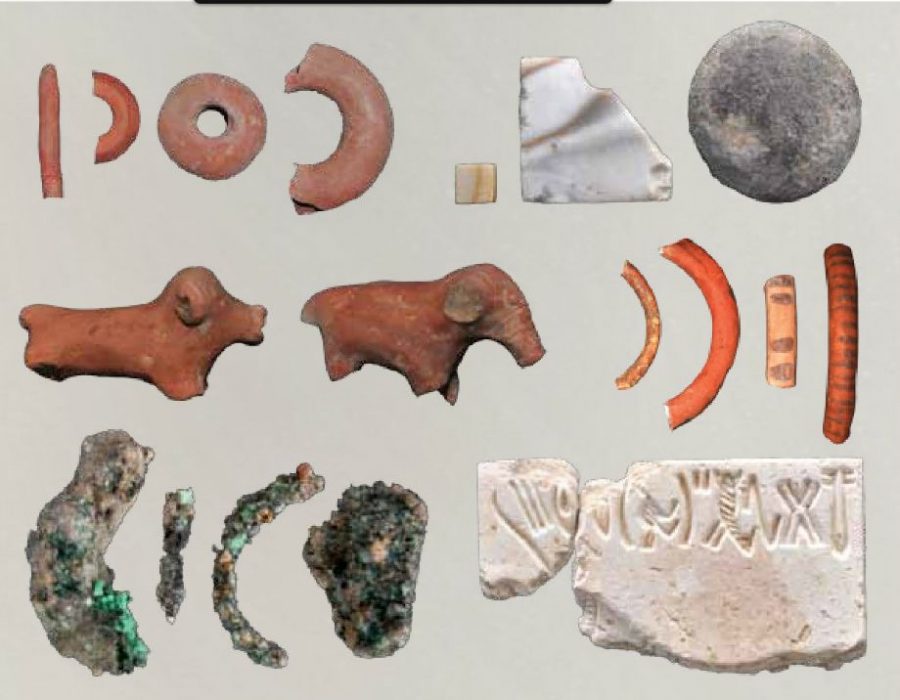
Terracotta toys, Broken bangle piece, copper objects and Harappan seal Dicovered at rakhigarhi
Terracotta toys, Broken bangle piece, copper objects and Harappan seal Dicovered at rakhigarhi.

The team of archaeologists revealed that the excavation at this site is all set to change the view that Mohenjo Daro was the capital city of the Indus Valley Civilisation.

Instead, the scientific data collected on the basis excavations here have strongly pointed that Rakhigarhi, a metropolis, was perhaps the capital of its times about 5,000 years ago,” said Prof Vasant Shinde, in charge of the excavation and Vice Chancellor of Deccan College, Pune.

Read More: Unearthing the civilisation of Lothal

Deccan College and the Haryana archaeological department have been jointly carrying out the excavation at the site from last three years. To prove his point, Prof Shinde said this site was spread in over 550 hectares, which is about double than that of the Mohenjo Daro site, which was considered the biggest site till now.

We have collected evidences of massive manufacturing and trade activities in this town, which revealed the economic organisation and the foreign links of people here. They had trade links with people in Rajasthan, Gujarat, Baluchistan and even Afghanistan. The city flourished during the early Harappan era dating back to around 3,300 BC and existed till 2000 BC,” he said.

Moreover, the DNA samples collected from the skeletons at the cemetery here are set to crack a major mystery surrounding their lives, character, diseases and race of the people who lived here 5,000 years ago.

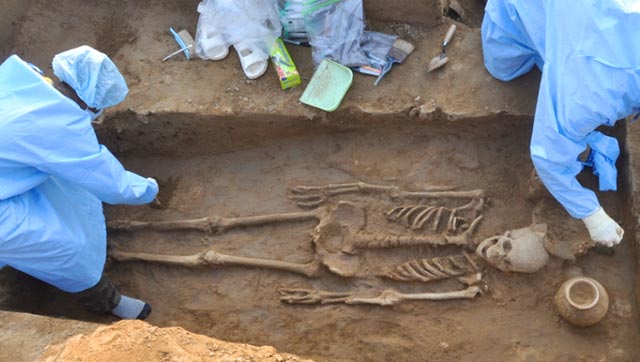
four Human Skeletons found in Rakhigarhi, Harappan site in Haryana
Archaelogists inspecting a 5,000-year-old human skeleton unearthed at Rakhigarhi in Hisar. –Image Source

Scientists have, for the first time ever, succeeded in extracting DNA from the skeletons of the Indus Valley Civilisation. More skeletons have been found during the ongoing excavation season from mound no.2 for further analysis. Three different institutes of world repute are conducting the DNA analysis for a foolproof study, so that there is no scope of any contradiction,” Prof Shinde said.

He said this was the best and most unexplored site related to the Indus Valley Civilisation so far. So much material is available here that it would take 100 years to complete the study on uninhabited mounds on the outskirts of the village. The state government had decided to set up a museum, research centre and a hostel for the researchers in the village.

Read More: Haryana’s Bhirrana is oldest Harappan site

An archaeological survey of India (ASI) report too pointed out that a huge number of stone beads and beads of metal, including gold, indicated that Rakhigarhi was the biggest bead manufacturing and trading centre of the contemporary world. This also shows the social and economic organization of local people. Rakhigarhi has yielded a large collection of beads made of stones, semi-precious stones and even metal like gold.

The volume of beads at Rakhigarhi indicated that this could have been a centre of manufacturing. The ASI excavation had retrieved 11421 beads in the last 13 years from 1997 from Rakhigarhi.

Democracy has roots in Harappa

Rakhigarhi

The concept of democracy and welfare state has their roots in Indus Valley Civilisation, so suggest the analysis of two-year excavation at an ancient Harappan site in Hisar’s Rakhigarhi village. The excavation points out that the panchayat system is 5,000 years old.

The evidence of a city state or rule of a king like in Egypt or Mesopotamia was not found anywhere in Harappan sites across the Asian subcontinent.

We found no palace-like structure or evidence of a rule of a king anywhere in Harappan sites. Unlike Egypt, people of Indus civilisation did not waste their resources and forced common people to create structures such as pyramids which symbolise slavery,” said Arvind Prabhakar Jamkhedkar, Chancellor, Deccan College.

He said civil engineering and houses built of bricks were first conceptualised during the Indus civilisation and the technology had traveled to other contemporary civilisations. Cross-bricked technique was used in Egypt during 3000 BC. It was prevalent in Indus during 5000 BC.

Jamkhedkar said the Indus civilisation had flourished more in the Saraswati river basin than near the Indus river.

Source: Tribune India

Ancient Buddhist site found in Amaravati

Archaeologists found the remains of a 1st Century B.C. Buddhist site atop a hill in the village of Vaikunthapuram in the Amaravati region of Andhra Pradesh.

A clue given by residents of Vaikunthapuram, located in the capital Amaravati region, led veteran archaeologist E. Siva Nagi Reddy to Buddhist remains of 1st Century BC atop a hill in the village.

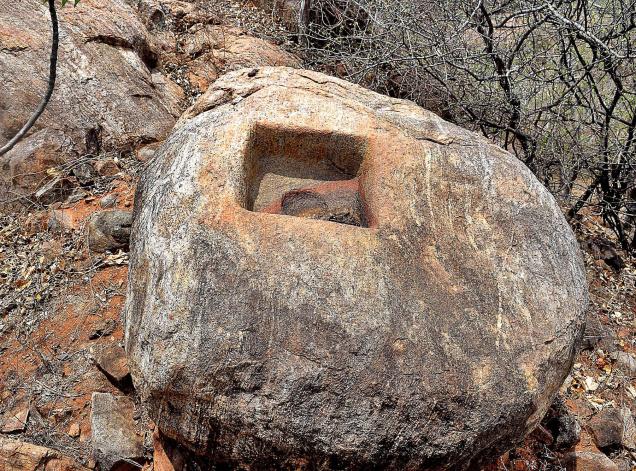
Assisted by village residents, he conducted a thorough search on the hill which yielded three mounds studded with brickbats and pottery in red colour. The mounds were formed on huge boulders on which a brick-built stupa was raised.

The bricks invariably belonged to the Satavahana era (1st Century B.C.). Huge fragments of terracotta and brick tiles used to cover chaityas and viharas were also found.

The bricks used in the construction of the Stupas and Viharas measure 60X30X8cm and 58X28X7cm invariability belonging to the Satavahana times i.e., 1st century BC. There are terracotta and brick tiles in huge quantities, of course in a broken form, used to cover the Chaityas and Viharas, Dr. Reddy said.

Further excavations revealed that the Buddhist monks relied for drinking water mainly on two tanks spread in an extent of half an acre and two rock-cut cisterns.

Villagers informed that a few years ago, treasure-hunters dug up at the centre of the stupa and found a relic casket with a gold leaf, which was later handed over to the then Collector of Guntur district.

Buddhist remains like stupas, chaityas and viharas yielded on Vaikunthapuram hill show that Buddhism existed from 1st Century B.C. to the 5th Century AD, but later the region came under the influence of Saivism in the Vishnukundin era, and under Vaishnavites between the 13th and 17th centuries AD.

This is evident in the existence of two Venkateswara temples —one at the foot of the hill and another on the hill top,” said Dr. Reddy.

Dr. Reddy also stumbled upon two Siva lingas on the Krishna river bed. It appeared that the lingas surfaced recently due to receding of the river water. These Siva lingas, he said, portrayed stylistic ground art of 5th century AD (Vishnukundin era).

Featured Image & Source: The Hindu

Top Tourist Attractions to Visit in Golden City of Jaisalmer

One of the top splendid cities of India, Jaisalmer beautifully replicates the golden era of India.

Popularly known as ‘The Golden City’, the place is home to yellowish sandstone, various palaces and wonderfully carved Jain temples. The city of Jaisalmer is also famous as the ‘Sun City of Rajasthan’.

Along with magnificent Jaisalmer Fort, the city has several beautiful attractions to explore. Each part of this city radiates a well-preserved rare old-age charm that is unparalleled. Its traditional values and culture make it an ideal tourist destination and leave the visitors astonished and enthralled with a sheer different thrill.

Explore the tourist attractions that this breathtaking city offers to its visitors. Explore Rajasthan tour packages and visit Jaisalmer with EaseMyTrip.

Jaisalmer Fort

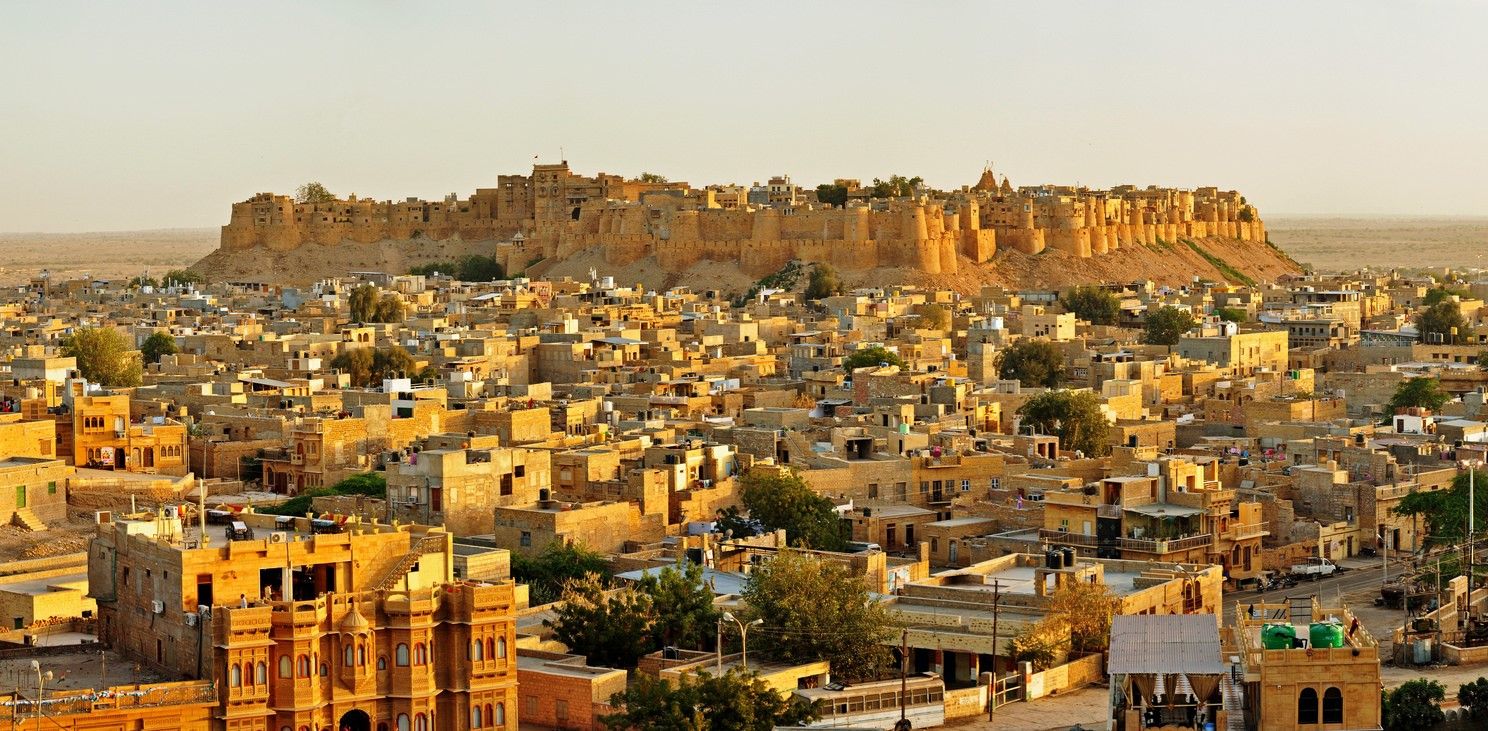
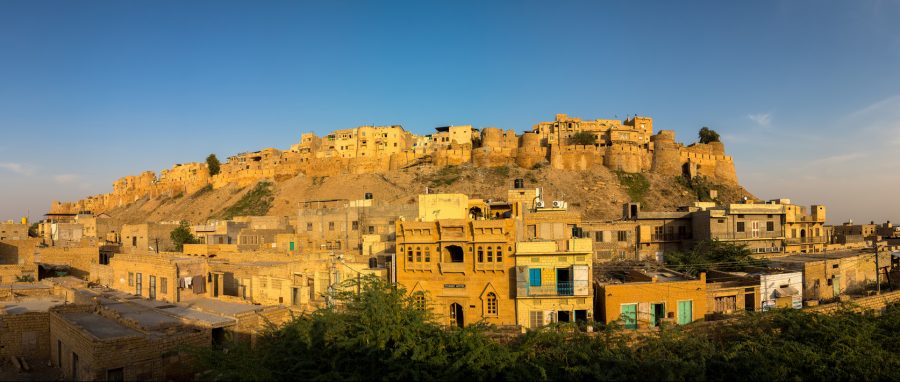
Beautiful panorama of the Golden Fort of Jaisalmer, India
Beautiful panorama of the Golden Fort of Jaisalmer, – img source

Situated on a 250 feet high hilltop, Jaisalmer fort is one of the oldest forts of Rajasthan that enjoys spectacular views of the immense desert all around. Also known as Golden Fort of Rajasthan, the fort features five attractively built palaces, including Sarvottam Vilas, Akhai Vilas, Gaj Mahal, Rang Mahal and Moti Mahal.

The interior of the fort are shelled with stylishly carved jail screens. The fort features four poles, which are Akhai Pole (Ganesh Pole), Suraj Pole, Bhuta Pole and Hawa Pole. Arches and spandrels of the palaces of this fort are painted with alluring murals.

Jain Temples

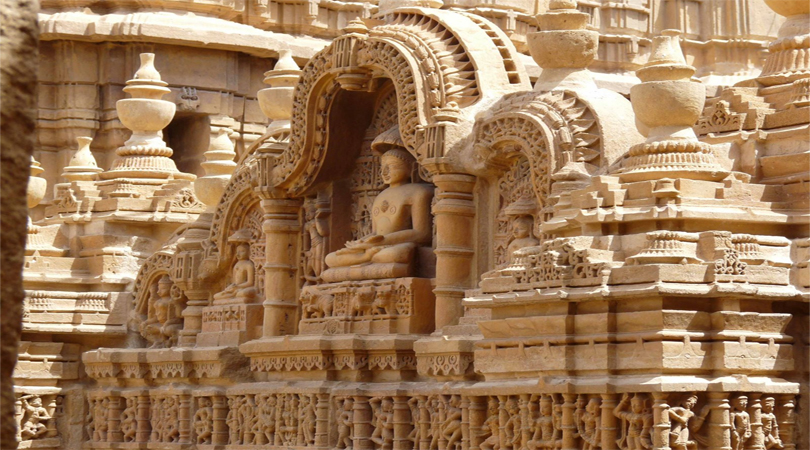
jaisalmer jain templeJain Temples are located in the Jaisalmer Fort. It is a must visit place in Jaisalmer. These temples are very old and associated with high pilgrimage & archaeological value. Constructed during 12th to 15th centuries, these Jain temples are dedicated to different Jain Tirthankars. On the walls of the temples, you can see figures of animal & human carved in prominent Dilwara style.
Patwon Ji Ki Haveli

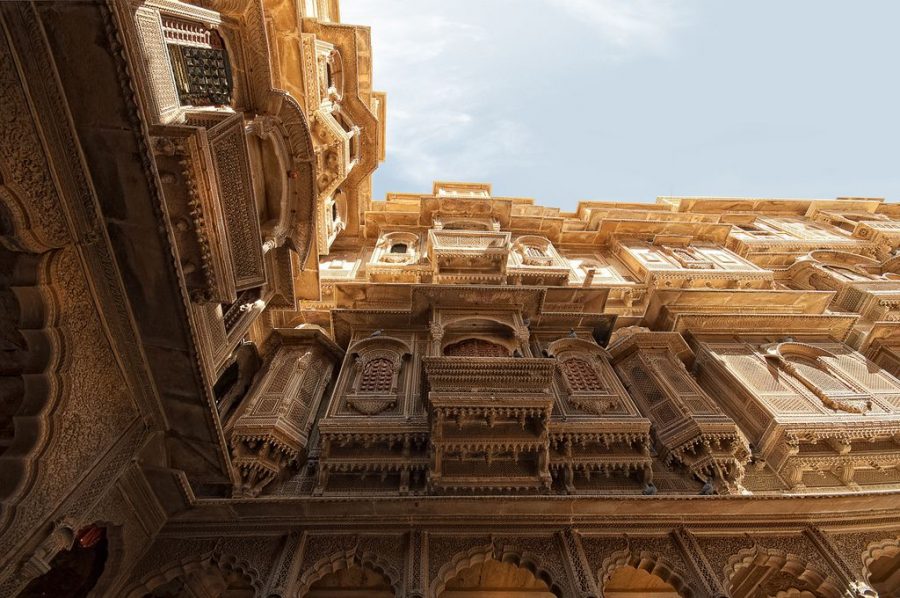
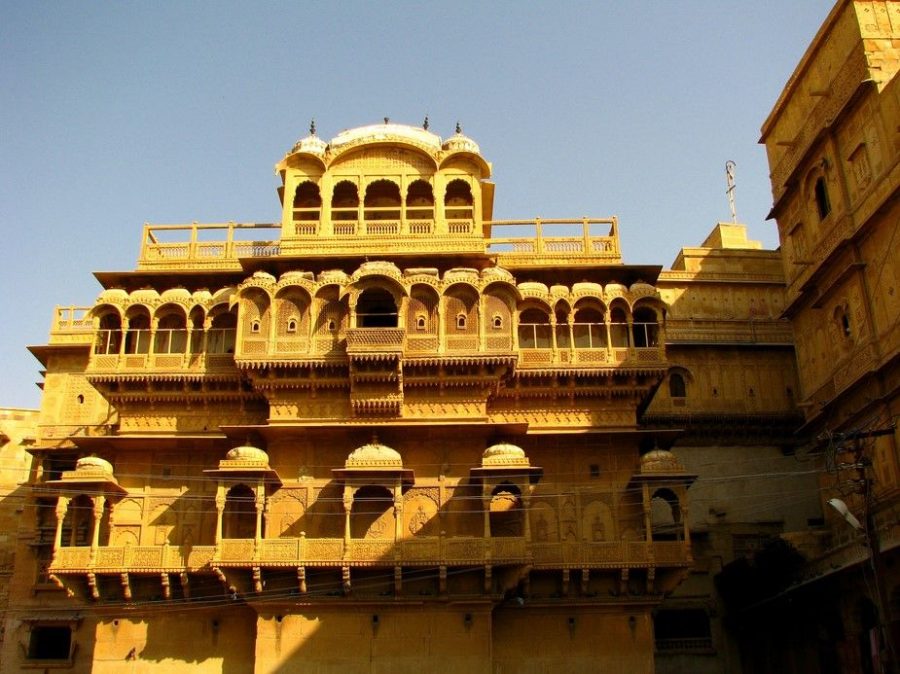
Patwon Ji Ki Haveli, Jaisalmer, India
Patwon Ji Ki Haveli, – img source

This is a five storied mansion, which is one among the most stylish Havelis of Jaisalmer. Brilliantly and artistically carved, the luxurious mansion is divided into six apartments. Two of these are occupied by Archaeological Survey of India while two are operating as craft-shops. Rest of the two is converted into private homes. Several walls inside this mansion are decorated with paintings and mirror work.

Thar Heritage Museum

Situated in the main market of Jaisalmer, Thar Heritage Museum was founded by Laxmi Narayan Khatri. The museum elaborately tells the art, architecture, culture and history of the well-known Thar Desert. Sea fossils aging from the millions of years demonstrate that how the sea turned into the Thar Desert. The museum also displays exclusive ornaments of the camels and horses. One can see here selection of documents, coins, ancient manuscripts and weapons.

Nathmal Ji Ki Haveli

Nath Mal ki Haveli Jaisalmer
img source

Constructed during the 19th century, the outstanding Haveli is the brainchild of the two talented architect brothers. You can see colossal tuskers built of yellow sandstone and standing as safe guards in this Haveli. The charm of the Haveli is increased with small paintings kept on the walls inside it.

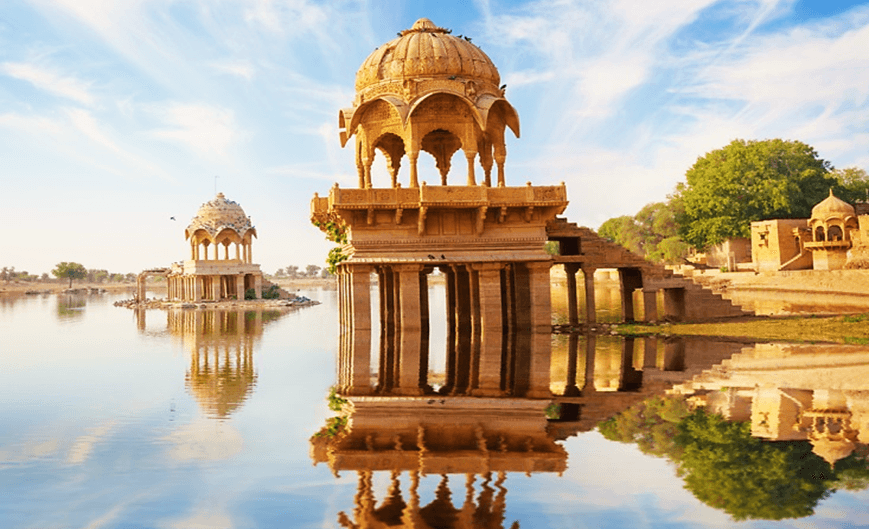
Gadsisar Lake

Gadisar Lake - Top Tourist Attractions to Visit in Golden City of Jaisalmer
img source

Gadsisar Lake is primarily a water conservation tank, which was built around 1400 A.D. This lake is surrounded with variety of temples and shrines. This is the reason; the place is acknowledged as a stunning pilgrimage spot. It enjoys absolute serenity and a religious aura. The lake also attracts variety of migratory birds.

Salim Singh Ki Haveli

Salim Singh Ki Haveli - Top Tourist Attractions to Visit in Golden City of Jaisalmer
img source

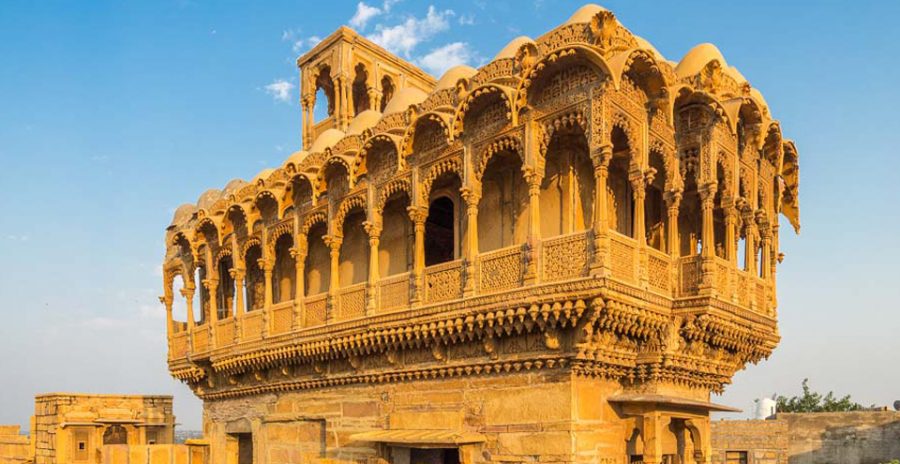
Wonderfully constructed about 300 years ago, this Haveli is an outstanding architectural marvel in Jaisalmer. Situated just below the hill, it features an arched roof with carved brackets in the shape of Peacocks. A significant portion of the Haveli is still occupied. The beautiful Haveli is as high as the Maharaja’s palace.

Sam Sand Dunes

Sam Sand Dunes - Top Tourist Attractions to Visit in Golden City of Jaisalmer
img source

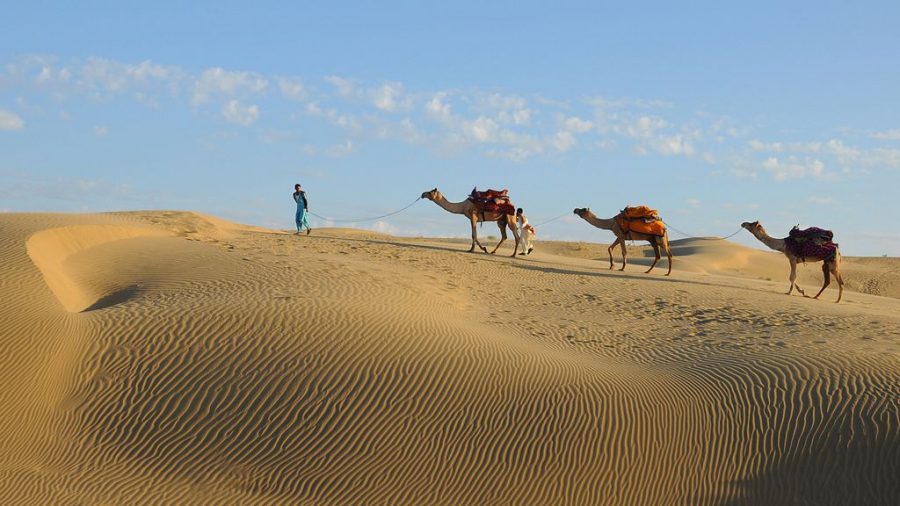
It is one of the most important aspects of Rajasthan tourism and perfect destination to go for a Desert Safari. Enjoy here camel safari and explore the crests and troughs that one can enjoy while watching the picturesque sunset on the desert. Other safari that one may enjoy here is Jeep safari. In the months of February and March, one can enjoy Desert festival without leaving any chance to miss the folk dance, camel race and various cultural events.

Kuldhara

Kuldhara - Top Tourist Attractions to Visit in Golden City of Jaisalmer
img source

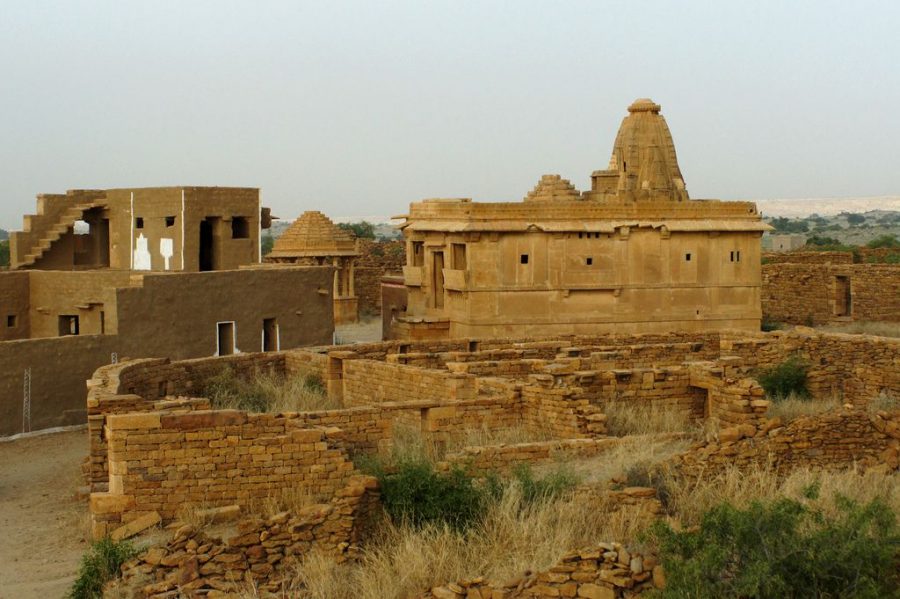
84 medieval villages were abandoned by the Paliwal Brahmins overnight. The two most prominent of them are Kuldhara and Khabha, located about 18 and 30 kilometres respectively from the southwest of Jaisalmer. The ruins of Kuldhara and Khabha are fine examples of architectural excellence of that era and are a treat for shutterbugs. Several stories abound, but nobody is really sure why the mass exodus took place. Villagers believe the place is cursed and hesitate to venture inside.

These are not the only places to be visited in Jaisalmer. You will get to explore more on your trip.

Scientists discover 121 possible sites for Ashoka rock edicts

A team of researchers from the University of California, Los Angeles aided by a computer model, has identified 121 possible sites for Ashoka rock edicts, many of which are in the Deccan Plateau.

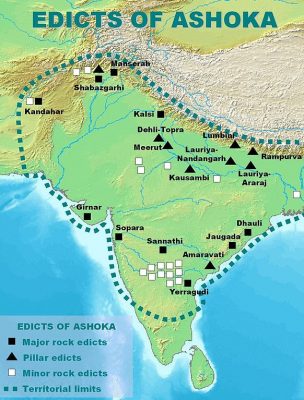
Currently, 39 Ashokan edicts are known. There are pillar edicts and rock edicts and these edicts are located at sites ranging from Afghanistan to the Gangetic plains to the eastern coast of India. The UCLA study suggests several new sites in the Deccan Plateau, in Afghanistan-Pakistan border areas and northwest India. Only archeological excavation of these sites could reveal if there are more Ashokan edicts, unknown to history so far.

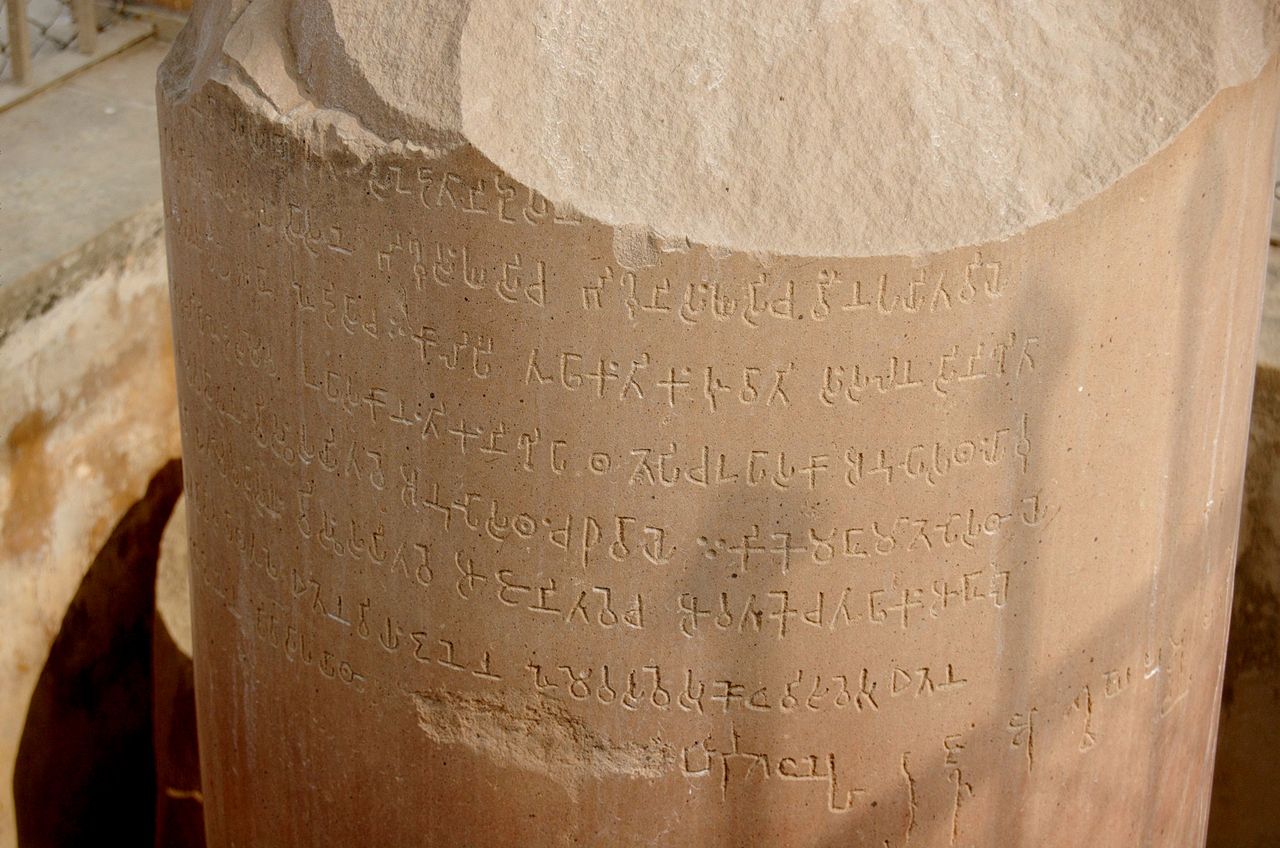
The stone inscriptions ascribed to Ashoka, the 3rd-century BC ruler of the Mauryan dynasty, are important for several reasons. They constitute the first decipherable written documents in the Indian subcontinent coincident with the development of urbanism.

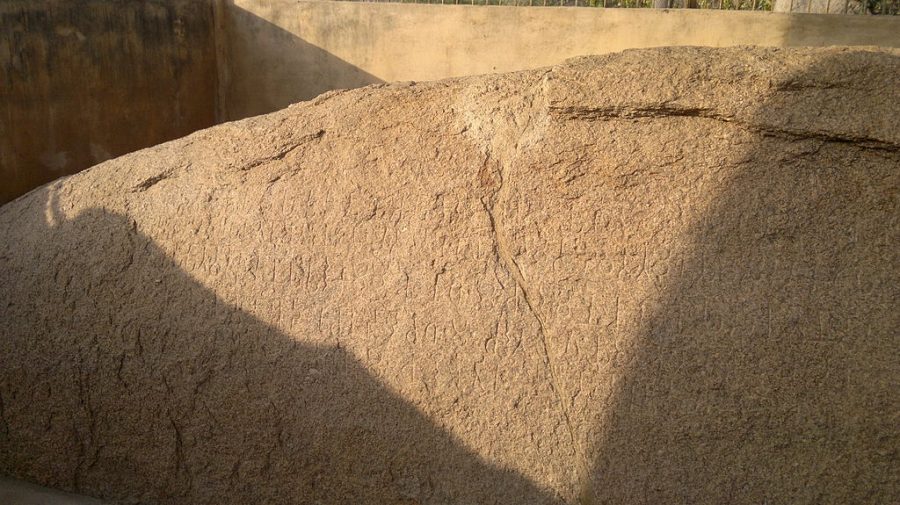
Ashoka's Edict at Gujarra, Madhya Pradesh
Ashoka’s Edict at Gujarra, Madhya Pradesh. img souce

The emplacement of Ashokan edicts as an act of royal proclamation is interpreted as the evidence of the first substantial unifying political regime of the subcontinent. Finally, the edicts are the first tangible expression of religious practices related to Buddhism.

Read More: Mystery of 1600 years old Iron Pillar of Delhi

Practising Buddhism began in 6th century BC, but its visibility increased with the imperial sanction provided by Ashoka’s proclamations.

Distribution of the Edicts of Ashoka
Distribution of the Edicts of Ashoka. img souce

The UCLA team first used the computer model to correctly identify the known Ashokan sites. Then, they exploited the same tools to check if there could be other possible sites. The model threw up as many as 121 sites.

“The final data are probability maps and we identified 121 locations that are similar to known inscriptions. These locations are hypotheses that can be tested and accepted or rejected like any other theory in science,” lead researcher Thomas Gillespie told DH.

The results suggest Ashoka edicts were not randomly placed and most of the recent edicts discovered have only been found by chance.

“We believe that a search for edicts in any of these locations would yield a higher-than-average probability of finding new inscriptions,” the researchers commented in a research paper, which would be published in the journal Current Science.

The computer model they picked up for the study is generally used for understanding the species distribution among animals. But it was handy while searching the rock edict sites because of its ability to handle variation in geographical parameters. The performance of the model can be improved with additional inputs on the political influence, ethnicity and linguistics pattern of the Ashoka era.

Source:

Deccan Herald