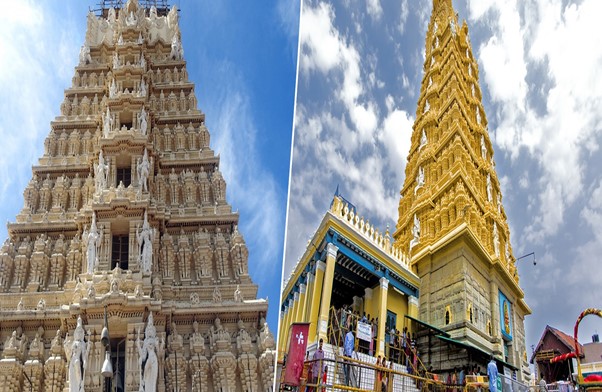

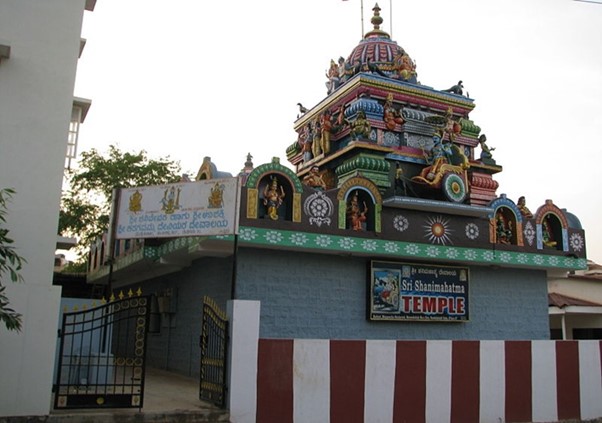
Shani Temple (Sri Shanimahathma Temple)- Religious Significance, About Shandi Deva, Architecture and Popular Festivals!

Shani Temple (Sri Shanimahathma Temple)- Religious Significance, About Shandi Deva, Architecture and Popular Festivals!

Situated in the happening city of Bengaluru, the Shani Temple stands as a beacon of peace and spiritual enlightenment. Also known as the Sri Shanimahathma Temple, this sacred space is dedicated to the Hindu deity Shani Deva, the god of discipline and justice.

Located in the quiet neighbourhood of Chikka Madhure in Banaswadi, the Shani Temple draws devotees from all over the city who come to seek blessings and offer their prayers to the powerful deity. But the Shani Temple is more than just a place of worship. It is also a testament to the rich cultural and architectural heritage of Bengaluru.

With its intricate carvings and stunning design, the temple is a sight to behold. In this blog, we will delve into the history, significance, and beauty of the Shani Temple in Bengaluru!

Religious Significance of the Shani Temple

The Shani Temple holds great significance for Hindus, both for its religious and cultural value. Here are a few reasons why:

  1. Devotion to Shani Deva: The Shani Temple is a place of worship for devotees of Shani Deva, the Hindu deity of justice and discipline. Many believers visit the temple to seek blessings and guidance from the powerful deity.
  2. Astrological significance: In Hindu astrology, the planet Saturn is associated with Shani Deva. Believers visit the temple to seek relief from the negative effects of Saturn’s placement in their horoscope.
  3. Cultural significance: The Shani Temple is a testament to the rich cultural and architectural heritage of India. Its intricate carvings and stunning design make it a must-visit for anyone interested in the country’s cultural history.
  4. Spiritual enlightenment: For many, visiting the Shani Temple is a chance to seek peace and spiritual enlightenment. The peaceful atmosphere of the temple and the opportunity to connect with the divine can be a deeply transformative experience.

In short, the Shani Temple is a place of great significance for Hindus, offering spiritual guidance, cultural enrichment, and a chance for personal growth.
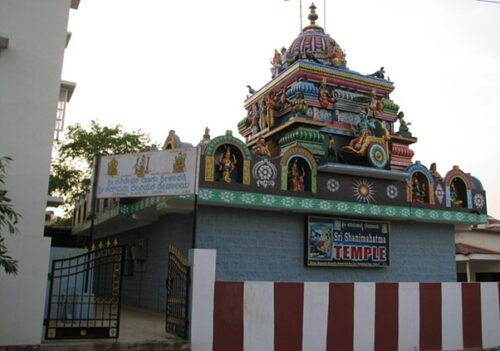
Shanimahathma Temple Mystery of India Karnataka
Shanimahathma Temple Mystery of India Karnataka. Image courtesy wikimedia commons

Who is Shani Mahatma?

Shani Mahatma is a revered Hindu deity who is known as the Lord of Justice and Discipline. He is also known as the “Lord of Saturday,” as the planet Saturn is associated with him in Hindu astrology. Shani Mahatma is often depicted as a dark-skinned man wearing black clothing and carrying a sword or a trident.

He is believed to be a fierce and powerful deity who dispenses justice and punishes those who do wrong. In Hindu mythology, Shani Mahatma is said to be the son of the sun god Surya and his wife Chhaya. He is also associated with the planet Saturn, which is named after him in many languages. Shani Mahatma is widely worshipped in India, especially by those seeking justice or protection from negative forces.

Devotees of Shani Mahatma believe that he has the power to bring good fortune and success to those who are faithful and virtuous. They also believe that he can protect them from negative energies and help them overcome obstacles in their lives. Many Hindus visit Shani Mahatma temples to offer their prayers and seek his blessings for a better future.

Overall, Shani Mahatma is an important and revered deity in Hinduism, known for his power to dispense justice and bring good fortune to his devotees!

Architecture of the Shani Temple

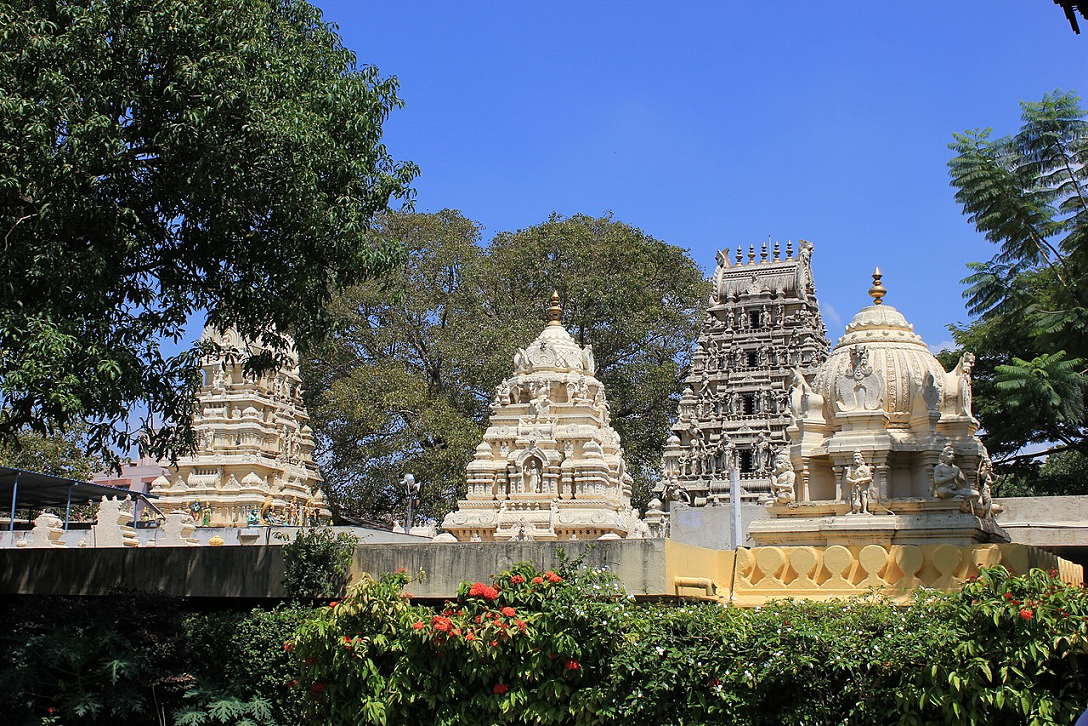
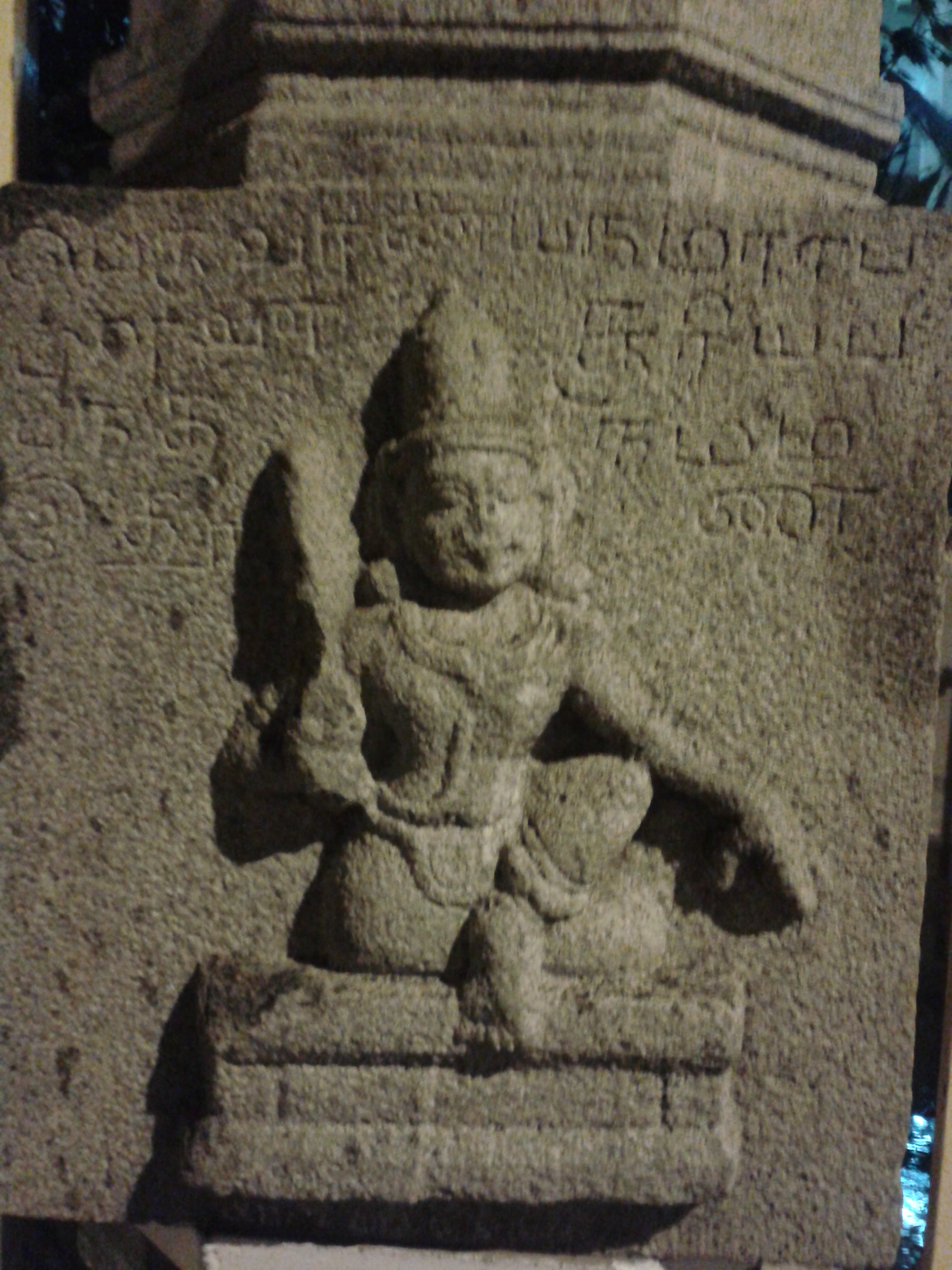
The Shani Deva Temple in Madhure is a testament to the beauty and grandeur of South Indian architecture. Built in the typical South Indian style, the temple boasts a stunning Gopura, a towering entrance gate adorned with intricate carvings and sculptures. The Gopura is a hallmark of South Indian temples, and the one at the Shani Deva Temple is no exception.

The temple’s stunning Dravidian architecture is truly mind-blowing, with countless sculptures and carvings adorning its walls and pillars. The excellent workmanship on the Gopura is particularly noteworthy, with its many intricate carvings and sculptures that are truly alluring.

The Shani Deva Temple was believed to be built by a farmer named Ganga Hanumaiah, who dedicated it to the Hindu deity Shani Deva. It is believed that the temple was built to pacify the vengeance and difficulties in one’s life. For many Hindus, visiting the Shani Deva Temple is a chance to seek peace and spiritual enlightenment, and to connect with the divine.

Popular Festivals Celebrated at the Sri Shanimahathma Temple

The Sri Shanimahathma Temple, also known as the Shani Temple, is a place of great religious and cultural significance.

Throughout the year, the temple hosts a number of festivals and events that draw devotees from all over the city. Here are two popular festivals and rituals celebrated at the temple:

1. Shani Mahadeva Chariot Procession

This annual festival is held to honour the deity Shani Deva and to seek his blessings. During the festival, a large chariot adorned with flowers and decorations is taken out in a grand procession through the streets of the city.

Devotees follow the chariot, singing devotional songs and offering prayers to Shani Deva. The chariot procession is a spectacular sight to behold, with colourful floats, music, and dance adding to the festive atmosphere.

2. Special puja for Shani Deva on every Saturdays

Every Saturday, the temple conducts a special puja (worship ceremony) for Shani Deva. Devotees flock to the temple to participate in the puja and offer their prayers to the deity.

Saturdays are considered particularly auspicious for worshipping Shani Deva, and many believers visit the temple on this day to seek his blessings.

How to reach the Shani Temple in Bengaluru?

The Shani Temple in Bengaluru is a popular destination for tourists and devotees alike. Located in the quiet neighbourhood of Chikka Madhure, the temple is easily accessible by various modes of transportation. Here’s how to reach the temple:

  • By Air: Bangalore airport is the nearest airport to Chikka Madhure. From the airport, tourists can hire a taxi or a bus to Nelemangla or directly to Chikka Madhure.
  • By Road: From Bangalore, many KSRTC buses ply towards Nelamangla. From Nelmangala, tourists can hire a bus to Doddaballapur (18km) via Chikka Madure. Alternatively, tourists can hire an auto or a taxi to reach the temple.
  • By Train: Yeshwantpur railway station and the Bangalore City railway station are the nearest railway stations. Tourists can hire a KSRTC bus to reach Chikka Madhure via Nelamangla.

Overall, reaching the Shani Temple in Bengaluru is quite convenient, with multiple transportation options available. Whether you prefer to travel by air, road, or train, you will find a convenient way to reach the temple.
Pataleshwara Temple- History, Architecture, Popular Attractions and Festivals!

Pataleshwara Temple- History, Architecture, Popular Attractions and Festivals!

Welcome to the mystical land of Talakadu, where the sand dunes whisper tales of ancient kings and the winds hum hymns of the gods.

Nestled among these sandy hills lies the Pataleshwara Temple, a masterpiece of Hoysala architecture and a testament to the devotion of its rulers. Join us as we embark on a journey through the history and beauty of this sacred site.

Not only will we discover and unveil the history and legend behind this famous temple, but also throw some light on the popular rituals, festivities and attractions that this place beholds!

Pataleshwara Temple- History

The Pataleshwara Temple in Talakadu is a testament to the rich and varied history of Karnataka. Archaeological excavations of the sand dunes at Talakadu have uncovered the remains of several temples that were built during the rule of the Gangas, Cholas, Hoysalas, Vijayanagara Kingdoms, and Wadiyar Dynasty of Mysore.

These temples, now in ruins, give us a glimpse into the grandeur and religious significance of this ancient site. The Pataleshwara Temple, in particular, is believed to have been built during the reign of King Rachamalla Satyavakya IV, who ruled from 975 CE to 986 CE. The temple was built by the Cholas, but it was extensively renovated by the Hoysalas, Vijayanagara Kingdom, and Wadiyar Dynasty of Mysore.

Each of these kingdoms left their mark on the temple, adding their own unique architectural styles and religious iconography. Today, the sand dunes of Talakadu are protected by the Karnataka state division of the Archaeological Survey of India (ASI). This ensures that the temple and its surrounding ruins are preserved for future generations to appreciate and learn from.

Visitors to the Pataleshwara Temple can marvel at the intricate carvings, sculptures, and paintings that adorn the temple walls and pillars. The temple also serves as an important place of worship for devotees, who come from far and wide to pay their respects and seek blessings!

Pataleshwara Temple- Architecture

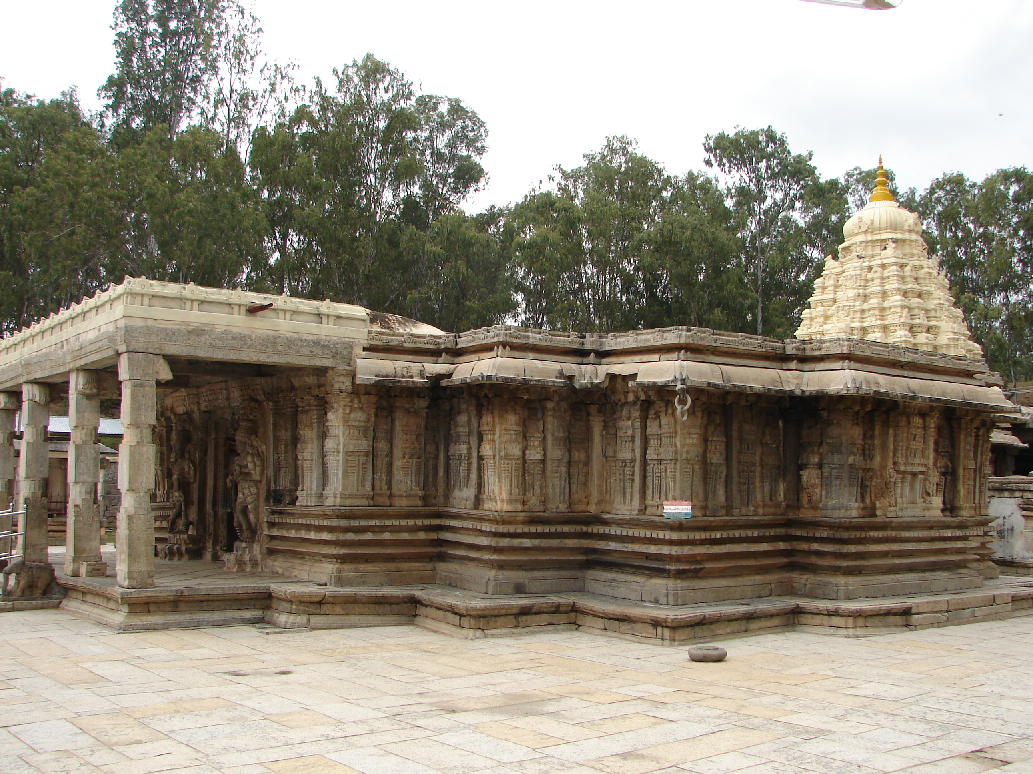
Located 20 feet below ground level and surrounded by sand dunes, the Pataleshwara Temple faces east, inviting the rising sun to cast its warm glow on its sacred walls. The temple complex consists of several structures, including a sanctum, antarala, and artha mandapam, each adorned with intricate carvings and sculptures. One of the most striking features of the Pataleshwara Temple is its mandapa pillars, which are of the Ganga order.

These pillars, known for their squat and sturdy appearance, are adorned with elaborate carvings and depict various deities and scenes from Hindu mythology. The temple’s moolavar (main deity), a Shiva lingam, is another highlight. According to legend, the moolavar changes colour from red to black and white throughout the day and night, a phenomenon that has attracted many devotees and curious visitors.

The temple has undergone several renovations and expansions over the centuries. The sanctum, for example, is constructed with jagati, trittakumuda, gala, and ryalamala, and has a pratikrama type of plinth, a style that was popular during the Chozha period. The temple’s vimana (tower) was also built more recently, adding to its grandeur.

Inside the temple, visitors can find Ganga-style sculptures of Dakshinamurthy, Vishnu, Durga, and Bairavar. This rich history and cultural heritage make the Pataleshwara Temple a truly unique and fascinating architectural marvel.

Rituals and Festivals Celebrated at the Pataleshwara Temple

The Pataleshwara Temple in Talakadu is a hub of spiritual activity, with a variety of rituals and festivals being celebrated throughout the year.

1. Maha Shivaratri

One of the most important festivals at the temple is Maha Shivaratri, which is celebrated in honour of Lord Shiva. On this day, devotees flock to the temple to offer their prayers and seek blessings from the deity.

The temple is adorned with beautiful decorations and colourful lights, and the air is filled with the sound of devotional music and chanting.

2. Karthika Purnima

Another popular festival at the Pataleshwara Temple is the Karthika Purnima, which is celebrated in honour of the Hindu god Kartikeya.

On this day, devotees perform special pujas (worship ceremonies) and offer their prayers to the deity. The temple is also adorned with beautiful decorations and lights, and the atmosphere is charged with devotion and celebration.

3. Homas, Abhishekas and Yagnas

In addition to these festivals, the Pataleshwara Temple also hosts a variety of other rituals and ceremonies throughout the year.

These include homas (fire rituals), abhishekas (ceremonial baths), and yagnas (sacrificial rituals). These rituals are an integral part of the temple’s spiritual practices, and are performed by trained priests in accordance with ancient traditions.

Popular Attractions Near the Pataleshwara Temple

The Pataleshwara Temple in Talakadu is not the only attraction worth visiting in the area. Located in the heart of Karnataka, Talakadu is surrounded by several other popular tourist destinations that are worth exploring.

1. Vaidyeshwara Temple

One such destination is the Vaidyeshwara Temple, located just a short distance from the Pataleshwara Temple. This temple is dedicated to Lord Shiva and is known for its beautiful architecture and ancient inscriptions.

Visitors to the Vaidyeshwara Temple can marvel at the intricate carvings and sculptures that adorn its walls and pillars, and learn about the temple’s rich history and cultural significance.

2. Panchalinga Darshana

Another popular attraction near Talakadu is the Panchalinga Darshana, a group of five Shiva temples located on the banks of the Cauvery River.

These temples, each dedicated to a different form of Lord Shiva, are considered to be some of the most sacred sites in Karnataka. Visitors can take a boat ride down the river to reach the temples, and experience the peaceful and serene atmosphere that surrounds them.

3. Cauvery Fishing Camp

If you’re in the mood for a more adventure, you can also visit the nearby Cauvery Fishing Camp, where you can try your hand at fishing or go on a nature walk through the lush forests and fields.

The camp is a great place to relax and unwind, and offers a variety of activities for visitors of all ages.

How can one reach the Pataleshwara Temple?

The Pataleshwara Temple in Talakadu is a popular destination for tourists and devotees alike, and is easily accessible from several major cities in Karnataka. Located about 29 kms from T Narasipura, 45 kms from Mysore, and 130 kms from Bangalore, the temple is well-connected by road and can be easily reached by bus or car.

If you’re coming from T Narasipura or Mysore, you can take a KSRTC (Karnataka State Road Transport Corporation) bus to Talakadu. These buses are available from both cities and run regularly, so you’ll have plenty of options to choose from. The journey from T Narasipura takes about an hour, while the journey from Mysore takes about two hours.

If you’re coming from Bangalore, you can also take a KSRTC bus to Talakadu. The journey takes about four hours, and there are multiple buses available throughout the day. Alternatively, you can also hire a taxi or drive to Talakadu from Bangalore, which takes about three hours by car.

Once you reach Talakadu, the Pataleshwara Temple is easy to find. It’s located in the heart of the town and is well-marked, so you can’t miss it. The temple is open every day from 9 a.m. to 7 p.m., and there is no entry fee!

Mysore Fort- History, Architecture, Popular Attractions, Visiting Times and Entry Fees!

Mysore Fort- History, Architecture, Popular Attractions, Visiting Times and Entry Fees!

Welcome to the majestic world of Mysore Fort! This historic fort, located in the heart of the city of Mysore, Karnataka, has a rich history that dates back centuries.

The fort’s behemoth architecture, with its towering walls and fine carvings, shows the skill and craftsmanship of its builders. And within its walls, there are a plethora of popular attractions that draw visitors from all over the world.

In this blog, we will delve into the history of Mysore Fort, explore its breath-taking architecture, and discover the many popular attractions that it has to offer. So, join us as we embark on a journey through the rich and fascinating history of Mysore Fort!

Mysore Fort- History

Mysore Fort, also known as the Mysore Palace, is a stunning architectural masterpiece located in the heart of Mysore, Karnataka, India. With its towering walls, grand entrance gates, and beautiful gardens, the fort has long been a symbol of the city’s rich cultural heritage and royal history. The fort’s history can be traced back to the 14th century, when it was first built as a simple mud fort by the rulers of the Vijayanagara Empire.

Over the centuries, the fort has undergone several renovations and expansions, and today, it stands as a testament to the skill and craftsmanship of the region’s artisans and builders. One of the most impressive features of the fort is its grand entrance gate, known as the Gombe Thotti, or “Dolls’ Pavilion.” This gate is adorned with intricate carvings and adorned with colourful frescoes, and serves as a fitting introduction to the beauty and grandeur that awaits inside the fort.

Inside the fort, visitors can explore a number of impressive halls and chambers, including the Durbar Hall, the Diwan-i-Am, and the Private Audience Hall. Each of these rooms is adorned with beautiful frescoes, intricate carvings, and sparkling chandeliers, offering a glimpse into the lavish lifestyle of the fort’s former residents. But the Mysore Fort is not just a place of historical importance.

It is also home to a number of cultural and religious events, including the annual Dussehra festival, which sees the fort’s walls illuminated with thousands of candles and colourful decorations. Whether you’re a history buff, a culture enthusiast, or simply looking for a stunning place to visit, the Mysore Fort is a must-see destination!

Mysore Fort- Architecture

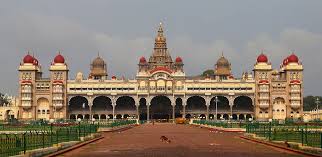
Mysore Fort is a stunning piece of architecture that is rich in history and cultural significance. Located in the city of Mysore in the southern Indian state of Karnataka, the fort is a three-storey stone structure with a 145 ft tower that showcases a blend of Indo-Saracenic, Indian, Indo-Islamic, Neo-Classical, and Gothic revival styles.

One of the most striking features of the fort is the deep pink marble stones that adorn the top of the structure, giving it a regal and majestic appearance. The design of the domes also illustrates the Indo-Saracenic style, which was popular during the late 19th century in British India and incorporates elements from various architectural styles.

The fort has three gates that lead into the compound – the East Gate, which is reserved for VIPs and is open during the Dasara festival; the South Gate, which is designated for the general public; and the West Gate, which is normally open during Dasara. In addition to these gates, the cellar of the fort contains secret tunnels that lead to several confidential areas and even to the town of Srirangapatna.

The façade of the fort is adorned with several fancy arches, with two smaller arches on either side of the central arch. This central arch is supported by long pillars and features a sculpture of Gajalakshmi, the goddess of good luck, prosperity, and wealth, with her elephants seated atop it. The fort faces the Chamundi Hills and is a testament to the devotion of the Maharajas of Mysore towards the goddess Chamundi.

In conclusion, the Mysore Fort is a stunning architectural masterpiece that combines various styles to create a unique and breath-taking structure. Its rich history and cultural significance make it a must-visit for anyone interested in Indian architecture and history.

Popular Attractions in the Mysore Fort

The Mysore Fort is a must-see destination for any traveller visiting the city of Mysore. Located in the heart of the city, the fort is home to a number of popular attractions that are sure to captivate the attention of visitors of all ages.

1. Mysore Palace

One of the most popular attractions within the Mysore Fort is the Mysore Palace. This stunning architectural masterpiece is a testament to the grandeur and opulence of the Wodeyar dynasty, which ruled over Mysore for many centuries.

The palace is adorned with intricate carvings, sparkling jewels, and colourful frescoes, making it a truly breath-taking sight to behold. Visitors can take a guided tour of the palace, learning about its history and marvelling at its ornate decorations.

2. Jaganmohan Palace

Another popular attraction within the Mysore Fort is the Jaganmohan Palace, which now serves as an art gallery.

This beautiful palace is home to a vast collection of paintings, sculptures, and other works of art that showcase the rich cultural heritage of Mysore. Visitors can spend hours exploring the galleries and admiring the various works on display.

3. Chamundeshwari Temple

The Mysore Fort is also home to a number of temples and shrines, including the famous Chamundeshwari Temple. This ancient temple is dedicated to the Hindu goddess Chamundeshwari, who is believed to be the patron deity of the Wodeyar dynasty.

Visitors can climb the steep steps to the top of the hill where the temple is located, enjoying panoramic views of the city as they go.

4. Serene garden and parks

In addition to these popular attractions, the Mysore Fort also features beautiful gardens and parks, as well as a number of small shops and stalls where visitors can purchase souvenirs and local handicrafts.

Whether you’re interested in history, art, culture, or just want to spend a relaxing day in the great outdoors, the Mysore Fort has something for everyone.

Sound & Light Show at the Mysore Fort

The Sound & Light Show at the Mysore Fort is a must-see attraction for anyone visiting the city. This unique and immersive experience combines the beauty of the Mysore Palace with the power of music and lighting to create a truly memorable experience.

The show takes place every day except for Sundays and public holidays, starting at 7:00 p.m. and lasting for 40 minutes. Visitors can purchase tickets at the entrance, with prices ranging from Rs. 40 for adults to Rs. 25 for children between the ages of 7 and 12. Foreign nationals can also enjoy the show for a slightly higher price of Rs. 200.

During the show, the Mysore Palace is illuminated in a spectacular display of lights and colours, creating a breath-taking visual spectacle. At the same time, a narrated audio tour tells the story of the Wodeyar dynasty and the history of the Mysore Fort, adding an educational element to the experience. The show is conducted in both English and Kannada, making it accessible to a wide range of visitors.

If you’re visiting Mysore, be sure to catch the Sound & Light Show at the Mysore Fort. It’s an unforgettable experience that you won’t want to miss.

Mysore Fort- Visiting Times and Entry Fees

The Mysore Fort is open for visitors every day from 10:00 a.m. to 5:30 p.m., giving you plenty of time to marvel at its intricate details and rich history.

And don’t worry about breaking the bank – admission to the fort is just Rs. 40 for adults, Rs. 20 for students between the ages of 10 and 18, and Rs. 200 for foreign nationals.

Plus, to make your visit even more convenient, the fort now offers battery-operated vehicles for tourists to take a tour of the grounds. With so much to see and do, the Mysore Fort is a must-see destination for any traveller to India!

Murudeshwara Temple- Legend, Architecture, Daily Rituals, Nearby Attractions and Temple Timings!

Murudeshwara Temple- Legend, Architecture, Daily Rituals, Nearby Attractions and Temple Timings!

The Murudeshwara Temple is a stunning temple located in the coastal town of Murudeshwara in Karnataka. It is one of India’s most famous and visited temples, with visitors coming from far and wide to experience its beauty.

The temple was built over 1000 years ago and has some incredible sculptures, paintings, and carvings that you can admire while exploring it. In this blog post, we will take an in-depth look at all things related to this magnificent temple—its history, architecture, significance, and more!

So buckle up as we explore the magical world of the Murudeshwara Temple and enlighten you about its spiritual and historical significance!

Murudeshwara Temple- History and Legend!

The Murudeshwara Temple is one of India’s most ancient and revered shrines, steeped in history and legend. It is believed to have been built by Ravana, the powerful demon king from Hindu mythology.

The story behind its construction dates back thousands of years, when Ravana wanted to obtain the Atma Linga, a divine object that granted invincibility and immortality to whoever possessed it. After much effort, he was able to ask Shiva for his wish, but with the condition that he never put it down until reaching Lanka. However, on his way back home, Ganesh and Vishnu tricked him into putting the linga on the ground so that they could save mankind from Ravana’s tyranny.

When he tried to pick up what was left of the linga due to their trickery, it shattered into pieces, scattering around India and forming sacred spots like Murudeshwar, where a part of this Atma Linga still remains to this day, along with other places like Amriteswaram in Kerala, Rameshwaram in Tamil Nādu, etc.

These stories and legends still remain today, making Murudeshwara Temple a must-visit for devotees of Lord Shiva!

Murudeshwara Temple- Architecture

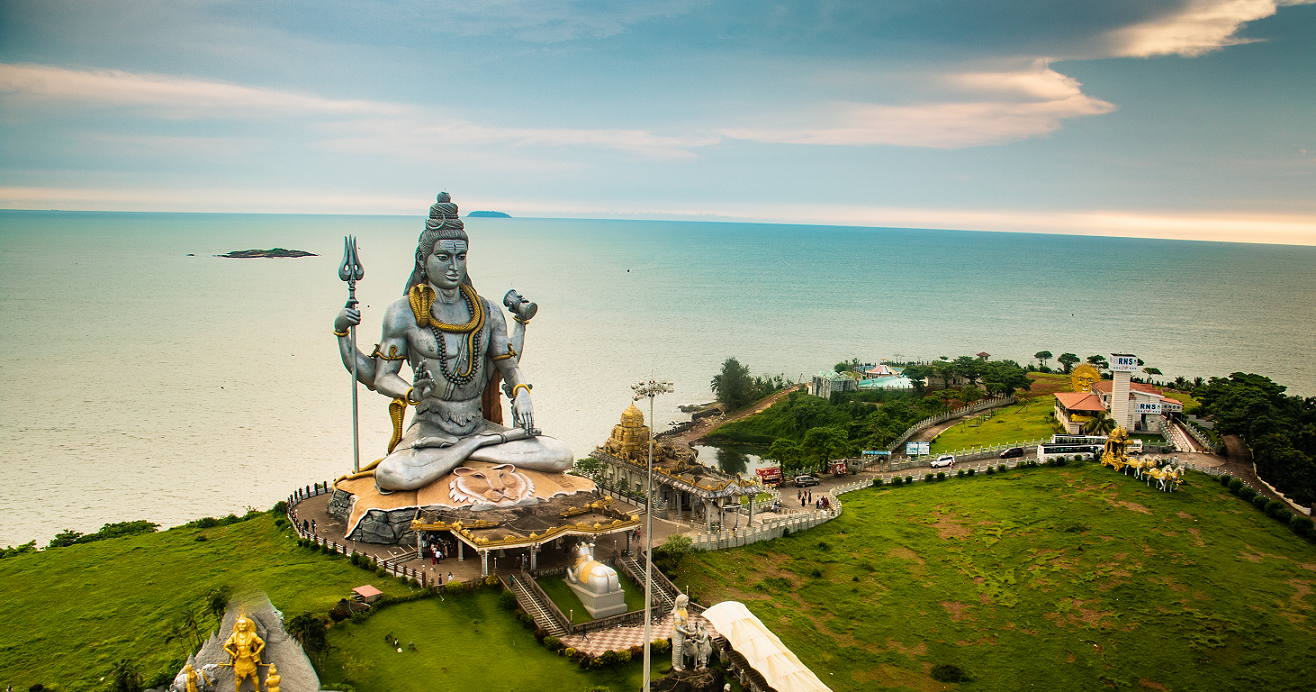
Murudeshwara Temple Karnataka Lord Shiva Mystery of India. Attraction, Timings, Nearby places, tourist spot, Beach,
Murudeshwara Temple Karnataka Lord Shiva Mystery of India. Image courtesy: Wikimedia commons

The Murudeshwara Temple is an important pilgrimage centre for devout Hindus and a marvel of architecture. It stands tall, with the world’s second-highest statue of Lord Shiva at 37 meters (121 feet).

The temple grounds are surrounded on three sides by the Arabian Sea, giving it a unique outlook that blends modernity and ancient Hindu architecture. The main entrance, called the Gopura, is 123 feet tall and has intricate details and carvings of mythological scenes all over its surface.

Despite having undergone many renovations over time, much of the compound has been modernized except for the sanctum sanctorum, which retains its original form. At its centre is the Sri Maheshvara Linga, which is thought to be part of the original Atma Linga. According to a legend, Ravana brought it with him when he became one of India’s most powerful kings after doing penance for God Shiva.

Today, this temple is known as a symbol of devotion to Lord Shiva and is visited by thousands of devotees every year. Murudeshwara Temple is an example of the grandeur that Hindu architecture once achieved in its heyday!

Pujas and Rituals at the Murudeshwara Temple

1. Rudrabhishekam

This is one of the most important daily pujas performed at the Murudeshwara Temple. It involves pouring sacred water over a Shiva linga and performing rituals in honour of Lord Shiva.

The puja lasts for about an hour, during which prayers and mantras are recited for the peace, prosperity, and well-being of all living beings on earth.

2. Panchakajjaya

Panchakajjaya is another regular ritual that takes place at this temple. During this ceremony, five different types of grains representing various gods and goddesses are offered to Lord Shiva as part of the puja ritual.

This ritual brings good luck and prosperity to those who perform it with faith.

3. Bilvarchana

Bilvarchana is a popular daily ritual at the Murudeshwara Temple. It involves offering special prayers with bilva leaves to get Lord Shiva’s blessings upon us!

4. Chandan Abhishekam

Chandan Abhishekam, also called sandalwood abhishekam, is done here on a regular basis.

During this ceremony, special sandalwood paste mixed with holy water is poured over a Shiv Linga as an offering to appease Lord Shiva’s grace toward humanity by removing any negativity from the path of life.

5. Nanda Deepa Pooja

Nanda Deepa Pooja, or “light festival,” is held once every year when hundreds gather in front of the temple to light diyas (small traditional lamps) as offerings signifying hope, prosperity, and joy.

During this time, the entire atmosphere around the temple crackles with positive energy!

6. Sarva Deva Pooja

Each year in April or May, devotees offer prayers dedicated to pleasing all gods and goddesses present in heaven and on earth alike!

A variety of fruits, flowers, and dravyas (material items like silver coins, etc.) are used while performing this pious act honoring the Almighty!

7. Annastarpana Seva

Annastarpana Seva happens each year during Makra Sankranti (the kite-flying festival), when devotees partake in the holy process of feeding thousands who come seeking blessing and sustenance from the Lord.

This grand feast serves not only people but also wild animals, birds, and even insects to reconnect everyone with nature itself!

Popular Attractions Near the Murudeshwara Temple

There are quite a lot of tourist attraction hubs near the Murudeshwara Temple. Some of these include:

1. The Murudeshwara Beach

The beautiful Murudeshwara Beach is located on India’s west coast, just a few kilometres away from Murudeshwara Temple.

It is one of the most visited tourist spots near the temple and offers breath-taking views of nature with its white sand beaches and clear blue waters. Visitors can also take part in various beach activities, such as swimming and sunbathing.

2. Gokarna Beach

A popular pilgrim town located about 80 km from Murudeshwara Temple, Gokarna is home to an array of gorgeous beaches. From the serene Om beach to Half Moon Bay, Gokarna has something for everyone.

Tourists can enjoy a variety of water sports here, like wind surfing and banana rides, or just relax at one of these picturesque sites while admiring their stunning beauty.

3. Mirjan Fort

Constructed by Queen Chennabhairadevi during the 16th century AD, Mirjan Fort stands tall as a testimony to India’s rich history, especially that of Karnataka state’s coastal region.

There are still monuments and other buildings in the fort that were built hundreds of years ago, which are worth visiting!

4. Apsara Konda Falls

Located around 40 km from Murudeshwara Temple are Apsara Konda Falls—a stunning waterfall cascading down amidst lush greenery, creating a mesmerizing atmosphere all around.

One can take a bath under this waterfall, which makes it more appealing for visitors who wish to enjoy some tranquil moments away from urban hustle and bustle. The area also offers great opportunities for photography enthusiasts looking forward to capturing some amazing shots in such natural surroundings!

Entry Fees and Temple Timings of the Murudeshwara Temple

The Murudeshwara Temple does not require any entry fees from its visitors as long as they are here for darshan and sightseeing. However, if you plan to perform specific poojas, then there may be some charges applicable for them.

As far as the temple timings go, the temple opens up at 3 a.m. every day and remains open until 1 p.m., after which it takes a two-hour break before opening again at 3 p.m. until 8 p.m. in the evening.

People who want Lord Shiva’s blessings can go to the Murudeshwara Temple between these times!

Koti Lingeshwar (Kotilingeshwara) Temple- Legend, Architecture, and Popular Festivities and Rituals!

Koti Lingeshwar (Kotilingeshwara) Temple- Legend, Architecture, and Popular Festivities and Rituals!

The Koti Lingeshwar Temple, also known as the Kotilingeshwara Temple, is a popular religious destination located in the village of Kotilingeshwara in the Karnataka state of India. The temple is dedicated to the Hindu deity Shiva and is known for its massive size and the large number of lingams (a symbol of Shiva) that can be found within its premises.

The Kotilingeshwara Temple is believed to have been built in the 11th century and has since become a major pilgrimage site for Hindus from all over the country. The temple is known for its massive size, with its main lingam standing at a height of 108 feet, making it one of the tallest Shiva lingams in the world.

So, today in this article, let’s learn more about the history of the Kotilingeshwara temple, its architecture and some of the popular festivals and rituals celebrated here!

Legend of the Kotilingeshwara Temple

The Kotilingeshwara Temple in Karnataka, India, is a place of great significance to Hindus. It is a testament to the power of faith and the transformative nature of devotion. At the heart of the temple’s legend is Bhakta Manjunatha, a Shaiva Hindu Brahmin who was once an atheist. However, a series of events in his life would eventually lead him down a path of spiritual enlightenment.

One of these events was a visit to a temple dedicated to Lord Shiva, the Hindu deity known as the destroyer and transformer. While there, Manjunatha had a profound experience that moved him deeply. In the aftermath of this visit, he felt a strong desire to atone for any past misdeeds and dedicate himself fully to the worship of Lord Shiva.

This desire took the form of a vow to create ten million lingas, which are stone or metal representations of the deity. Legend has it that Manjunatha worked hard to keep his promise and eventually made the right number of lingas. The temple that now stands at the site of this devotion is named Kotilingeshwara, which means “one crore lingas” in honor of Manjunatha’s achievement.

It’s a good way to remember how faith can change things and how strong devotion becomes over time. Today, the Kotilingeshwara Temple is a place of pilgrimage for Hindus from all over the world. It is a sign of spiritual renewal and a sign that religion has had the power to change people’s lives for the better for a long time!

The Kotilingeshwara Temple has an Impressive Architecture!

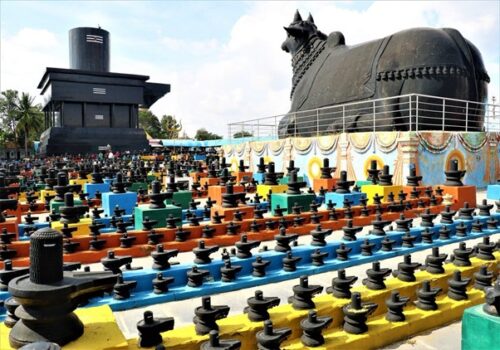
The Kotilingeshwara temple complex is home to two temples, the first of which houses the deities Brahma, Vishnu, and Maheshwara. The second temple is the main temple, and it is here that the majority of the complex’s impressive features can be found. The temple was constructed in 1980 by Swami Sambha Shiva Murthy and his wife V. Rukmini.

It originally had pancha lingas and then 101 lingas, which were later increased to 1001 Shivalingas. In 1994, a massive 108-foot Shivalinga called the “Narmada Banam” was installed at the temple. This impressive structure towers over the complex, a testament to the devotion of those who built it. In addition to the massive Shivalinga, the temple also has an idol of Lord Nandi on a platform that is 60 feet long, 40 feet wide, and 4 feet high.

This impressive statue is a sight to behold, and it serves as a reminder of the power and majesty of the Hindu deities. The temple also has a sacred Nagalinga tree, where people pray for their wishes. This tree is believed to have special powers and is a popular place for devotees to offer their prayers. The two courtyards of the temple are connected by a corridor and contain Shivalingas painted with colors.

The stunning architecture of the temple complex makes these courtyards a beautiful and peaceful place to walk around and think. Overall, the Kotilingeshwara Temple is a truly impressive place, both in terms of its architecture and the devotion of those who built it. It is a must-see for anyone interested in Hinduism and the beauty of traditional temple architecture.

Rituals and Festivals Celebrated at the Kotilingeshwara Temple

The Kotilingeshwara Temple is home to a wide array of festivities and rituals!

One of the most significant rituals celebrated at the Kotilingeshwara Temple is the Maha Shivaratri festival. This festival is held annually in honor of Lord Shiva and involves a night of fasting, prayer, and devotion. Thousands of people go to the temple every day to pray and ask the Lord for his blessings.

Another important festival celebrated at the temple is the Kartik Purnima, which falls on the full moon day of the Hindu month of Karthika. On this day, people pray to Lord Shiva and light lamps to ask for his blessings and guidance.

In addition to these major festivals, the temple also hosts a variety of other rituals and ceremonies throughout the year. These include the Anna Prasadam, a food offering made to Lord Shiva, and the Abhisheka, a ritual in which devotees pour milk and other holy substances over the lingam as an act of devotion.

How to reach the Kotilingeshwara Temple?

The Kotilingeshwara Temple is a popular destination for devotees and tourists alike, located in the town of Kolar in the Indian state of Karnataka. If you’re planning a visit to this holy site, there are several options for getting there.

  1. By Air: The nearest airport to Kolar is Bangalore Kempegowda Airport, which is located about 100 km away. From the airport, you can hire a taxi or take public transport to Kolar. The journey takes about 2.5 hours by road.
  2. By Rail: Kolar is well connected to the rail network, with trains running from Bangalore, Mangalore, Hassan, and Hubli. This is a convenient option for those coming from these cities.
  3. By Road: If you prefer to drive, Kolar can be reached by road from Bangalore in about 2 hours. The drive is a beautiful one, passing through lush green farmlands on either side of the road.

Whichever mode of transport you choose, the Kotilingeshwara Temple is easily accessible and well worth the journey. So, pack your bags and get ready to visit this holy site and experience the spiritual peace and tranquility it has to offer.

Kotilingeshwara Temple Timings

The Kotilingeshwara Temple is open seven days a week, from 7:00 a.m. to 9:30 p.m. This means you can visit the temple anytime between these hours, regardless of the day of the week. The temple is open for a total of 14.5 hours every day, giving you plenty of time to explore the temple and experience its peaceful atmosphere.

It’s worth noting that the temple may be busier at certain times of the day, particularly during the morning and evening hours when many people come to offer their prayers. If you want to avoid the crowds, it might be a good idea to visit the temple during the afternoon.

Overall, the Kotilingeshwara Temple is a wonderful place to visit and offers a unique spiritual experience. Make sure to plan your visit during the temple’s operating hours so you can fully enjoy all that it has to offer!

Kote Sri Venkataramana Swami Gudi- Legend, Architectural Significance and Rituals!

Kote Sri Venkataramana Swami Gudi- Legend, Architectural Significance and Rituals!

Nestled in the heart of the bustling city of Bangalore, the Kote Sri Venkataramana Swami temple offers a respite from the chaos of daily life. With its stunning architecture and rich history, the Kote Sri Venkataramana Swami temple is a must-visit for anyone interested in exploring the cultural and spiritual treasures of the region.

In this blog, we will delve into the history of the temple, its significance in the community, and the many ways in which it continues to inspire and uplift visitors from all walks of life. So, come along on a journey with us and discover the magic of the Kote Sri Venkataramana Swami temple!

Legend behind the Kote Sri Venkataramana Swami Gudi

The Kote Sri Venkataramana Swami temple is a beautiful and historic site that has played an important role in the cultural and spiritual life of the region for centuries. According to legend, the temple was built in 1689 by Chikka Devaraya Wodeyar, who purchased the land from the Mughals for a sum of Rupees 3 lakhs.

It was constructed around a mud fort built by Kempegowda, a chieftain under the Vijayanagara kingdom. Over the years, the temple became a favourite of Tipu Sultan, the legendary ruler of Mysore. It is said that during the 3rd Mysore war in 1791, a bullet aimed at Tipu Sultan by the British army hit the temple’s Garuda Gambha (pillar) and saved his life.

The history of the Kote Sri Venkataramana Swami temple has been documented in great detail by historian Yashaswini Sharma. This report provides a fascinating insight into the temple’s rich history and the many ways in which it has impacted the lives of those who have visited it over the years.

From its humble beginnings as a mud fort, the Kote Sri Venkataramana Swami temple has evolved into a stunning and significant site that continues to attract visitors from all over the world. Its rich history and beautiful architecture make it a must-see destination for anyone interested in exploring the cultural and spiritual treasures of the region.

The Breath-Taking Architecture of the Kote Sri Venkataramana Swami Gudi

The Kote Sri Venkataramana Swami Gudi temple is a true architectural masterpiece that combines beauty and functionality in a way that is truly breath-taking. From its humble beginnings as a mud fort, the temple has evolved into a stunning structure that serves as a spiritual and cultural hub for the community.

At the heart of the temple is the sanctum, or garbhagriha, which is connected to a central hall, or mantapa, by a vestibule. Apart from a row of deity sculptures at the base, the walls of the sanctum and vestibule are relatively bare. Though the decorative work is modest compared to other temples built during that period, it exudes a quiet beauty that is truly captivating.

The hall’s ceiling is held up by alternating pillars with yalis. These pillars add a touch of whimsy to the temple’s architecture and contribute to its overall charm. The main deity of the temple is, of course, Lord Venkataramana Swamy, and there are separate sannidhis, or shrines, for Goddess Padmavathi, the Lord’s consort, and Lord Hanuman.

The temple also features a beautiful brindavanam, or courtyard, which is adorned with carvings of animals and scenes from Hindu mythological stories. In addition to these stunning features, the temple also has a hall for devotees to conduct poojas.

Rituals offered at the Kote Sri Venkataramana Swami Gudi

The Kote Sri Venkataramana Swami temple is a place of great spiritual significance for the community, and as such, it is a hub of religious activity and rituals.

From early morning puja (worship) to elaborate festivals and ceremonies, the temple is a vibrant and bustling place that is alive with the sounds of prayer and devotion.

1. Daily puja

One of the most popular rituals offered at the temple is the daily puja, which takes place every morning and evening.

During this time, devotees come to the temple to offer their prayers and offerings to the deities. These rituals often involve the chanting of mantras, the lighting of incense and lamps, and the presentation of flowers and other offerings.

2. Distribution of prasad on popular festivals

In addition to the daily puja, the temple also hosts a number of more elaborate festivals and ceremonies throughout the year.

These events are typically marked by the performance of special rituals, the distribution of prasad (blessed food), and the participation of large numbers of devotees. Some of the most popular festivals celebrated at the temple include Navaratri, Deepavali, and Sri Rama Navami.

3. Abhisheka ceremony

Another important ritual offered at the temple is the abhisheka, a purification ceremony in which the deity is bathed with water, milk, and other sacred substances.

This ritual is believed to have the power to cleanse the mind and body of the devotee, and it is an essential part of many Hindu religious practices.

Kote Sri Venkataramana Swami Temple Timings

The Kote Sri Venkataramana Swami Temple is a bustling hub of spiritual activity, and it is open seven days a week to accommodate the needs of the community. Located at 39, Krishna Rajendra Rd., Kalasipalya, Bengaluru, Karnataka 560002, India, the temple is easy to access and is a popular destination for devotees and visitors alike.

The temple is open on Saturday to Thursday from 8 a.m. to 12 p.m., and again from 6 p.m. to 8:30 p.m. On Friday, the temple is open from 8 a.m. to 12 p.m., and again from 6 p.m. to 8:00 p.m. These hours allow plenty of time for devotees to visit the temple, participate in rituals and ceremonies, and spend time in contemplation and prayer.

Whether you are an early riser or prefer to visit the temple later in the day, there is sure to be a time that is convenient for you to come and experience the peace and tranquility of this beautiful place. So, if you are in the area, be sure to drop by and soak up the spiritual energy of the Kote Sri Venkataramana Swami Temple!

Kittur Chennamma Fort- History, Architecture, Significance and Popular Attractions!

Kittur Chennamma Fort- History, Architecture, Significance and Popular Attractions!

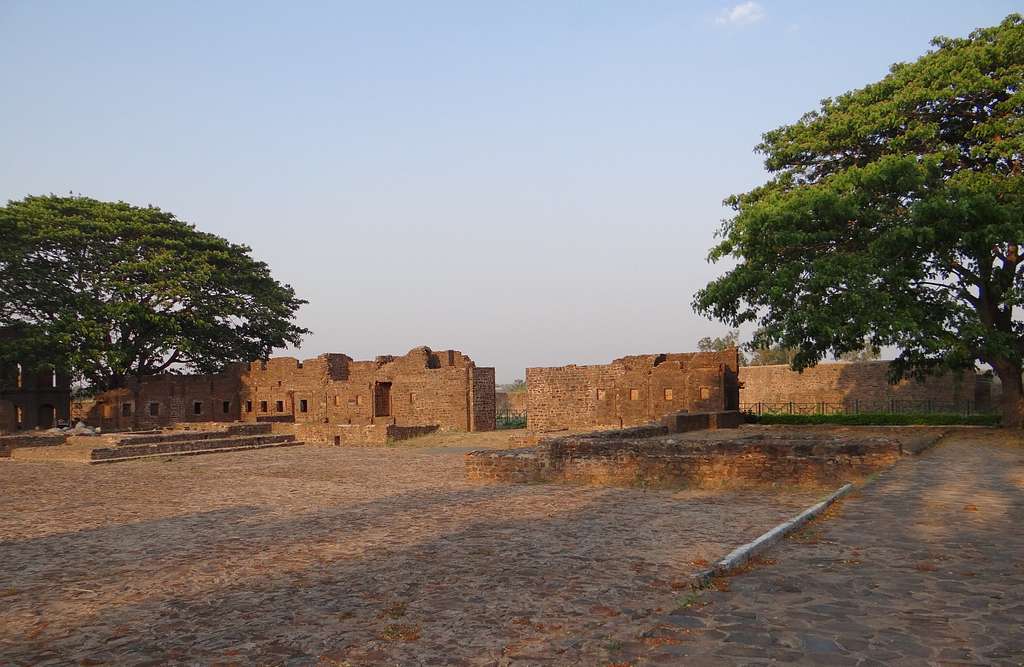
The Kittur Chennamma Fort is a historical fort located in the town of Kittur, near Belagavi, Karnataka. It has been an important symbol of the region’s history and culture for centuries.

This blog will tell you all about this grand fort and the various aspects that make it such an important part of Indian history. From its architecture to its historical significance, we’ll cover everything you need to know about Kittur Chennamma Fort!

Kittur Chennamma Fort- History

The Kittur Chennamma Fort is an important landmark in India’s history. It was the site of a brave fight by Rani Chennamma against the British forces in 1824, 33 years before Indians launched their first battle for independence in 1857. The fort and its surrounding area were seized by the English on December 5th, 1824, but it stands today as an inspiring symbol of courage and pride amongst Indian women.

Rani Chennamma was a well-respected ruler from Kittur who refused to submit to British authority or surrender her fort when asked. This led to a lengthy resistance where she fought valiantly against superior forces with limited resources at her disposal. Even though the odds were against her, she stayed until help came from other parts of India. This forced the British to leave Kittur Fort!

This event resonates throughout India even today, as people remember it fondly as one of the earliest attempts at freedom from colonial rule and respect Rani Chennamma’s bravery in defending her kingdom and its people despite the immense personal risks involved.

Near the entrance gate of Kittur Fort is a statue of Rani Chennamma. This statue not only reminds every Indian of our fight for independence but also honours Rani Chennamma’s unbreakable spirit and courage, which will stay in our minds forever!

Kittur Chennamma Fort- Architecture

The Kittur Chennamma Fort is famous for being the site of a fight between the British and Rani Chennamma, a Lingayat woman warrior, during Allapa Gowda Sardesai’s reign (1660-1691). The fort, which spans 23 acres and was built with black basalt rock, has a trench encircling its perimeters that used to receive water from a nearby lake.

The fort complex consists of various buildings, such as the watch tower, Kittur palace, an archaeological museum, along with several water reservoirs. The palace inside follows a Peshwa-Islamic architectural pattern, having three floors with many rooms. Several sculptures adorn the inner walls, giving insight into the local culture while depicting everyday life activities like kids playing games near trees, etc.

The Kittur Chennamma Fort is known not only for its connection to Rani Chennamma, but also for its beautiful architecture, which shows how art and architecture can stand the test of time.

The Significance of Kittur Chennamma Fort in Indian Culture!

The Kittur Chennamma Fort is considered one of the most important sites of Indian culture and heritage. Queen Kittur Chennamma built the fort in 1824 AD, and it served as her royal residence until she died in 1829. The palace within the fort has been restored to its former glory, with intricate carvings on the walls that still stand today.

Kittur Chennamma’s legacy lives on even 200 years after she died fighting for freedom from British rule during the Third Anglo-Maratha War. She was a brave ruler who fought against injustice and tyranny and led an army of 20,000 men into battle against British forces at Kittur Fort, along with Sangolli Rayanna, another leader who fought alongside her.

Her courage and dedication to fight for what she believed was right have become synonymous with bravery across India and beyond—a trait many Indians aspire to have today! Her story continues to be retold through books, films, songs, plays, etc., inspiring people everywhere to be brave and determined to accomplish their goals, no matter how big or small they may seem!

The Kittur Chenna Fort is more than just a reminder of India’s glorious past. It is also a symbol of our shared history of fighting against oppression and tyranny and a reminder that we can make big changes when we all work together.

Popular Attractions at the Kittur Chennamma Fort

1. Rani Chennamma Circle

The Rani Chennamma Circle is the main attraction at the Kittur Fort. It is a large open area with majestic monuments dedicated to the legendary Queen Rani Chennamma, who fought against British rule in India.

Every year, a fair is held here, and it has also become popular among tourists as an ideal place for a picnic.

2. The Fort Museum

This museum displays artifacts that were used during the reign of Queen Rani Chenamma and her successors.

It houses paintings of ancient rulers and their lives, sculptures made of stone and bronze, weapons and coins from different regions, and jewelry sets that belonged to Queen Rani Chennamma, all of which make it an interesting spot inside the fort.

3. Kittur Fort Palace

This palace was built by King Mallasarja Nayaka in the 16th century as his summer retreat. Its architecture reflects both Chalukyan style temple sculpture and regional architectural styles like Indo-Sarcenic style elements blended into one structure, illustrating the artistry of artisans of those times.

The palace contains several structures, such as an audience hall, the queen’s private chamber, prison cells, and so on, which provide visitors with insights into the royal lifestyle at the time.

4. Kittur Fort temples

In addition to palaces, Kittur Fort has several small temples worth looking at when you visit this historical site.

Inside the fort, you can see temples for Indian deities such as Lord Shiva, Ganesh, Maruthi, and a few other shrines with old scriptures carved on the walls. These scriptures look like medieval art because they were built when different dynasties ruled the area.

How to reach the Kittur Chennamma Fort?

The Kittur Chennamma Fort is a must-visit destination for any traveller visiting Karnataka. It lies on the Pune-Bangalore Highway and is well connected to Belgaum and Dharwad, with various transport options.

The nearest airport in Belgaum has regular flights to major cities like Bangalore and Chennai, making it an ideal starting point for your journey. Tourists can also opt for the rail route by reaching the nearest railway station at Dharwad, where they can hire taxis or local vehicles to reach Kittur.

Furthermore, various buses from cities like Bangalore, Goa, Mumbai, Belgaum, and Dharwad connect Kittur directly, making it easier for people to travel from nearby areas. One can also choose to travel in comfort by hiring private taxis or cars that travel to this area often.

Once you have reached the fort, it is open every day from 9:30 a.m. to 5:30 p.m., which provides enough time to explore this historical place peacefully without much rush or the hustle and bustle around you. So make sure you add this historical marvel to your itinerary!

Domlur Chokkanathaswamy Temple- History, Presence of Pranic Energy, Festivals and Temple Timings!

Welcome to our blog post about the beautiful and historic Domlur Chokkanathaswamy Temple!

Located in the heart of the city of Bangalore, this temple is a must-see destination for anyone interested in the rich cultural and spiritual history of India. Built in the 11th century, the temple is dedicated to the deity Chokkanathaswamy, a form of Lord Shiva, and is known for its stunning architecture and peaceful atmosphere.

In this post, we’ll take a closer look at the history and significance of the Domlur Chokkanathaswamy Temple, as well as what visitors can expect when they visit this sacred site. So join us as we explore one of Bangalore’s most beloved landmarks!

Domlur Chokkanathaswamy Temple- History

The Domlur Chokkanathaswamy Temple has a long and storied history dating back to the 11th century. According to legend, the temple was built by the Cholas, a powerful South Indian dynasty that ruled over much of the region during this time. The Cholas were known for their support of the arts and their patronage of temple construction, and the Domlur Chokkanathaswamy Temple is a testament to their cultural and spiritual contributions.

Over the centuries, the temple has undergone several renovations and expansions, each adding its own unique flair to the structure. The temple’s architecture is a blend of Chola and Hoysala styles, with intricate carvings and sculptures adorning the walls and pillars. Visitors can also see elements of Vijayanagara and Dravidian styles, reflecting the temple’s evolution and adaptation over time.

In addition to its architectural beauty, the Domlur Chokkanathaswamy Temple is also significant for its spiritual significance. Devotees come from far and wide to pay their respects to Chokkanathaswamy and seek blessings from the deity. The temple is also a popular venue for religious festivals and ceremonies, which attract large crowds and add to the temple’s lively atmosphere.

Despite the many changes and challenges it has faced, the Domlur Chokkanathaswamy Temple remains an important and beloved part of Bangalore’s cultural and spiritual landscape. Its rich history and enduring presence make it a must-see destination for anyone interested in the city’s past and present.

Presence of Pranic (Cosmic) Energy at the Domlur Chokkanathaswamy Temple!

Some people believe that the presence of pranic energy is particularly strong at the Domlur Chokkanathaswamy Temple, making it a powerful place for spiritual transformation and healing. Devotees who visit the temple often report feeling a sense of peace and clarity after spending time there, and many attribute this to the presence of pranic energy.

But what is it about the Domlur Chokkanathaswamy Temple that makes it such a special place? Some people believe that the temple’s location, surrounded by natural beauty and peaceful surroundings, plays a role in the presence of pranic energy. Others point to the temple’s ancient origins and the many centuries of devotion and spiritual practice that have taken place within its walls.

Regardless of the reason, it is clear that the Domlur Chokkanathaswamy Temple holds a special place in the hearts and minds of many people. Whether you are seeking spiritual enlightenment, inner peace, or simply a sense of connection to something greater, a visit to the temple may be just what you need!

Popular Festivals and Rituals at the Domlur Chokkanathaswamy Temple

The Domlur Chokkanathaswamy Temple is a vibrant and lively place, especially during the many festivals and rituals that take place throughout the year.

These events are a chance for devotees to come together and celebrate their faith, as well as an opportunity for visitors to experience the rich cultural traditions of the region.

1. Maha Shivaratri

One of the most popular festivals at the Domlur Chokkanathaswamy Temple is Maha Shivaratri, a celebration of Lord Shiva.

This festival, which takes place in the month of February or March, is a time of fasting, prayer, and devotion for Shiva devotees. The temple is filled with the sound of chanting and the aroma of incense, as devotees offer their prayers and seek blessings from the deity.

2. Navaratri

Other popular festivals at the Domlur Chokkanathaswamy Temple include Navaratri, a nine-day festival honouring the goddess Durga, and Karthik Purnima, a celebration of the full moon in the month of November.

These festivals are marked by special rituals, music and dance performances, and other cultural activities.

3. Weddings and baby blessing ceremonies

In addition to festivals, the Domlur Chokkanathaswamy Temple is also a place where many other rituals and ceremonies take place.

These can include weddings, baby blessings, and other important life events, as well as daily puja (worship) ceremonies that are open to all.

No matter when you visit the Domlur Chokkanathaswamy Temple, you are sure to find a sense of community and celebration among the devotees. These festivals and rituals are an integral part of the temple’s rich cultural and spiritual heritage, and are an unforgettable experience for all who participate.

Domlur Chokkanathaswamy Temple- Location and Temple Timings!

Placed at the centre of Bangalore, the Domlur Chokkanathaswamy Temple is easily accessible from many parts of the city. The temple is situated in the Indiranagar neighbourhood, in the BDA Colony area, near the village of Domlur. This central location makes it a convenient destination for both locals and tourists.

The temple is open to visitors throughout the week, with different timings on different days.

  • On Saturdays, the temple is open from 6 a.m. to 12:30 p.m., and again from 5:45 p.m. to 8:30 p.m.
  • On Sundays, the temple is open from 6 a.m. to 12:30 p.m., and again from 5:45 p.m. to 8:30 p.m.
  • On weekdays, the temple is open from 6 a.m. to 12:30 p.m., and from 5:45 p.m. to 8:30 p.m. in the evening, with the exception of Wednesday, when it is open only in the evening!


The Bottom Line

So, whether you are a devout follower or simply curious about this beautiful and historic temple, there is always a good time to visit the Domlur Chokkanathaswamy Temple.

The peaceful atmosphere and stunning architecture make it a must-see destination for anyone interested in the cultural and spiritual traditions of India!

Chitradurga Fort- History, Architecture, Temples, Tourist Attractions and Visiting Times!

Welcome to our blog on Chitradurga Fort, a majestic stronghold that has stood the test of time in the heart of Karnataka, India.

With a history dating back to the Paleolithic era, this fort has witnessed the rise and fall of several empires and has been a testament to the region’s rich cultural and archaeological significance.

In this blog, we will delve into the history of the fort, explore its archaeological importance, and highlight some of the popular attractions that draw visitors from all over the world. So, join us as we journey back in time and discover the fascinating stories and secrets of Chitradurga Fort!

Chitradurga Fort- History

Nestled in the rolling hills of the Deccan plateau, Chitradurga Fort has stood tall for centuries, guarding the city of Chitradurga and its surrounding region. But its history stretches back much further than its current form. In fact, evidence suggests that the fort has been in use since the Paleolithic era, with ancient rock paintings and artifacts discovered within its walls.

As the centuries passed, the fort played host to a variety of empires and dynasties. It was a strategic stronghold for the Chalukyas in the 6th century, and later came under the control of the Rashtrakutas and the Hoysalas. In the 13th century, it was captured by the rulers of the Vijayanagara Empire, who made significant renovations and additions to the fort, including the construction of a number of temples and other buildings.

But it was during the rule of the Nayakas in the 18th century that the fort reached its peak of prominence. Under the leadership of Madakari Nayaka, the fort was fortified with several layers of walls and defensive structures, making it virtually impregnable to attacks. It was during this time that the fort earned its reputation as a formidable fortress, and it continued to serve as a military stronghold until the late 19th century.

Today, Chitradurga Fort stands as a testament to the rich history of the region and the many cultures and empires that have left their mark on its walls. Its ancient walls and structures continue to fascinate visitors from all over the world, who come to explore its winding corridors, secret passages, and hidden chambers, and to learn more about the fascinating stories and legends that have been passed down through the ages!

Chitradurga Fort- Architecture

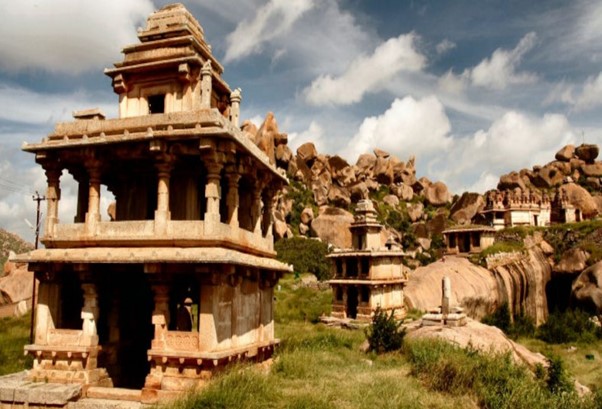
Chitradurga Fort Image Courtesy: wikimedia commons

The Chitradurga Fort is a marvel of military engineering, with a complex and intricate design that has stood the test of time. Built on a rocky hill, the fort is surrounded by seven concentric walls, each with its own moat and gate, creating a series of defensive barriers that were virtually impregnable to attackers.

At the heart of the fort is the citadel, which contains a number of important buildings and structures, including temples, halls, and residential quarters. The most prominent of these is the Hidimbeshwara Temple, a beautifully crafted temple dedicated to the Hindu god Shiva. Other notable structures within the citadel include the Jaina Basti, a group of Jain temples, and the Kallina Kote, a massive stone fortress that served as the military headquarters of the Nayaka rulers.

But the fort is not just a collection of buildings and walls. It is also a work of art, with intricate carvings and sculptures adorning its walls and gates. One of the most famous of these is the “Old Fort Wall,” a massive stone wall that is adorned with intricate carvings of elephants, horses, and other animals. Another popular attraction is the “Chainwall,” a massive stone wall that was used to defend the fort against attacks.

In short, the Chitradurga Fort proves the skill and ingenuity of its builders and the enduring power of its architecture. Its complex design and beautiful craftsmanship have made it a popular destination for tourists and history buffs alike, and it continues to stand as a symbol of the region’s rich cultural and architectural heritage.


The Chitradurga Fort houses several temples!


Apart from being a strong military foothold, the Chitradurga Fort is also home to a number of beautiful and historic temples. These temples, which range in age from the 13th to the 19th century, are an integral part of the fort’s cultural and spiritual significance and are a testament to the rich religious heritage of the region.

One of the most popular temples within the fort is the Hidimbeshwara Temple, a beautifully crafted temple dedicated to the Hindu god Shiva. Built in the 18th century, this temple is known for its intricate carvings and sculptures and is a popular destination for devotees and tourists alike.

Other notable temples within the fort include the Ekanathamma Temple, a small but beautifully decorated temple dedicated to the goddess Ekanathamma, and the Phalguneshvara Temple, a temple dedicated to the god Shiva. There is also the Gopalakrishna Temple, which is dedicated to the god Krishna, and the Anjaneya Temple, which is dedicated to the monkey god Hanuman.

In addition to these temples, the fort also houses the Sampige Siddheshwara Temple, a temple dedicated to the god Siddheshwara, and the Subbaraya Temple, which is dedicated to the god Subramanya. And, for those interested in the spiritual traditions of the Jain community, there is the Basava Temple, a temple dedicated to the Jain saint Basava!


Popular Tourist Attractions inside the Chitradurga Fort


The Chitradurga Fort is home to a number of popular attractions that draw visitors from all over the world. From ancient temples and rock-cut caves to modern dams and reservoirs, there is something for everyone at this historic site.


1. Onake Obavvana Kindi


One of the most popular attractions within the fort is the Onake Obavvana Kindi, an ancient rock-cut cave that is believed to have been used by the Jain monks as a place of meditation and contemplation.

This cave, which is adorned with intricate carvings and sculptures, offers a unique glimpse into the region’s spiritual and cultural heritage and is a must-see for any visitor to the fort.


2. Davanagere


Another popular attraction is the Davanagere, a large and beautiful lake that is surrounded by gardens and parks.

This lake, which is home to a variety of birds and other wildlife, is a popular destination for picnics, boating, and other recreational activities.


3. The Vani Vilas Sagar Dam


For those interested in modern engineering and technology, the Vani Vilas Sagar Dam is a must-see. Located on the outskirts of the fort, this dam is a marvel of modern engineering, with its massive concrete walls and towering gates.

It is a popular destination for tourists and locals alike, and offers beautiful views of the surrounding landscape.


4. Ankali Matt – Chandravalli Caves


Finally, there is the Ankali Matt – Chandravalli Caves, a series of ancient rock-cut caves that are believed to have been used by the Buddhists as a place of worship and meditation.

These caves, which are adorned with beautiful carvings and sculptures, offer a unique glimpse into the region’s spiritual and cultural history and are a must-see for any visitor to the fort.


How to reach the Chitradurga Fort and what are the visiting times?


If you are planning a visit to the Chitradurga Fort, there are a few things you should know about how to get there and what to expect during your visit.

First and foremost, Chitradurga is located about 200 kms from Bengaluru, the capital city of Karnataka, India. The easiest way to get to Chitradurga is by air, and the closest airport is Vidyanagar airport in Bellary, which is about 140 kms away.

However, many visitors choose to fly into Bengaluru airport, which is about 225 kms away, due to the higher number of flights available. From either airport, you can rent a car or take a bus or train to Chitradurga.

Once you arrive in Chitradurga, the fort is easy to access and is located less than two kms from the city centre. It is open from 6:00 a.m. to 6:00 p.m. on all days, and there are certified guides available near the entrance who can be hired to give a guided tour and provide more information about the fort’s historic importance.

Overall, Chitradurga Fort is a must-see destination for anyone interested in history, archaeology, or culture, and it is easy to get to and explore. So, if you are planning a trip to Karnataka, be sure to add the Chitradurga Fort to your itinerary. You won’t be disappointed!

Chamundeshwari Temple- History, Legend, Significance and Popular Rituals!

Welcome to the Chamundeshwari Temple, a stunning architectural marvel nestled atop the Chamundi Hills in Mysore, Karnataka. With a history dating back to the 12th century, the temple has long been a sacred site for Hindus and a popular tourist destination.

The temple is dedicated to the goddess Chamundeshwari, a form of the Hindu goddess Durga, and is known for its ornate carvings, intricate frescoes, and impressive gopurams (towering gateways). But the Chamundeshwari Temple is not just a beautiful building; it is also a place of rich legend and tradition, with a host of rituals and festivals that attract worshippers and visitors from all over India.

In this blog post, we will delve into the history, architecture, legend, rituals, and festivals of the Chamundeshwari Temple, offering a comprehensive guide to this fascinating and important religious site.

The History and Legend behind Chamundeshwari Temple

The Chamundeshwari Temple has a long and storied history that stretches back to the 12th century. According to legend, the temple was built by the Hoysala King Vishnuvardhana in the 12th century to honour the goddess Chamundeshwari, a form of the Hindu goddess Durga. The temple is named after the goddess, who is believed to have protected the kingdom from invaders and other threats.

The legend of the Chamundeshwari Temple is closely tied to the history of the Mysore region. The temple is located on the Chamundi Hills, which are said to be named after the goddess herself. The hills are a popular tourist destination, with a number of other temples and attractions located on their slopes.

Despite its ancient origins, the Chamundeshwari Temple has undergone a number of renovations and expansions over the centuries. The temple was destroyed by invaders several times and was subsequently rebuilt, with each new version of the temple incorporating new architectural styles and features. Today, the temple is a testament to the rich cultural history of the Mysore region and an important religious site for Hindus.

Architecture of the Chamundeshwari Temple

The Chamundeshwari Temple is a stunning architectural marvel that is sure to take your breath away. Located atop the Chamundi Hills in Mysore, Karnataka, the temple is a testament to the skill and ingenuity of ancient Indian architects.

The temple is built in the Dravidian style, a type of architecture that is characterized by its elaborate sculptures, ornate carvings, and towering gopurams (gateway towers). The Chamundeshwari Temple boasts all of these features and more, making it a true architectural wonder.

One of the most striking features of the Chamundeshwari Temple is its main gopuram, which stands at a staggering 40 feet tall. The gopuram is adorned with intricate carvings and frescoes that depict scenes from Hindu mythology. As you approach the temple, your eyes will be drawn upwards towards this towering gateway, which serves as the entrance to the temple complex.

Inside the temple, you will find a number of other architectural wonders. The main sanctum sanctorum is a spacious chamber that houses the idol of the goddess Chamundeshwari. The idol is made of gold and is adorned with precious stones and other decorations. The walls of the sanctum sanctorum are also adorned with frescoes and carvings, adding to the overall splendour of the temple.

In addition to the main sanctum sanctorum, the Chamundeshwari Temple also has a number of smaller shrines and halls that are dedicated to other deities. These shrines are also richly decorated and offer a glimpse into the history and culture of the Mysore region.

Religious Significance of Goddess Chamundeshwari

The Chamundeshwari Temple is a sacred site for Hindus, who come from all over India to pay their respects to the goddess Chamundeshwari. But who is this goddess, and why is she so important to Hindus?

Chamundeshwari is a form of the Hindu goddess Durga, who is revered as a symbol of power and protection. According to Hindu mythology, Durga is the consort of Shiva, one of the most important deities in the Hindu pantheon. She is often depicted as a warrior goddess, riding a lion or tiger into battle and wielding weapons to protect her followers.

The goddess Chamundeshwari is believed to have a special connection to the Mysore region and the Chamundi Hills. According to legend, she protected the kingdom from invaders and other threats, earning her a special place in the hearts of the people.

For Hindus, the goddess Chamundeshwari is a symbol of hope and protection. She is believed to answer the prayers of her devotees and offer guidance and support in times of need. Many Hindus visit the Chamundeshwari Temple to offer prayers and offerings to the goddess, hoping to receive her blessings.

Chamundeshwari Temple Chamundi Hills in Mysore, Karnataka
Courtesy:: Internet

Some Popular Festivals and Rituals Celebrated at the Chamundeshwari Temple

The Chamundeshwari Temple is a place of rich tradition and devotion, with a host of festivals and rituals that attract worshippers and visitors from all over India. Here are just a few of the popular festivals and rituals celebrated at the temple:

  1. Navaratri: Navaratri is a nine-day festival that is celebrated across India in honour of the goddess Durga. At the Chamundeshwari Temple, this festival is marked by a series of puja (prayer) ceremonies, as well as cultural events such as music and dance performances.
  1. Dussehra: Dussehra is a major Hindu festival that is celebrated across India to mark the victory of good over evil. At the Chamundeshwari Temple, Dussehra is celebrated with special puja ceremonies and cultural events.
  1. Karaga: Karaga is a festival that is celebrated annually at the Chamundeshwari Temple. During the festival, a special puja is performed in honour of the goddess Chamundeshwari, and a procession is held through the streets of Mysore.
  1. Abhisheka: Abhisheka is a ritual in which the deity is bathed with water, milk, and other offerings. At the Chamundeshwari Temple, this ritual is performed on a regular basis as a way to show devotion and seek the blessings of the goddess.

Chamundeshwari Temple Timings

The Chamundeshwari Temple is a bustling hub of activity, with worshippers and visitors coming and going at all hours of the day. If you are planning a visit to the temple, it is important to know the timings so you can make the most of your visit.

The Chamundeshwari Temple is open to visitors every day from 7:30 a.m. to 2 p.m., 3:30 p.m. to 6 p.m., and 7:30 p.m. to 9 p.m.. These timings allow you to visit the temple at different times of the day and experience the changing moods and ambiance of the temple.

  • During the morning hours, the temple is a quiet and peaceful place, with worshippers performing puja (prayers) and making offerings to the deity. The early morning hours are a great time to visit the temple if you want to experience the tranquility and spirituality of the place.
  • In the afternoon, the temple becomes more crowded as tourists and worshippers flock to the temple. The afternoon is a great time to visit the temple if you want to see the temple at its busiest and most vibrant.
  • In the evening, the temple takes on a more serene and peaceful atmosphere. As the sun sets, the temple is illuminated by the soft glow of lamps and candles, creating a beautiful and atmospheric atmosphere. The evening hours are a great time to visit the temple if you want to experience the peaceful and contemplative side of the temple.

No matter what time of day you visit the Chamundeshwari Temple, you are sure to be struck by its beauty and spiritual significance!